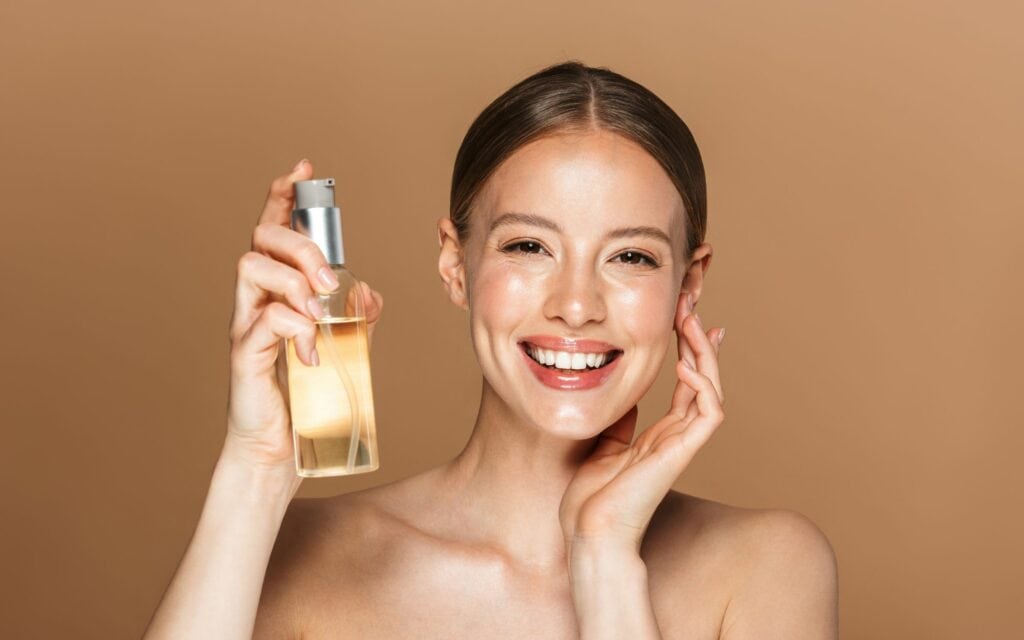

Welcome to The Derm Spot, your trusted source for dermatology and skin care advice. If you’re hunting for the best hair products for damaged hair and feeling overwhelmed by choices, you’re not alone. Is your hair snapping after a bleach session? Fluffy and frizzy from daily heat? Or just flat and dull no matter what you try? This guide zeroes in on what actually works in 2026, what your hair needs, which formulas to pick for your texture, and how to build a routine that restores strength, shine, and elasticity without weighing you down.
What Counts As Damage And What Your Hair Actually Needs
Types Of Damage: Chemical, Heat, Mechanical, And Environmental
Damage is cumulative, and it adds up faster than you think.
- Chemical: color, bleach, perms, relaxers, these break disulfide bonds, leaving the cortex vulnerable.
- Heat: frequent 350–450°F tools cause bubble hair, cuticle lifting, and internal moisture loss.
- Mechanical: rough towel-drying, tight elastics, aggressive brushing on wet hair.
- Environmental: UV exposure, hard water, chlorine/saltwater, pollution, these oxidize pigments and erode lipids.
Repair Vs. Moisture Vs. Strength: How To Balance
Your hair needs three things in proportion:
- Repair (bond-building/peptide tech) to reconnect or reinforce internal structure.
- Moisture (humectants + lipids) to keep the fiber flexible and prevent snap.
- Strength (proteins/amino acids) to add temporary scaffolding.
If your hair feels straw-like and tangles, you’re likely moisture-poor. If it stretches like taffy and doesn’t bounce back, you need strength/repair. If it’s stiff or brittle after a protein mask, soften with lipids and humectants for a week, then reintroduce proteins lightly.
Ingredients That Work In 2026: Bond Builders, Peptides, Ceramides, And Oils
- Bond builders: next-gen malic/succinic acid–based systems, cysteic acid-targeting actives, and carbonate ester tech help reinforce broken sulfur bridges.
- Peptides: biomimetic keratin fragments and copper tripeptide-1 signal repair and improve tensile strength.
- Ceramides: ceramide NP/EOP + cholesterol + fatty acids rebuild the cuticle’s lipid barrier and reduce porosity. Explore more in our [skincare ingredients A to Z] category.
- Humectants: glycerin, propanediol, hyaluronic acid, great when paired with occlusives.
- Oils: penetrating (coconut, olive) reduce protein loss: sealing (argan, jojoba) smooth and add shine without heavy penetration.
- Film-formers: PVP/VA copolymers, polyquaterniums, and modern silicones (e.g., amodimethicone) protect during styling and limit water-swelling cycles.
How To Choose Products For Your Hair Type And Damage Level
Fine Or Thinning Hair: Lightweight Repair Without Collapse
- Prioritize water-light bond builders, hydrolyzed proteins (silk, wheat) under 2%, and mist leave-ins.
- Choose low-residue silicones (amodimethicone + trideceth-12) or silicone-free film-formers.
- Use featherweight conditioners with ceramides and betaine: avoid heavy butters.
Thick, Coarse, Or Coily Hair: Deep Moisture With Structural Support
- Look for rich masks with ceramide-cholesterol-fatty acid complexes, shea/cupuacu, and penetrating oils.
- Layer: cream leave-in + oil + gel (if styling) to lock in hydration and reduce friction.
- Prefer peptide-rich treatments weekly: they fortify without stiffness.
Color-Treated Or Bleached Hair: Fade Protection And Cuticle Sealing
- Low-sulfate or sulfate-free cleansers with acid buffers (pH 4.5–5.5) to minimize dye leaching.
- UV filters (benzophenone-4, ethylhexyl methoxycinnamate) and antioxidant serums to prevent photo-fade.
- Seal cuticles with ceramides and lightweight silicones for gloss and reduced porosity. For broader care topics, browse our [hair health] hub.
Best Product Categories And What To Look For
Shampoos And Cleansers: Low-Sulfate, Protein-Safe Formulas
- Use SLES or sulfonate blends buffered with betaine to cleanse without stripping. Chelators (EDTA, phytic acid) help with hard-water mineral buildup.
- Color-safe, low pH formulas reduce cuticle lift. Skip keratin-heavy shampoos if you’re protein-sensitive: save proteins for masks.
Conditioners And Masks: Ceramide- And Lipid-Rich Blends
- Look for the barrier trio: ceramide NP, cholesterol, and C18 fatty acids. These reduce friction and improve manageability.
- Add humectants (glycerin, aloe) plus occlusives (butters) for lasting slip. For fine hair, pick lighter cationic emulsifiers and avoid heavy waxes.
Leave-Ins And Heat Protectants: Film Formers And UV Filters
- Heat protection isn’t optional. Seek amodimethicone blends, hydrolyzed proteins, or polyquaterniums proven to reduce breakage from flat irons.
- If you routinely style outdoors, choose sprays with UV filters and antioxidants to preserve color and lipids.
Oils And Serums: Sealing Versus Penetrating Oils
- Penetrating: coconut, babassu, sunflower, reduce protein loss pre-wash.
- Sealing: argan, jojoba, squalane, smooth cuticles and add shine post-style.
- Silky serums with cyclopentasiloxane + dimethiconol tame frizz with minimal weight.
Bond Builders And Peptide Treatments: When And How To Use
- Use a bond-building treatment weekly if you heat-style or color: biweekly for mild damage. Rinse-out masks with maleate/succinate systems pair well with peptide-rich leave-ins for compounding strength.
- After a salon lightening service, do two back-to-back treatments within 10 days, then move to weekly.
Scalp Care For Stronger Growth Support
- Gentle exfoliation (PHA/BHA toners at low %, or enzyme-based) clears buildup without tearing the scalp barrier.
- Niacinamide and panthenol calm, while caffeine or peptide complexes can support the anagen phase. For more on skin-barrier principles that apply to the scalp, see our [skin health] and [dermatology] sections.
Recommended Routines By Budget And Need
Budget-Friendly Repair Routine
- Cleanse: low-sulfate shampoo 2–3x/week with chelators for hard water.
- Condition: daily conditioner with ceramides and glycerin.
- Weekly: peptide + protein mask (10–15 min).
- Style: lightweight heat-protectant spray: sealing serum on ends.
Tip: Pre-wash with a small amount of coconut oil for 30–60 minutes to reduce protein loss.
Midrange Balanced Repair Routine
- Cleanse: sulfate-free, color-safe shampoo: add a monthly clarifier.
- Treat: weekly bond builder: alternate with a deep-moisture mask.
- Leave-in: peptide mist + amodimethicone heat protectant.
- Finisher: squalane/argan blend for shine and frizz control.
Luxe Or Clinical-Level Repair Routine
- Cleanse: biomimetic lipid shampoo with ceramide-cholesterol complex.
- Treat: in-shower advanced bonding system 1x/week: peptide concentrate 1–2x/week.
- Scalp: microbiome-friendly serum with postbiotics/niacinamide.
- Style: smart heat/UV protectant that adapts to temperature. If you’re exploring in-office add-ons, our [cosmetic treatments] category covers adjunct options that complement at-home care.
How To Build A Weekly Damage-Repair Routine
Wash Day: Cleanse, Condition, Mask Rotation
- Start with a gentle cleanse: use a clarifier only when hair feels coated or looks dull.
- Rotate masks: Week 1 bond builder: Week 2 moisture-heavy: Week 3 light protein/peptide: repeat. This balances elasticity and strength.
- Finish with a cool rinse to encourage cuticle lay-down: apply a ceramide-rich conditioner if skipping masks.
Styling Day: Heat Protection And Breakage Prevention
- Always dry at least 70% before hot tools to avoid bubble hair.
- Apply heat protectant in sections: keep tools under 400°F for most hair.
- Use fabric scrunchies, seamless clips, and a boar/nylon mixed brush to minimize mechanical damage.
Midweek Refresh: Leave-Ins, Serums, And Scalp Care
- Mist a peptide leave-in on mids/ends, then add 1–2 drops of sealing serum to tame frizz.
- If roots feel oily, use a lightweight dry shampoo and brush out to reduce residue.
- Massage a niacinamide/panthenol scalp tonic at night 2–3x/week to support comfort and balance.
Monthly Resets: Clarifying And Protein-Moisture Checks
- Clarify once every 3–4 weeks, then follow with a moisture mask to prevent squeaky stiffness.
- Stretch test: take a shed strand: gentle stretch should spring back. Too stretchy? Increase repair/protein. Snaps quickly? Add moisture and lipids for a week, then re-evaluate.
2026 Trends And Innovations To Watch
Biomimetic Peptides And Advanced Bonding Systems
Short-chain peptide cocktails designed to target the cortex are showing better tensile recovery with less stiffness. New bonding systems use multi-acid complexes to interact with multiple bond types for more durable results.
Microbiome-Friendly Scalp Formulations
Expect serums with postbiotics, fermented extracts, and mild keratolytics that respect the scalp barrier while reducing itch and buildup, good news if you’re repairing while dealing with sensitivity.
Smart Heat/UV Protectants And At-Home Diagnostics
Formulas that increase protection as temperatures rise, and lighten up when air-drying, are moving mainstream. Paired with app-guided porosity and breakage tests, you’ll tune your routine in real time.
Conclusión
To find the best hair products for damaged hair in 2026, match formulas to your damage type, texture, and styling habits, then commit to steady heat protection and a smart rotation of bond repair, moisture, and light protein. Keep it simple, consistent, and data-driven. Your hair will repay you with strength, shine, and fewer split ends, without the guesswork.
Preguntas frecuentes
What are the best hair products for damaged hair in 2026 by damage type?
Match products to damage. Chemical/bleach: next‑gen bond builders plus peptide leave‑ins and ceramide conditioners. Heat: heat protectants with amodimethicone or polyquaterniums. Mechanical: slip-rich conditioners, cream leave‑ins, and sealing serums. Environmental/hard water: low‑pH, color‑safe shampoos with chelators, UV filters, and antioxidant serums.
How do bond builders, peptides, and ceramides actually repair damaged hair?
Bond builders (maleate/succinate systems) reinforce broken sulfur bridges, improving resilience. Peptides, including biomimetic keratin fragments and copper tripeptide‑1, enhance tensile strength without stiffness. Ceramide NP/EOP with cholesterol and fatty acids rebuilds the cuticle lipid barrier, lowering porosity, friction, and breakage while helping moisture and proteins perform more predictably.
What’s the best weekly routine to fix damage without protein overload in 2026?
Rotate intentionally: Week 1 bond builder, Week 2 moisture‑heavy mask, Week 3 light protein/peptide—then repeat. Clarify only when hair feels coated. Always use sectioned heat protectant and keep tools under 400°F. Do a monthly strand stretch test to rebalance repair vs. moisture if hair is too stretchy or too brittle.
Are silicones bad for damaged hair, or can they help?
Modern, low‑residue silicones (amodimethicone, dimethiconol) are beneficial for damaged hair: they form protective films, reduce friction, enhance shine, and limit water‑swelling that worsens breakage. Pair them with ceramides and heat protectants. If buildup occurs, use a gentle clarifier or chelating shampoo occasionally, followed by a moisture mask.
How do I choose the best hair products for damaged hair if it’s fine vs. thick/coily?
Fine or thinning hair: water‑light bond builders, hydrolyzed proteins under 2%, mist leave‑ins, and low‑residue silicones or polymer film‑formers. Thick, coarse, or coily hair: ceramide‑cholesterol‑fatty acid masks, shea/cupuacu, penetrating oils, and weekly peptide treatments. Layer cream leave‑in + oil + gel to lock hydration and reduce friction.
How long to see results from the best hair products for damaged hair in 2026?
You’ll notice immediate slip and shine after a single treatment, but measurable strength and elasticity gains typically appear in 2–6 weeks with weekly bond builders and consistent heat protection. Split ends won’t “heal” and need trimming. Maintain results with a steady rotation and periodic clarifying with a follow‑up moisture mask.