Welcome to The Derm Spot, your trusted source for dermatology and skin care advice. If you’ve ever looked in the mirror and wondered how to get that soft, bouncy, “just-slept-10-hours” look, you’re not alone, plump skin is one of the most requested goals in clinics and online searches alike. In this guide, you’ll learn exactly what makes skin look plump, how to lock in moisture effectively, which ingredients and habits actually move the needle, and what devices or professional treatments are worth considering in 2026. Getting genuinely plump skin isn’t about a single miracle product, it’s a smart blend of barrier support, hydration strategy, and lifestyle choices that keep your complexion resilient and radiant.
What Makes Skin Look Plump
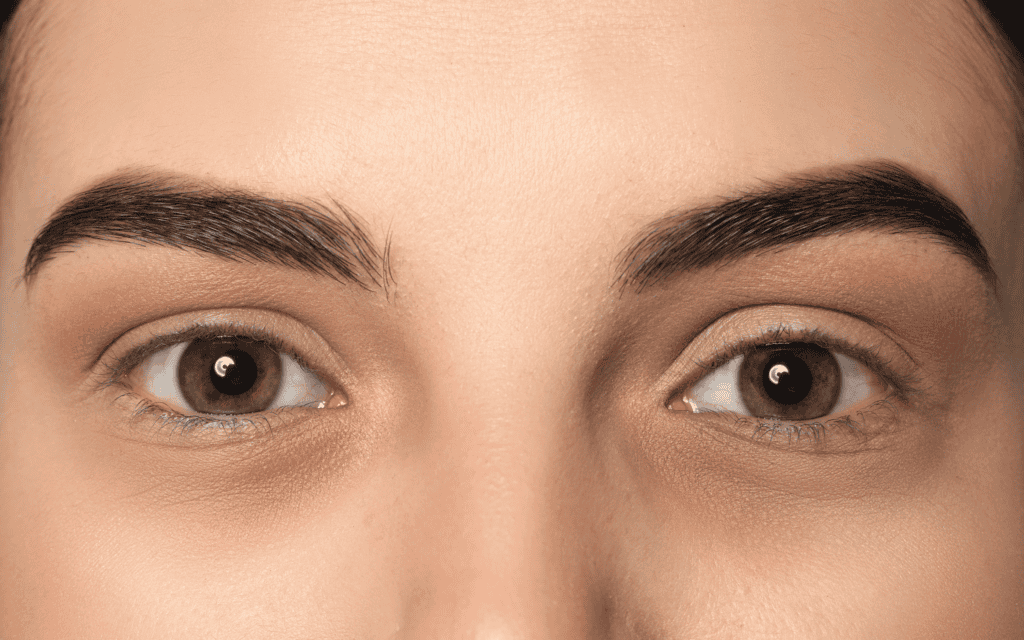
Plump skin looks springy, smooth, and well-lit from within. You’ll notice fewer visible fine lines, better light reflection, and a cushioned feel. That look comes down to water in the upper layers, intact barrier lipids, and deeper structural proteins that keep everything lifted and elastic.
Hydration Versus Oil: Why Both Matter
- Hydration (water) swells the stratum corneum so skin reflects light and feels bouncy.
- Oil (sebum and added emollients) slows water loss and adds slip so the surface looks supple.
You need both: humectants to pull in water and emollients/occlusives to keep it there. If you only hydrate, you’ll look plump for an hour and then deflate. If you only add oil, you might look shiny but still feel tight.
Barrier Health: Ceramides And The Acid Mantle
Your barrier is built like brick-and-mortar, skin cells are bricks, and ceramides, cholesterol, and fatty acids are the mortar. A healthy acid mantle (slightly acidic pH ~4.7–5.5) supports enzymes that organize those lipids. When your barrier is intact, trans‑epidermal water loss (TEWL) drops, so plump skin lasts longer between applications. Look for ceramides, cholesterol, and fatty acids in a 1:1:1 ratio, or products labeled “barrier-repair.”
Collagen, Elastin, And Glycosaminoglycans
Below the surface, collagen provides firmness, elastin offers stretch and snap, and glycosaminoglycans (like hyaluronic acid) bind water. Topicals can’t replace deeper collagen, but they can signal and protect. Retinoids, peptides (signal and copper peptides), and vitamin C support collagen integrity, while daily sunscreen prevents the UV breakdown that flattens and creases the skin over time.
Daily Routine, Ingredients, And Layering That Lock In Moisture
Building plump skin is about timing, texture, and synergy. Apply hydrating products to damp skin, then seal. Keep actives targeted and consistent.
Gentle Cleansing And Damp-Skin Application
- Use a low‑pH, non‑stripping cleanser. Gel-cream or milk textures work for most.
- Pat, not rub, dry, leaving skin slightly damp. Then apply your humectants within 60 seconds to trap water.
- Morning: lighter cleanse or rinse only if you’re dry. Evening: remove sunscreen and makeup thoroughly.
Humectants, Emollients, And Occlusives, Picking The Right Mix
- Humectants (hyaluronic acid, glycerin, polyglutamic acid, panthenol): draw water into the stratum corneum.
- Emollients (squalane, triglycerides, sunflower seed oil): soften and fill micro‑cracks so light reflects smoothly.
- Occlusives (petrolatum, dimethicone, shea butter): slow evaporation, key for lasting plumpness.
Match your climate and skin type. In dry air, bump up emollients and a light occlusive. In humidity, dial back occlusives to avoid feeling greasy.
High-Impact Actives: HA, Glycerin, Polyglutamic Acid, Ceramides, Peptides
- Hyaluronic acid: use mixed molecular weights for surface and slightly deeper hydration.
- Glycerin: underrated workhorse, effective across humidities.
- Polyglutamic acid: forms a light film that reduces TEWL and layers well over HA.
- Ceramides: fortify the barrier for longer-lasting plumpness.
- Peptides: certain signal peptides may support firmness over time: look for products tested for wrinkle depth or elasticity improvements.
Support Players: Retinoids, Vitamin C, And Niacinamide
- Retinoids (retinol, retinal, adapalene): encourage collagen renewal: start slow to avoid barrier disruption.
- Vitamin C (L‑ascorbic acid 10–20% or gentler derivatives): helps defend collagen and brighten tone so plump skin looks more even.
- Niacinamide (2–5%): supports barrier lipids and calms redness, making hydration gains more visible.
If you’re comparing options or want deeper ingredient profiles, explore our [Skincare Ingredients A to Z] hub.
Smart Layering: Morning Vs. Evening And Seasonal Tweaks
- Morning: antioxidant serum (vitamin C or niacinamide) → humectant serum → emollient moisturizer → sunscreen. Optional: a mist before humectants if air is dry.
- Evening: gentle cleanse → retinoid or peptides (alternate nights if sensitive) → humectant serum → richer moisturizer. Add a thin occlusive last if you’re dry or it’s winter.
- Seasonal: in summer, lighten textures and lean on glycerin. In winter, add ceramides and a touch of occlusive over cheeks and around eyes.
Lifestyle Habits That Visibly Plump Skin
Your daily choices influence hydration, inflammation, and collagen preservation, three levers for plump skin.
Hydration, Electrolytes, And Salt Balance
Aim for steady hydration through the day rather than chugging at night. Pair water with electrolytes if you sweat heavily or live at altitude. Keep high-sodium foods in check: sudden spikes can cause puffiness followed by rebound dullness.
Protein, Collagen, And Skin-Healthy Fats
- Protein: target a balanced intake across meals to supply amino acids for collagen.
- Collagen peptides: evidence suggests modest improvements in skin elasticity and hydration after 8–12 weeks for some users.
- Fats: prioritize omega‑3 rich foods (salmon, walnuts) and monounsaturated fats (olive oil) to support barrier lipids from within.
Sleep, Stress, And Glycation Control
Quality sleep boosts overnight repair. Chronic stress elevates cortisol, which can thin skin over time. Manage with breathwork, short walks, or journaling. Keep added sugars in check to reduce advanced glycation end products (AGEs) that stiffen collagen.
Movement, Lymphatic Drainage, And Facial Massage
Regular exercise enhances circulation for a healthier glow. A few minutes of mindful facial massage (light pressure, upward strokes, lots of slip) can temporarily boost the appearance of plumpness by improving microcirculation and fluid balance. For more healthy habit ideas, browse our [Skin Health] articles.
Shield Skin From De-Plumpers
The fastest way to lose plumpness? UV, pollution, and bone-dry air. Protect daily so your products can actually shine.
Daily Sunscreen And Reapplication Strategy
- Use a broad-spectrum SPF 30–50 every morning, rain or shine.
- Reapply every 2 hours outdoors. Indoors near windows, reapply if you sit in bright light for long periods.
- Texture tips: gels and milky fluids for oily skin: creams for dry. Try tinted mineral formulas to reduce white cast and add a subtle blur.
Pollution, Blue Light, And Indoor Air Quality
Antioxidants (vitamin C, ferulic acid, green tea) buffer pollution-induced oxidative stress that degrades collagen. Indoors, run a humidifier to 40–50% and swap harsh fragrances for cleaner air. If you’re curious about broader defense strategies, our [Dermatology] and [Cosmetic Treatments] sections dive deeper.
Climate-Smart Adjustments For Humid And Dry Environments
- Dry/cold: layer humectants under a richer cream and add a thin occlusive at night.
- Hot/humid: prioritize glycerin serums and gel creams: skip heavy occlusives.
- Travel tip: carry a travel-sized moisturizer and apply after hand washing on flights to keep TEWL in check.
Devices And Pro Treatments To Consider In 2026
Devices can complement your routine when used correctly. Choose tools with evidence and follow safety guidelines.
At-Home Tools: LED, Microcurrent, And RF, How To Use Safely
- Red LED (around 630–660 nm): may support collagen over time with consistent use (e.g., 10–20 minutes, 3–5x/week). Wear eye protection.
- Microcurrent: temporarily improves tone via gentle electrical stimulation: great before events for a subtle lifted, plump look. Use conductive gel and avoid if pregnant, with a pacemaker, or epilepsy, check device guidance.
- At‑home RF: low-power radiofrequency can warm tissue to support firmness with regular sessions: avoid overuse to prevent irritation.
In-Clinic Options: Microneedling, RF Microneedling, And Biostimulators
- Microneedling: creates controlled micro-injuries to stimulate collagen: series of sessions often yields smoother texture.
- RF microneedling: combines heat and needling for more dramatic tightening in fewer visits, with some downtime.
- Biostimulators (e.g., calcium hydroxylapatite, PLLA): prompt your body to build collagen gradually for a natural plump effect over months.
Consult a board‑certified dermatologist to tailor the approach to your skin type and goals.
When To Choose Fillers Vs. Biostimulatory Approaches
- Hyaluronic acid fillers: immediate volumizing for hollow areas (cheeks, nasolabial folds), reversible if needed.
- Biostimulators: subtler, progressive plumping: ideal if you want long-term collagen support without an overly “filled” look.
Often, a combined plan, skin care, energy devices, and targeted injectables, delivers the most natural, plump skin outcome.
Simple Routines By Skin Type And Budget
Use these as templates, swap brands as needed and patch test new products.
Oily/Combination: Light Layers Without Grease
- AM: gentle gel cleanse → glycerin/HA serum → light gel-cream with niacinamide → SPF 50 gel-fluid.
- PM: cleanse → retinoid 2–4 nights/week → peptide or HA serum → oil-free gel-cream. Optional thin occlusive just on dry patches.
Dry/Dehydrated: Cushioning Moisture And Occlusion
- AM: cream cleanser → HA + polyglutamic acid serum → ceramide-rich cream → SPF 50 cream.
- PM: cleanse → retinal or low-strength retinol (2–3 nights/week) → peptide + HA serum → ceramide/cholesterol/fatty acid cream → thin layer of petrolatum over cheeks.
Sensitive/Barrier-Impaired: Minimalist, Fragrance-Free Focus
- AM: creamy, fragrance-free cleanser → panthenol + glycerin serum → simple ceramide moisturizer → mineral SPF.
- PM: cleanse → niacinamide 2–5% or azelaic acid 10% on alternate nights → bland moisturizer: skip strong actives until redness subsides. Keep routines short and consistent.
Budget Builder: Minimalist Vs. Maximalist Sets
- Minimalist (3 steps): gentle cleanser → glycerin/HA serum → ceramide moisturizer (SPF in the morning).
- Maximalist (5–6 steps): add vitamin C in the morning, retinoid at night, and a peptide or polyglutamic acid layer where extra plumpness is needed.
For targeted body routines (crepey arms, chest), explore our [Body Care] guides, and for hairline/forehead considerations around devices, see [Hair Health].
Conclusion
Plump skin in 2026 comes from smart basics done consistently: hydrate on damp skin, seal it in, protect daily, and support collagen with well-chosen actives and habits. Use climate-aware textures, lean on gentle devices if you enjoy them, and see a professional when you want faster or more significant results. Keep it simple, stay consistent, and your skin will do the rest.
Frequently Asked Questions
What makes skin look plump and bouncy?
Plump skin reflects light evenly and feels cushioned because the surface is hydrated, the barrier lipids are intact, and deeper proteins—collagen, elastin, and glycosaminoglycans—are supported. To achieve plump skin, combine humectants for water, emollients and light occlusives to seal, and daily sunscreen to protect collagen.
How should I layer skincare to achieve plump skin morning and night?
Morning: antioxidant (vitamin C or niacinamide) → humectant serum → emollient moisturizer → sunscreen. Evening: gentle cleanse → retinoid or peptides (alternate if sensitive) → humectant serum → richer moisturizer; add a thin occlusive in dry seasons. Always apply hydrating steps to damp skin and adjust textures to climate.
Which ingredients actually plump skin in 2026?
For immediate and lasting plumpness, use mixed‑weight hyaluronic acid, glycerin, and polyglutamic acid to draw and hold water, plus ceramides to fortify the barrier. Peptides may support firmness over time. Retinoids and vitamin C protect collagen integrity, while niacinamide (2–5%) boosts barrier lipids and calms redness for a smoother look.
How long does it take to see plumper skin from routine changes?
Surface hydration can look plumper within minutes to days. Barrier repair with ceramides and consistent moisturizing typically shows steadier softness in 2–4 weeks. Collagen‑supporting steps (retinoids, vitamin C, peptides) and lifestyle shifts generally need 8–12 weeks for visible firmness gains. Devices or in‑clinic treatments may accelerate results.
Can hyaluronic acid make skin feel drier in low humidity, and how do I prevent it?
Yes—without enough ambient moisture or an emollient seal, hyaluronic acid can pull water from the skin and increase TEWL. Apply HA on damp skin, layer glycerin or polyglutamic acid, then seal with an emollient and a light occlusive in dry climates. Consider a humidifier set around 40–50%.