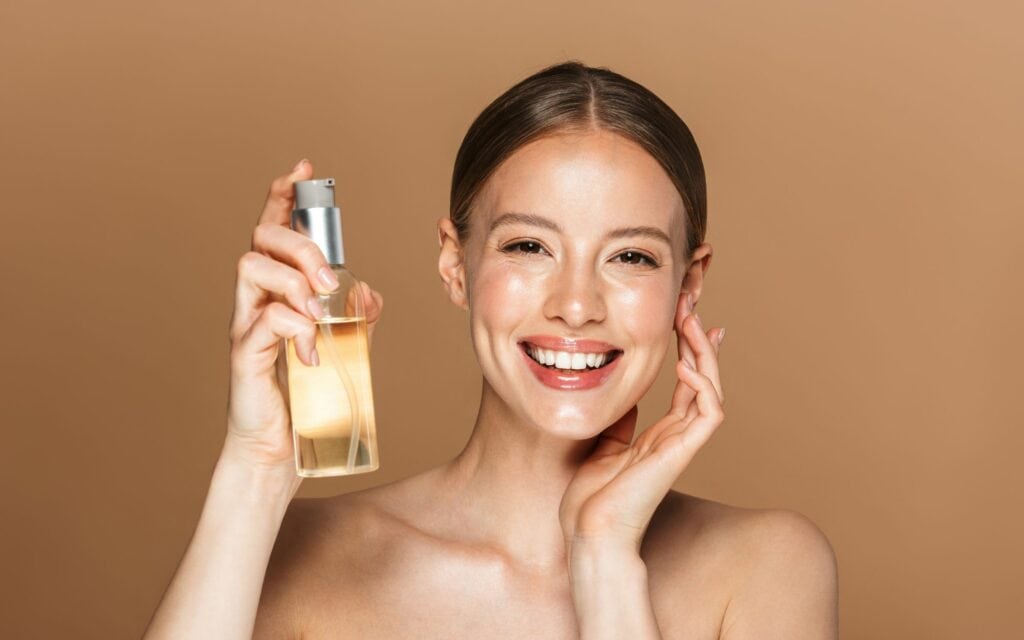

Welcome to The Derm Spot, your trusted source for dermatology and skin care advice. Have you ever struggled to find the perfect moisturizer that hydrates without clogging your pores? Almond oil for skin might just be the solution you’ve been searching for. Packed with nutrients and antioxidants, this natural oil offers a plethora of benefits that can transform your skincare routine.
In this article, we’ll dive into the remarkable advantages of almond oil, how to incorporate it into your daily regimen, and essential precautions to keep in mind. Understanding the best practices for using this versatile oil is crucial for achieving glowing, healthy skin. Whether you’re dealing with dryness, irritation, or simply want to enhance your skin’s radiance, almond oil could be your new best friend. Let’s explore its potential together.
Almond Oil Overview
Almond oil serves as a versatile solution in skincare routines, offering numerous benefits thanks to its rich nutrient profile. Packed with vitamins E and A, it hydrates without clogging pores, making it ideal for various skin types.
What Is Almond Oil?
Almond oil is derived from the seeds of the almond tree (Prunus dulcis). It features two main types: sweet and bitter. The sweet variety is commonly used in cosmetics and skin care due to its safety and nutritional value. Its properties include moisturizing, anti-inflammatory, and antioxidant effects that contribute to healthy-looking skin.
Types of Almond Oil
1. Sweet Almond Oil
- Extracted from edible almonds, it’s widely used in skincare.
- Rich in fatty acids and vitamins, it promotes skin hydration and elasticity.
2. Bitter Almond Oil
- Extracted from non-edible almonds, it contains toxic compounds.
- Primarily used for industrial purposes, it is unsuitable for skincare.
3. Refined Almond Oil
- Processed to remove impurities, it has a neutral scent and lighter consistency.
- Suitable for sensitive skin but may lose some nutrient value.
4. Unrefined Almond Oil
- Cold-pressed and retains most nutrients and antioxidants.
- Ideal for those seeking maximum benefits for skin health.
Términos relacionados: moisturizing oil, skincare, nut oils, essential fatty acids, vitamin-rich oils.
For more information on skin benefits and various oils, explore our Dermatology category o Ingredientes de la A a la Z.
Beneficios del aceite de almendras para la piel
Almond oil offers numerous benefits for skin health, making it a versatile addition to your skincare routine.
Propiedades hidratantes
Almond oil’s ability to penetrate deeply hydrates skin without clogging pores. It’s ideal for keeping skin soft and supple. Key moisture-enhancing characteristics include:
- Absorption: It absorbs quickly, providing instant hydration.
- Emollient nature: It acts as a barrier, preventing moisture loss.
- Vitamin E content: This antioxidant supports skin hydration.
To maximize moisturizing benefits, apply almond oil immediately after bathing while the skin is still damp.
Efectos antienvejecimiento
Almond oil contains antioxidants that combat free radicals, reducing the appearance of fine lines and wrinkles. Notable anti-aging benefits include:
- Improvement of skin tone: Promotes a more even complexion.
- Increased elasticity: Enhances skin firmness.
- Collagen support: Essential fatty acids nourish skin and support collagen production.
Using almond oil regularly can help delay signs of aging, making it an effective preventive measure for youthful skin.
Propiedades curativas
Almond oil helps soothe skin irritations and promotes healing due to its anti-inflammatory characteristics. It assists with:
- Reduction of redness: Soothes inflamed skin.
- Treatment of dryness: Alleviates conditions like eczema and psoriasis.
- Support for wound healing: Encourages tissue repair in cuts and scrapes.
Apply almond oil to affected areas for relief and to speed up recovery. For severe skin issues, consult a dermatologist from The Derm Spot’s dermatology category for tailored advice.
How to Use Almond Oil for Skin
Using almond oil for skincare is straightforward and effective. This versatile oil serves various purposes, enhancing hydration, soothing irritation, and supporting overall skin health.
Aplicación directa
Applying almond oil directly to your skin is simple. Follow these steps for optimal results:
- Choose high-quality oil: Select unrefined sweet almond oil for maximum nutrients.
- Cleanse your skin: Wash your face or area to remove dirt and impurities.
- Apply a small amount: Place a few drops into your palms, then gently massage into your skin in circular motions.
- Follow your routine: Use almond oil after bathing or cleansing to lock in moisture.
Signs of effective application include improved hydration and a smoother skin texture. For sensitive skin, conduct a patch test first to check for reactions. Keep in mind that while most individuals benefit from almond oil, those with nut allergies should avoid it.
Mixing with Other Ingredients
Mixing almond oil with other ingredients enhances its benefits. Consider these combinations for targeted effects:
- With essential oils: Combine almond oil with lavender or tea tree oil for calming or antibacterial properties, respectively.
- With honey: Mix almond oil and honey for a hydrating face mask that soothes and nourishes the skin.
- With sugar: Blend almond oil and sugar to create an exfoliating scrub that removes dead skin cells.
When using mixtures, apply the combined product directly to clean skin. Leave it on for 10-15 minutes, then rinse. These mixtures cater to various skin concerns, including dryness, irritation, and uneven texture.
Maintaining a consistent skincare routine with almond oil supports optimal skin health. Incorporate these methods regularly, and consult a dermatologist at El Punto Derm if you encounter persistent issues or have concerns regarding allergic reactions.
Precautions When Using Almond Oil
Using almond oil for skin benefits offers various advantages, but being aware of precautions ensures safe and effective results.
Reacciones alérgicas
Allergic reactions to almond oil can occur, especially if you have a nut allergy. Symptoms might include:
- Enrojecimiento: Skin becomes red and inflamed.
- Picor: Affected areas may feel itchy or uncomfortable.
- Swelling: Localized swelling can arise, leading to discomfort.
To prevent allergies, conduct a patch test by applying a small amount of almond oil to an inconspicuous area. If no irritation occurs within 24 hours, the oil is likely safe for use. If you experience symptoms of an allergic reaction, stop using the oil and seek professional advice.
Dosage Recommendations
When incorporating almond oil into your skincare routine, consider the following dosage recommendations for best results:
- Uso diario: Apply a few drops to your skin once or twice daily for moisturization.
- Combination Use: If mixing with other ingredients (such as essential oils or honey), limit the almond oil to 1-2 teaspoons per mixture.
- Specific Conditions: For dry skin or irritation, you may increase application frequency based on your skin’s response.
Monitor your skin’s reaction to determine the optimal frequency of application. For persistent issues, consult a dermatologist for tailored advice.
By following these precautions and understanding potential allergic reactions and dosage recommendations, you can effectively integrate almond oil into your skincare routine while minimizing risks. For more in-depth information, you can explore salud de la piel y ingredientes para el cuidado de la piel.
Conclusión
Almond oil can be a game-changer for your skincare routine. Its rich nutrients and antioxidants work wonders to keep your skin hydrated and healthy. By incorporating this versatile oil into your daily regimen, you can enjoy its moisturizing and anti-aging benefits while soothing any irritations.
Just remember to choose high-quality unrefined sweet almond oil and perform a patch test if you’re concerned about allergies. With the right precautions and consistent use, almond oil can help you achieve the glowing skin you desire. Embrace this natural remedy and watch your skin transform.
Preguntas frecuentes
What is almond oil good for in skincare?
Almond oil is an excellent moisturizer that hydrates without clogging pores. It has anti-inflammatory and antioxidant properties, making it beneficial for soothing skin irritations, enhancing complexion, and supporting overall skin health.
What are the types of almond oil?
The two main types are sweet almond oil, which is safe and commonly used in cosmetics, and bitter almond oil, which is toxic and should be avoided in skincare. Additionally, there’s refined almond oil and unrefined almond oil, with the latter retaining most nutrients for maximum benefits.
How should I apply almond oil for best results?
For optimal hydration, apply almond oil after bathing on clean skin. This helps lock in moisture. Consider using high-quality unrefined sweet almond oil and mixing it with other beneficial ingredients for targeted skin concerns.
Can almond oil help with aging skin?
Yes, almond oil can improve skin tone, enhance elasticity, and support collagen production, making it effective in preventing and reducing signs of aging. Regular use can contribute to a more youthful appearance.
Are there any precautions to take when using almond oil?
If you have nut allergies, be cautious as almond oil can cause allergic reactions, such as redness or swelling. Conduct a patch test before full application, and consult a dermatologist if you have concerns about its use.
How much almond oil should I use?
A few drops of almond oil daily is generally sufficient. You can mix it with other ingredients in limited amounts. Adjust the frequency based on your skin’s response, especially for specific conditions.