Welcome to The Derm Spot, your trusted source for dermatology and skin care advice. If you’ve ever dealt with the frustration of ingrown hair, you know how those stubborn bumps can affect your confidence and comfort. Ingrown hair is more common than you think and can lead to irritation, redness, and even infection if left untreated.
In this article, you’ll discover effective tips and treatments for smooth, bump-free skin in 2025. From prevention strategies to the latest dermatological solutions, we’ll guide you through everything you need to know to say goodbye to ingrown hair for good. Whether you’re prone to razor bumps or looking for gentle exfoliation techniques, these expert insights will help you maintain clear and healthy skin.
Understanding Ingrown Hair: Causes and Symptoms
Begin with a clear grasp of ingrown hair to manage and prevent it effectively. Ingrown hairs occur when hair curls back or grows sideways into the skin, causing irritation or bumps often mistaken for acne or rashes.
What Are Ingrown Hairs?
Ingrown hairs develop when your hair, instead of growing straight from the follicle, bends and re-enters the skin. This misdirection traps hair beneath the skin’s surface, leading to inflammation. The obstruction can cause small, raised bumps, sometimes filled with pus. Areas prone to ingrown hairs include your beard line, bikini area, and legs, especially after shaving or waxing.
Common Causes and Contributing Factors
Several elements cause or increase the chances of ingrown hairs in your hair or skin:
- Improper Hair Removal: Shaving too close, waxing, or plucking hair can irritate follicles.
- Curly or Coarse Hair Texture: Curly hair naturally tends to grow back into the skin.
- Clogged Hair Follicles: Dead skin cells block follicles, forcing hair to grow sideways.
- Tight Clothing: Friction from tight fabrics causes irritation and hair to bend.
- Poor Skin Hygiene: Lack of exfoliation and cleansing contributes to buildup around follicles.
Recognizing the Signs and Symptoms
Spotting ingrown hairs early prevents complications like infection or scarring. Common symptoms include:
- Small, round bumps resembling pimples or razor bumps
- Redness, swelling, and tenderness around affected areas
- Itching or mild pain near hair follicles
- Darkened skin patches (hyperpigmentation) from ongoing irritation
- Pus-filled lesions in advanced cases
For practices to manage or treat ingrown hair effectively, explore detailed guidance at The Derm Spot’s Dermatology section, enhancing your skin-health knowledge.
Effective Tips to Prevent Ingrown Hair in 2025
Preventing ingrown hair hinges on adopting proper hair removal methods, maintaining a tailored skincare routine, and incorporating lifestyle habits that minimize risk. Each step plays a critical role in keeping your skin smooth and bump-free.
Proper Hair Removal Techniques
Choosing the right hair removal method reduces ingrown hair formation by minimizing hair trauma and skin irritation. Consider these techniques:
- Exfoliate Before Hair Removal: Gently remove dead skin cells to free clogged follicles. Use a soft scrub or chemical exfoliants containing salicylic acid or glycolic acid from trusted sources like Guía de ingredientes para el cuidado de la piel de The Derm Spot.
- Use Sharp, Clean Tools: Always shave with a fresh razor blade to avoid uneven cuts and irritation. Electric trimmers or hair removal creams can be alternatives for sensitive skin, limiting hair shaft damage.
- Shave in Hair Growth Direction: Prevent hair from curling back into the skin by shaving with the grain rather than against it.
- Avoid Tight Clothing Post-Hair Removal: Tight clothes press hair against the skin, increasing the chance of hair re-entering the follicle.
- Consider Long-Term Solutions: Laser hair removal or professional waxing can reduce ingrown hair frequency by hindering regrowth. Consult dermatology experts at El Punto Derm for personalized treatment options.
Skincare Routine for Smooth Skin
Your daily skincare routine directly impacts ingrown hair prevention by maintaining clean pores and soothing the skin:
- Daily Cleansing: Use a gentle, non-comedogenic cleanser twice daily to clear excess oil and dirt.
- Exfoliación regular: Incorporate chemical exfoliants like alpha-hydroxy acids (AHAs) or beta-hydroxy acids (BHAs) 2-3 times a week to remove dead skin and unblock follicles.
- Moisturize Consistently: Hydrate with non-greasy moisturizers containing ingredients like niacinamide or ceramides to reinforce skin barrier health.
- Apply Topical Treatments when Needed: Use over-the-counter creams with salicylic acid or glycolic acid to reduce inflammation and promote healing for mild bumps.
- Protect Skin from Sun Exposure: Apply broad-spectrum sunscreen daily to prevent post-inflammatory hyperpigmentation from ingrown hair irritation.
Explore more on maintaining skin health and choosing the right products through The Derm Spot’s skin health category.
Lifestyle Habits That Reduce Risk
Adapting lifestyle habits complements hair removal and skincare routines in lowering ingrown hair risk:
- Avoid Frequent Shaving: Give skin time to recover between hair removal sessions.
- Wear Loose Clothing: Prevent friction and pressure along hair follicles by choosing breathable fabrics like cotton.
- Maintain Proper Hygiene: Shower promptly after sweating to clear pores and reduce bacterial presence.
- Stay Hydrated and Eat Nutritiously: Support skin regeneration and reduce inflammation with adequate water intake and a balanced diet rich in antioxidants.
- Gestionar el estrés: Chronic stress can worsen skin conditions; use relaxation techniques to aid skin health.
If irritation or bump severity persists despite self-care, seek professional assessment from dermatology specialists at El Punto Derm. They offer treatments including corticosteroid applications, antibiotic therapy, and cosmetic procedures suited to your condition.
| Prevention Method | Description | Recommended Products or Practices |
|---|---|---|
| Pre-shave Exfoliation | Removes dead skin to prevent follicle clogging | Salicylic acid scrubs, gentle physical exfoliants |
| Proper Shaving Technique | Shave with hair growth, use sharp blades | Single-blade razors, electric shavers with adjustable heads |
| Hidratación | Maintains skin barrier and hydration | Niacinamide creams, ceramide-rich lotions |
| Chemical Exfoliation | Clears pores, reduces dead skin buildup | AHAs like glycolic acid, BHAs like salicylic acid |
| Elección de ropa | Reduces friction and pressure on sensitive skin | Loose cotton shirts, breathable fabrics |
| Tratamientos profesionales | Reduces hair regrowth and treats persistent issues | Laser hair removal, medicated creams prescribed by dermatologists |
For further guidance on body care and cosmetic treatments tailored to your skin type, visit these curated resources: cuidado corporal y tratamientos cosméticos. Incorporating these practices offers a comprehensive approach to minimize ingrown hair occurrence and maintain smooth skin throughout 2025.
Top Treatments for Ingrown Hair in 2025
Managing ingrown hair effectively in 2025 combines advanced dermatological approaches with accessible at-home solutions. Understanding which treatments target ingrown hairs based on your skin type and hair texture helps maintain smooth, bump-free skin. Below are key treatment options grouped by accessibility and efficacy.
Over-the-Counter Solutions
OTC treatments relieve inflammation and reduce trapped hair by promoting gentle exfoliation and antibacterial care. You benefit from these options before turning to professional interventions.
- Exfoliantes químicos: Products containing alpha hydroxy acids (AHAs) like glycolic acid or beta hydroxy acids (BHAs) such as salicylic acid break down dead skin cells and clear clogged pores. Use cleansers, toners, or serums with 2-10% acid concentration for best results. Apply 2–3 times per week to reduce bump formation.
- Retinoides tópicos: OTC retinoids accelerate skin cell turnover and promote follicular unclogging. They aid in preventing hair from curling back into the skin. Start with lower-strength formulations and increase as tolerated to minimize irritation.
- Antiseptic Creams and Gels: Ingredients like benzoyl peroxide and tea tree oil provide antibacterial action that helps prevent infection of inflamed ingrown hair lesions. Use after cleansing and exfoliating for daily skin health maintenance.
- Crema de hidrocortisona: Over-the-counter 1% hydrocortisone cream may reduce redness and itching related to ingrown hairs. Apply sparingly to avoid skin thinning and only for short periods.
Consistent OTC treatment helps maintain skin clarity and minimizes recurring bumps. Refer to The Derm Spot’s Skin Health section for comprehensive guidance on skincare products and usage.
Professional Dermatological Treatments
Seek professional advice if OTC treatments don’t resolve persistent, painful, or infected ingrown hairs. Dermatologists provide targeted treatments that often yield faster, long-lasting relief.
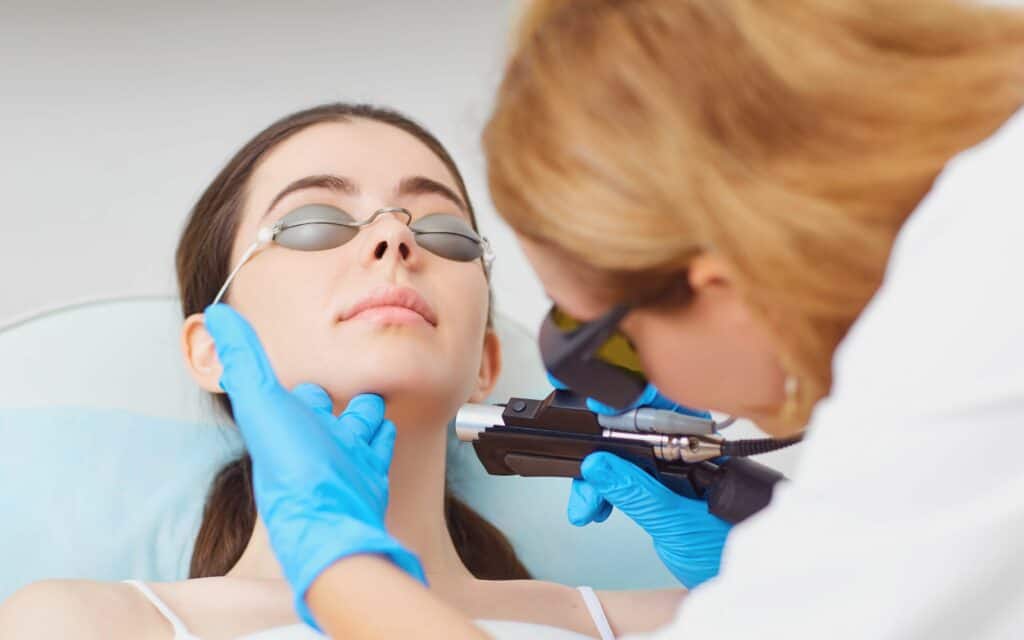
- Depilación láser: Laser technologies including diode, Alexandrite, and Nd:YAG selectively destroy hair follicles to reduce hair growth permanently. Optimal for coarse or curly hair types prone to ingrown hairs. Multiple sessions spaced weeks apart ensure effective follicular damage.
- Peelings químicos: Medium-strength peels using trichloroacetic acid (TCA) or stronger AHAs professionally applied enhance exfoliation deeper than OTC options. Peels reduce follicle blockage and improve overall skin texture.
- Microdermoabrasión: This non-invasive procedure mechanically exfoliates dead skin cells and smooths the skin surface, reducing ingrown hair formation. Available as in-clinic treatments or with home devices prescribed by dermatologists.
- Inyecciones de corticosteroides: For inflamed, cystic ingrown hairs, dermatologists may inject corticosteroids to deflate swelling and accelerate healing.
- Incision and Extraction: In cases of large, painful hair cysts, dermatologists perform sterile removal of trapped hair and fluid, preventing infection and scarring.
Professional treatments are tailored to your skin sensitivity, hair characteristics, and the severity of ingrown hairs. Explore options and consult experts via The Derm Spot’s Dermatology resources.
Natural Remedies That Work
Natural remedies complement conventional care and reduce mild ingrown hair symptoms with fewer side effects for sensitive skin.
- Warm Compresses: Applying warm compresses twice daily softens the skin and promotes drainage of trapped hairs and pus. Use a clean cloth soaked in warm water for 10–15 minutes per session.
- Gel de Aloe Vera: Known for soothing inflamed skin, aloe vera reduces redness and irritation. Apply pure gel directly to affected areas after cleansing.
- Miel: Raw honey’s natural antibacterial properties help prevent infection and promote healing. Use as a mask or spot treatment for 15–20 minutes before rinsing.
- Witch Hazel: This natural astringent tightens skin pores and reduces inflammation. Apply with a cotton pad to cleanse ingrown hair sites daily.
- Aceite del árbol del té: Diluted tea tree oil acts as an antimicrobial agent to reduce bacterial growth in ingrown hair bumps. Mix 1–2 drops in carrier oil before application to avoid irritation.
Combine natural remedies with preventive daily care, such as regular cleansing and exfoliation, to maintain healthy skin. Find more natural skincare tips at The Derm Spot’s Body Care category.
Preventive Measures and Daily Care Tips
Preventing ingrown hairs remains the foundation for smooth skin. Incorporate these simple habits:
- Exfoliate gently 2–3 times weekly to remove dead skin cells.
- Use sharp, clean razors and shave in the direction of hair growth. Avoid multiple passes during shaving.
- Moisturize daily to keep skin hydrated and pliable.
- Wear loose, breathable clothing post-epilation to reduce friction.
- Consider long-term solutions like laser hair removal if prone to chronic ingrown hairs.
- Avoid picking or squeezing bumps to prevent scarring and infection.
For detailed skincare ingredient insights, including exfoliants and moisturizers that support ingrown hair prevention, visit The Derm Spot’s Skincare Ingredients A to Z.
| Tipo de tratamiento | Key Benefit | Suitable For | Usage Frequency | Notas |
|---|---|---|---|---|
| Exfoliantes químicos | Clears clogged follicles | Mild-moderate ingrown hairs | 2–3 times per week | Avoid overuse; may cause dryness |
| Retinoides tópicos | Speeds cell turnover | Acne-prone and clogged skin | Nightly or every other night | Start with low strength; sun protection needed |
| Depilación láser | Reduces hair growth permanently | Recurrent ingrown hairs | Multiple sessions, weeks apart | Requires professional assessment |
| Microdermoabrasión | Mechanical exfoliation | Rough skin texture or bumps | Monthly or as recommended | May need multiple sessions |
| Remedios naturales | Soothes inflammation | Sensitive or mild irritation | Daily or as needed | Combine carefully with other treatments |
Explore specialized hair health advice and cosmetic treatment options linked to ingrown hair prevention and care at The Derm Spot’s hair health y tratamientos cosméticos secciones.
Seek immediate professional care if ingrown hairs cause severe pain, pus discharge, or extensive swelling to prevent complications.
Choosing the Right Approach for Your Skin Type
Choosing the right approach to prevent and treat ingrown hair depends largely on your skin type. Understanding your skin’s characteristics helps tailor prevention strategies and treatments that keep skin smooth and bump-free in 2025.
Identifique su tipo de piel
Pinpointing your skin type sets the foundation for effective care against ingrown hairs. Each type reacts differently to hair removal methods and skincare products, influencing the risk and severity of ingrown hairs.
- Piel grasa: Produces excess sebum, increasing clogged pores and follicle blockage, which worsens ingrown hairs. You might notice shiny skin, visible pores, and frequent acne-like bumps.
- Piel seca: Tends to flake and lacks natural moisture, causing tightness and irritation after hair removal. Dry skin often feels rough and can develop red or flaky patches.
- Pieles mixtas: Exhibits oily areas (typically in the T-zone) alongside dry or normal patches. Ingrown hair risks vary by region, necessitating a mixed skincare routine.
- Piel sensible: Reacts easily to shaving and hair removal products with redness, itching, or inflammation. Even mild exfoliants may cause irritation.
- Normal Skin: Balanced moisture and oil levels, less prone to sensitivity and irritation but still vulnerable to ingrown hairs with improper hair care.
Observe your skin for signs such as excessive oiliness, dryness, tightness, redness, or irritation, especially after shaving or waxing. These observations determine your category and guide product and treatment choices.
Customized Prevention and Treatment Plans
Customize your regimen based on your skin type to effectively prevent and manage ingrown hairs. Combine hair removal techniques, skincare routines, and treatments tailored for your skin’s needs.
| Tipo de piel | Métodos de prevención | Opciones de tratamiento |
|---|---|---|
| Oily Skin | – Use gentle exfoliants with salicylic acid daily – Cleanse with oil-free, non-comedogenic products – Shave with sharp blades following hair growth | – OTC products containing salicylic acid or benzoyl peroxide – Chemical peels under dermatology guidance – Laser hair removal to reduce follicles |
| Dry Skin | – Moisturize with hydrating, fragrance-free lotions – Avoid harsh scrubs; use mild chemical exfoliants like lactic acid – Shave after moisturizing skin to reduce irritation | – Topical retinoids to promote skin renewal – Warm compresses to reduce bumps – Professional microdermabrasion for gentle exfoliation |
| Combination Skin | – Treat oily zones with salicylic acid; hydrate dry areas separately – Use balanced cleansers – Adjust shaving technique in different zones | – Customized exfoliation plans – Targeted hydrating treatments – Consider laser hair removal for persistent ingrown hairs in oily zones |
| Piel sensible | – Use fragrance-free, hypoallergenic products – Avoid alcohol-based aftershaves – Exfoliate with mild agents less frequently (1-2 times/week) | – Hydrocortisone creams for inflammation – Natural remedies like aloe vera and witch hazel – Consult dermatologists for safe laser options |
| Normal Skin | – Maintain regular exfoliation and hydration – Shave with proper technique and sharp tools – Wear loose clothing post hair removal | – OTC exfoliants – Gentle moisturizers – Routine skin checks for early signs |
Practical daily care tips include:
- Limpieza: Use a cleanser suitable for your skin type twice daily to remove oils, dirt, and dead skin cells that clog follicles.
- Exfoliación: Incorporate chemical exfoliants like alpha hydroxy acids (AHAs) or beta hydroxy acids (BHAs) 2-3 times weekly, adjusting frequency to skin sensitivity.
- Hidratante: Apply non-comedogenic moisturizers to keep skin hydrated and flexible, reducing irritation risks after hair removal.
- Hair Removal: Always use clean, sharp tools and shave or wax in the hair growth direction to minimize follicle trauma.
- Clothing: Wear loose, breathable fabrics after hair removal to prevent friction and follicle irritation.
- Protección solar: Protect treated areas with SPF 30 or higher to avoid hyperpigmentation and further irritation.
When ingrown hairs persist or become infected, featuring increased redness, pain, or pus, seek professional advice. Dermatologists can assess your condition and recommend treatments like corticosteroid injections, incision and extraction, or advanced laser therapy.
Explore more about skin types and appropriate care in The Derm Spot’s Dermatology section and deepen your knowledge on salud de la piel y ingredientes para el cuidado de la piel to optimize your approach. For hair-related care, check recursos para la salud capilar, and for body-specific treatments, see body care tips. Advanced methods can be found in tratamientos cosméticos.
Conclusión
You have the tools and knowledge to tackle ingrown hairs effectively and enjoy smooth skin all year round. By customizing your approach to fit your skin type and adopting consistent care habits, you can prevent irritation and keep bumps at bay. Remember, when in doubt or if issues persist, consulting a dermatologist ensures you get the right treatment tailored just for you. Embrace these strategies and step confidently into 2025 with clear, bump-free skin.
Preguntas frecuentes
What causes ingrown hairs?
Ingrown hairs occur when hair grows sideways or curls back into the skin, often due to improper hair removal, curly or coarse hair, clogged follicles, tight clothes, or poor hygiene. This leads to irritation and bumps.
How can I prevent ingrown hairs?
Prevent ingrown hairs by exfoliating before hair removal, using sharp and clean tools, shaving in the direction of hair growth, avoiding tight clothing after hair removal, and maintaining a proper skincare routine.
What are the signs of ingrown hairs?
Signs include small, red bumps, itching, swelling, and irritation that may resemble acne. Early recognition helps prevent infection and scarring.
What skincare routine helps reduce ingrown hairs?
Use daily cleansing, gentle exfoliation with chemical agents, consistent moisturizing, and sun protection to keep skin healthy and minimize ingrown hairs.
Are there any treatments for ingrown hairs?
Yes, treatments include OTC products like chemical exfoliants and topical retinoids, professional options like laser hair removal and chemical peels, and natural remedies such as warm compresses and tea tree oil.
How do I choose the right treatment for my skin type?
Understand your skin type—oily, dry, combination, sensitive, or normal—and tailor prevention and treatment accordingly. For example, sensitive skin may need gentler exfoliation and soothing creams.
When should I see a dermatologist for ingrown hairs?
If ingrown hairs persist, become infected, or cause significant discomfort, seek professional advice for advanced treatments and personalized care.
Can lifestyle habits affect ingrown hairs?
Yes, wearing loose clothing, maintaining hygiene, staying hydrated, managing stress, and avoiding frequent shaving can help reduce ingrown hair risk.