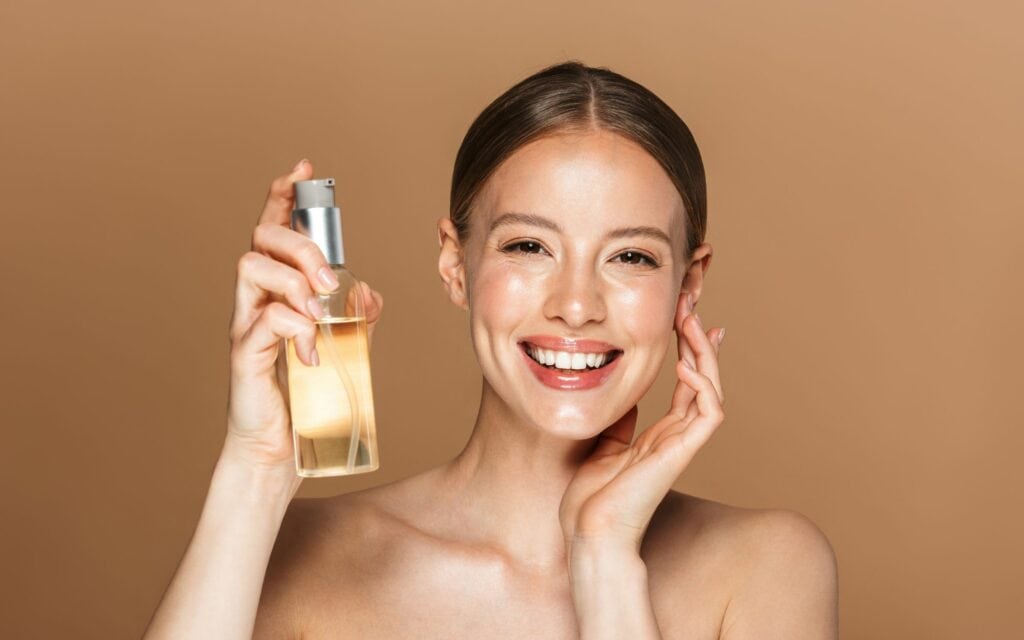

Welcome to The Derm Spot, your trusted source for dermatology and skin care advice. If you’ve been eyeing a firming body cream to smooth crepey areas, soften texture, and tighten the look of your skin, you’re not alone. With so many formulas promising “lift” and “tightening,” it’s hard to know what actually works and what’s just good marketing. In this guide, you’ll learn how a firming body cream fits into your routine, the ingredients worth paying for in 2026, and how to pick the right formula for your skin type and goals, so your money and effort deliver visible results.
What Firming Body Creams Can—And Can’t—Do
How They Improve Tone And Texture
A well-formulated firming body cream can visibly improve surface firmness, bounce, and smoothness by boosting hydration, supporting collagen and elastin, and reducing the look of crepiness. Hydration alone makes skin appear tighter because water plumps the outer layers, minimizing fine crinkles on areas like the upper arms, thighs, and abdomen. Actives, think peptides, retinoids, and caffeine, can further enhance the look of tone over weeks by encouraging better skin renewal and microcirculation.
What you can expect when you apply consistently (daily to twice daily):
- A smoother feel within days as humectants draw in water.
- A more elastic look in 2–4 weeks from barrier support and cell turnover.
- Gradual improvement in the “snap-back” effect with peptide and retinoid use over 8–12 weeks.
Limits Versus Procedures And Exercise
Here’s the honest part: a firming body cream won’t replace strength training, weight management, or in-office treatments. It can’t tighten significant skin laxity after major weight loss, fix stretched dermal support after pregnancy, or remove cellulite dimples. Procedures like radiofrequency, ultrasound, microneedling, and laser treatments create deeper structural change than any topical can. And muscle tone from exercise gives skin something to “cling” to.
So, view a firming body cream as a visible enhancer and maintenance tool, not a miracle worker. Use it to optimize what you’re doing with lifestyle and, if needed, pair it with professional treatments you’ll find discussed in our traitements cosmétiques hub.
Key Ingredients That Actually Work In 2026
Peptides, Retinoids, And Next-Gen Actives
In 2026, the most effective firming body cream formulas reliably combine:
- Signal peptides (e.g., palmitoyl tripeptide-1, palmitoyl tetrapeptide-7, copper peptides): support collagen and elastin pathways to improve skin’s springiness.
- Retinoids (retinol, retinaldehyde/retinal, encapsulated hydroxypinacolone retinoate): increase cell turnover and dermal matrix production, softening crepe and uneven tone. Retinal is trending for faster results with less irritation when microencapsulated.
- Caffeine and aminophylline: temporarily tighten and de-puff the look of skin by constricting vessels and supporting fluid balance, helpful for thighs and upper arms.
- Antioxidants (vitamin C derivatives like THD ascorbate, ferulic acid, resveratrol): defend collagen against environmental stressors and support brightness.
Emerging tech: biomimetic elastin fragments, growth-factor-mimicking peptides, and AI-optimized peptide blends are showing better synergistic effects in body-care studies, with many brands sharing small but promising 8–12 week imaging data.
Barrier Builders And Hydration Systems
Firmness starts with a resilient barrier. Look for:
- Ceramides (NP, AP, EOP), cholesterol, fatty acids: rebuild the lipid matrix for lasting suppleness.
- Humectants: glycerin, hyaluronic acid of varied molecular weights, polyglutamic acid, and ectoin to bind water.
- Occlusives and emollients: shea butter, squalane, triglycerides to seal in hydration without a greasy feel.
- Niacinamide (2–5%): reduces transepidermal water loss and brightens uneven tone.
New in 2026: multi-phase hydration systems (humectant + lamellar lipid + volatile occlusive) that feel weightless yet keep skin moisturized for 24–48 hours. These systems are key if you want that immediate “tighter” look alongside long-term improvements.
How To Choose The Right Formula For Your Skin Type And Goals
Match To Concerns And Skin Type
Start by narrowing your primary goal for your firming body cream:
- Crepey skin (arms, knees, chest): choose a retinoid + peptide + ceramide blend.
- Slackness post-weight change: prioritize peptides, niacinamide, and hydration systems: consider pairing with strength training.
- Texture + dullness: seek retinal or encapsulated retinol plus vitamin C derivatives.
- Puffiness look on thighs/upper arms: add caffeine: look for quick-tightening polymers.
Skin type tips:
- Dry: richer creams with shea, triglycerides, ceramides.
- Oily/acne-prone on body: gel-creams with niacinamide, lightweight esters, and non-comedogenic emollients.
- Mature: higher peptide load, retinal/retinol, cholesterol-infused barrier support.
Sensitive And Pregnancy-Safe Considerations
- Sensitive skin: opt for fragrance-free, low retinoid or retinoid-free options: favor peptides, ectoin, bisabolol, and oat derivatives. Patch test first.
- Pregnancy/breastfeeding: avoid retinoids unless cleared by your clinician. Look for peptide-focused firming body creams with niacinamide, hyaluronic acid, ceramides, shea, and caffeine alternatives if your provider advises avoiding stimulants. When in doubt, review our dermatologie et santé de la peau resources for ingredient safety basics.
Application That Maximizes Results
Layering, Frequency, And Massage
To get the most from your firming body cream:
- Apply to slightly damp skin after a quick shower to lock in moisture.
- Use enough product, about a quarter-sized amount per limb and a nickel for the abdomen/chest.
- Layer smart: exfoliate 1–3x weekly with a gentle body AHA/BHA (e.g., lactic acid 5–10% or salicylic 0.5–2%) at night, then follow with your cream. Skip exfoliation on nights you use stronger retinoids.
- Massage for 60–120 seconds per area using upward strokes and light pressure to enhance circulation and absorption.
- Frequency: daily use is fine: retinoid formulas may start at 3–4 nights weekly, then increase as tolerated.
Timelines And Tracking Results
- Immediate: smoother feel and a subtly tighter look from humectants and film-formers.
- 2–4 weeks: improved texture and bounce as hydration equilibrates and peptides/niacinamide begin to show.
- 8–12 weeks: visible firming in targeted areas with consistent retinoid/peptide use.
Track progress by taking photos every 3–4 weeks under similar lighting and posture. Measure subjective changes too, how clothing fits and how skin “snaps” when gently pulled back. Small note: results plateau if you under-apply or skip days.
2026 Innovations And Trends To Watch
Microencapsulation And Time-Release Delivery
Encapsulation isn’t new, but 2026 formulas are smarter. Look for:
- Dual-encapsulated retinal or retinol for steadier release and lower irritation across large body areas.
- pH-responsive capsules that open in the stratum corneum, not in the bottle.
- Co-encapsulation of peptides + antioxidants to reduce instability.
These systems maintain potency across a larger surface and cut down on the “hot spots” that can happen when you spread a strong active too thin.
Microbiome-Friendly, Eco-Conscious Formulations
Formulators are designing firming body creams that respect the skin microbiome:
- Prebiotics/postbiotics to support a balanced flora, reducing dryness and redness.
- Minimalist preservative systems that still pass robust challenge testing.
Sustainability gains include recycled or bio-resin packaging, concentrated refill pouches, and cold-process manufacturing to reduce energy use. If eco-credentials matter to you, scan for third-party certifications and transparent life-cycle data in brand reports.
Safety, Labels, And Smart Shopping
Decoding Claims And Clinical Data
Marketing language can be fuzzy. Prioritize firming body creams that provide:
- Full ingredient list with active concentrations or at least ranges.
- Before/after photos with timelines and sample sizes.
- Independent or dermatologist-reviewed studies, not just consumer perception.
- Clear disclaimers on what the product can realistically achieve.
A quick label checklist:
- Actives: peptide blend + retinoid (or peptide-only if sensitive/pregnant) + niacinamide.
- Barrier support: ceramides/cholesterol/fatty acids, humectants, and emollients.
- Avoid red flags: vague “proprietary complexes” with no details, sky-high claims in 7 days, or strong fragrance high on the list.
Patch Testing, Irritants, And Allergens
Patch test any new firming body cream on the inner arm or behind the knee for 48–72 hours. Watch for stinging, welts, or persistent redness. Common triggers include:
- Fragrance allergens (e.g., limonene, linalool, cinnamal)
- High concentrations of menthol or essential oils
- Overlapping exfoliants with retinoids causing irritation
If you have a history of eczema, KP, or contact dermatitis, consider fragrance-free and dye-free options and introduce actives slowly. For ingredient spot-checks, our Ingrédients des soins de la peau de A à Z guide is a handy companion.
Conclusion
A firming body cream won’t do the heavy lifting of a procedure or your workout routine, but it absolutely can make skin look smoother, springier, and more resilient when you choose well and apply consistently. Focus on evidence-backed actives (peptides, encapsulated retinoids, niacinamide), strong barrier support, and a routine you’ll actually follow. Give it 8–12 weeks, track your progress, and adjust based on your skin’s feedback. That’s how you turn daily body care into visible firming gains, without the hype.
Questions fréquemment posées
What results can a firming body cream realistically deliver, and what can’t it do?
A firming body cream can smooth texture in days, improve bounce in 2–4 weeks, and enhance the skin’s “snap-back” over 8–12 weeks via hydration, peptides, and retinoids. It won’t replace exercise or procedures, correct significant laxity after weight loss or pregnancy, or remove cellulite dimples.
Which ingredients should I look for in a 2026 firming body cream?
Prioritize signal peptides (palmitoyl tripeptide-1, copper peptides), encapsulated retinoids (retinal, retinol), niacinamide, caffeine, and robust barrier builders (ceramides, cholesterol, fatty acids). Seek multi-phase hydration systems plus antioxidants like THD ascorbate and resveratrol. 2026 innovations include dual-encapsulated retinoids and AI-optimized peptide blends for steadier, synergistic results.
How do I choose the right firming body cream for my skin type and goals?
For crepey areas, choose retinoid + peptide + ceramides; for post-weight-change slackness, focus on peptides, niacinamide, and deep hydration; for dullness/texture, pick retinal or encapsulated retinol with vitamin C. Dry skin prefers richer textures; oily/acne-prone suits gel-creams; mature skin benefits from higher peptide loads and cholesterol support.
What’s the best way to apply a firming body cream for faster results?
Apply to slightly damp skin after showering. Use a quarter-sized amount per limb, a nickel for torso, and massage upward for 60–120 seconds. Exfoliate 1–3 nights weekly with gentle AHA/BHA, alternating with retinoid nights. Start retinoid formulas 3–4 nights weekly, then increase. Track progress every 3–4 weeks.
What’s the difference between a regular body lotion and a firming body cream?
A firming body cream centers on active ingredients—peptides, encapsulated retinoids, niacinamide, caffeine—and delivery tech (microencapsulation, pH-triggered release) to target tone and elasticity. Regular lotions focus primarily on moisture. Firming creams often include quick-tightening polymers and cite clinical timelines, while lotions emphasize comfort and basic hydration.
Do I need sunscreen if I use a firming body cream with retinoids?
Yes. Retinoids can increase sun sensitivity, so apply a broad-spectrum body sunscreen SPF 30 or higher daily and reapply during extended exposure. Use retinoid body creams mostly at night, avoid layering strong exfoliants on the same nights, and patch test to minimize irritation while protecting skin health.