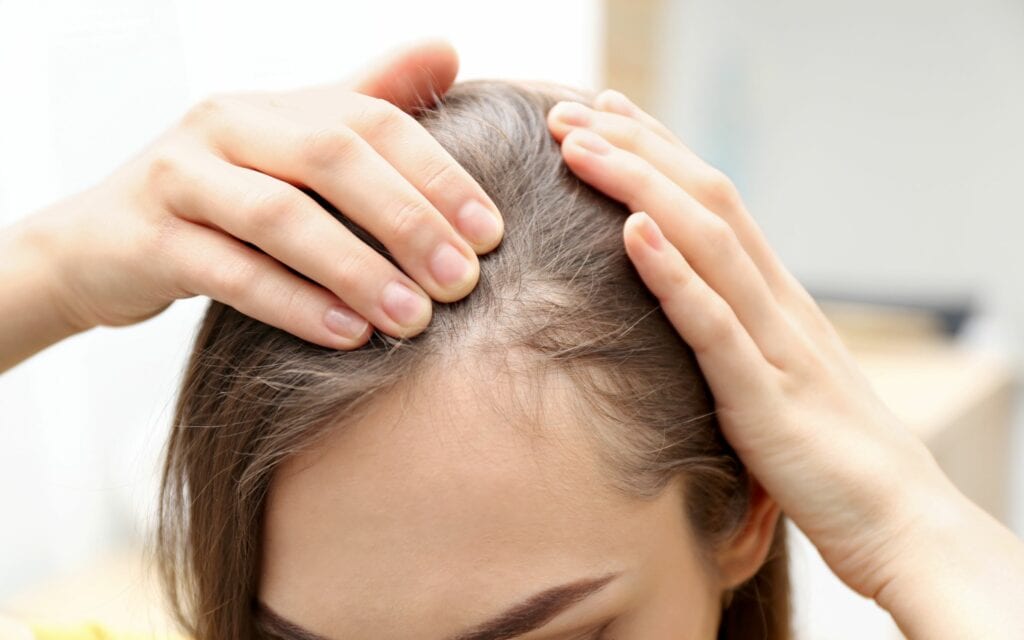
Welcome to The Derm Spot, your trusted source for dermatology and skin care advice. If you’ve been battling thinning hair or slow growth you’re not alone. Many people struggle with finding effective solutions that actually deliver results. That’s where laser hair growth caps come in—a cutting-edge option gaining popularity in 2025 for promoting thicker fuller hair.
What Are Laser Hair Growth Caps?
Laser hair growth caps use low-level laser therapy (LLLT) to stimulate hair follicles and promote thicker, fuller hair. These wearable devices offer hands-free treatment, making hair growth more convenient.
Comment fonctionnent-ils ?
Laser hair growth caps emit low-level laser light that penetrates the scalp. This light increases blood circulation and stimulates cellular activity in hair follicles. Improved circulation delivers more oxygen and nutrients, encouraging hair growth and reducing hair thinning.
- Boosts cellular metabolism to reactivate dormant follicles
- Extends the anagen (growth) phase of the hair cycle
- Reduces inflammation around follicles that can inhibit growth
You typically wear the cap for 15–30 minutes, 3–5 times a week. Consistent use helps maintain results. Hair growth effects usually appear after 12 to 16 weeks, depending on individual hair health and underlying causes of thinning.
Key Technologies Behind the Caps
Laser hair growth caps incorporate several key technologies focused on effective and safe hair therapy:
| Technology | Description |
|---|---|
| Low-Level Laser Therapy (LLLT) | Uses red light wavelengths (600–900 nm) to stimulate scalp cells without heat damage |
| LED Light Arrays | Consist of multiple diodes to cover the entire scalp area for uniform treatment |
| Rechargeable Batteries | Provide portability for convenient, wireless use |
| Adjustable Fit Design | Ensures close scalp contact to maximize laser penetration |
| Safety Sensors | Automatically shut off to prevent overexposure or misuse |
These technologies combine to offer a non-invasive, drug-free treatment option for hair thinning and loss. Laser caps complement your existing hair care routine, including dermatological treatments found at Le Derm Spot Dermatologie.
Explore more on maintaining scalp health in our Hair Health category for tips that optimize hair growth alongside advanced devices like laser caps.
Benefits of Using Laser Hair Growth Caps
Laser hair growth caps provide an effective, hands-free solution for stimulating thicker, fuller hair. You can incorporate these caps into your routine to target hair thinning without invasive procedures or medication.
Promoting Thicker and Fuller Hair
Laser hair growth caps use low-level laser therapy (LLLT) to activate hair follicles and enhance scalp circulation. This stimulation supports the natural hair growth cycle and reverses signs of thinning. Here’s how they promote healthier hair:
- Stimulate Dormant Follicles: LLLT increases cellular activity in follicles, helping reactivate those in a resting phase.
- Extend Anagen Phase: The caps prolong the hair growth phase, allowing hair strands to grow longer and stronger.
- Reduce Scalp Inflammation: Laser light can calm inflammation that harms follicles, creating a better environment for hair growth.
- Enhance Blood Flow: Improved circulation delivers essential nutrients and oxygen to hair follicles, supporting thicker growth.
Many users observe noticeable improvements in hair density and fullness within 12-16 weeks of regular use. Consistent application as recommended, usually 15-30 minutes 3-5 times per week, maximizes results while maintaining scalp health.
Non-Invasive and Safe Treatment Options
Laser hair growth caps offer a safe alternative compared to surgical or pharmaceutical treatments. The procedure is entirely non-invasive and free from harsh chemicals or systemic side effects. Important safety features include:
- Low Heat Emission: The laser devices emit warm light but avoid exceeding safe temperature levels to protect scalp tissue.
- Adjustable Fit and Sensors: Caps come with adjustable designs and safety sensors that pause operation if removed or misaligned.
- Drug-Free Therapy: LLLT avoids the risks associated with hair loss medications like finasteride and minoxidil.
- Minimal Discomfort: Most users report comfortable sessions without pain or irritation.
Your dermatologist can guide you if you have conditions affecting scalp sensitivity or active skin infections, which may require specialized care. Using laser caps alongside a scalp-healthy routine including gentle cleansing and hydration optimizes outcomes.
For more detailed advice on maintaining scalp and hair health, explore resources in the Hair Health category et Catégorie dermatologie to better understand advanced hair treatments and everyday care strategies.
Choosing the Right Laser Hair Growth Cap in 2025
Selecting the right laser hair growth cap suits your scalp condition, hair type, and lifestyle. This guide highlights essential features and popular models to help you make an informed choice.
Top Features to Look For
Evaluate the following features to ensure effectiveness and comfort in your laser hair growth cap:
- Laser Technology Type
Choose caps using low-level laser therapy (LLLT) with clinically proven wavelengths, typically between 630-670 nm, which penetrate the scalp and stimulate hair follicles. Avoid devices relying solely on LED light, as they may be less effective for hair stimulation.
- Number of Laser Diodes
Caps with 100 to 250 diodes deliver better scalp coverage and more consistent treatment. A higher diode count improves chances of activating dormant follicles across the entire scalp.
- Adjustable Fit and Comfort
Look for adjustable designs with flexible materials to fit various head sizes. Comfort matters since you’ll wear the cap for 15–30 minutes per session, 3–5 times weekly. Breathable fabrics reduce sweat buildup and irritation.
- Battery Life and Rechargeability
Opt for models with rechargeable lithium-ion batteries that offer at least 2 full treatments per charge. Portable and cordless caps add convenience for use on the go.
- Safety Features
Ensure the cap includes built-in safety sensors that prevent overheating or overuse. FDA clearance or certification from reputable health authorities signals adherence to safety and efficacy standards.
- User Interface and Timer
Simple controls with timers enable consistent session lengths to avoid under or over-treatment. Some models offer smartphone connectivity to track usage and progress.
Popular Brands and Models
Brands leading in 2025 focus on advanced technology, user comfort, and clinical validation:
| Brand | Model | Laser Diodes | Battery Life | Key Features | Approximate Price (USD) |
|---|---|---|---|---|---|
| iGrow | iGrow Pro | 273 | 2 x 30-minute sessions | FDA-cleared, remote control, adjustable fit | $595 |
| HairMax | HairMax Laser Band 82 | 82 | 3 x 90-second sessions | FDA-cleared, lightweight, rechargeable battery | $395 |
| Capillus | CapillusUltra | 82 | 2 x 6-minute sessions | Portable cap style, FDA-cleared, flexible fit | $799 |
| Theradome | Theradome PRO LH80 | 80 | 8 minutes per session | Cordless, FDA-cleared, high diode density | $895 |
| Kiierr | Kiierr Laser Cap 272 | 272 | 30 minutes per session | Adjustable fit, rechargeable, FDA-cleared | $650 |
The iGrow Pro et Kiierr Laser Cap 272 stand out for their high diode count, full scalp coverage, and user-friendly design. They suit users seeking hands-free treatment with clinical backing and durable construction.
Considering Your Scalp and Hair Type
Evaluate your scalp sensitivity, hair density, and hair loss pattern when narrowing down options. If you have an especially sensitive or inflamed scalp, choose caps with soft linings and low heat emission. For diffuse thinning, higher diode counts and wider coverage improve results. Focused thinning or bald spots may benefit from targeted laser bands like HairMax.
When to Consult a Dermatologist
Before starting laser hair growth therapy, consult your dermatologist if you experience:
- Scalp infections, eczema, or psoriasis
- Recent scalp surgery or injury
- Sudden, rapid hair loss
- Use of medications contraindicating laser treatment
Professional advice helps confirm diagnosis, rule out underlying scalp diseases, and tailor treatment plans combining laser therapy with other interventions like topical minoxidil or prescription medications. Explore additional hair health advice at The Derm Spot Hair Health.
Additional Care Tips for Optimal Results
- Maintain a scalp-healthy routine using gentle cleansers and moisturizers. See Santé de la peau pour les produits recommandés.
- Avoid heavy styling products or heat tools that can stress hair follicles.
- Incorporate scalp massages to enhance circulation alongside laser treatments.
- Follow consistent treatment schedules to maximize hair regrowth potential.
Choosing the right laser hair growth cap creates a non-invasive, drug-free path to thicker, fuller hair. Combined with proper scalp care and professional guidance, it offers a promising approach to managing hair thinning in 2025. For more on skincare and cosmetic advancements, visit The Derm Spot Cosmetic Treatments.
How to Use Laser Hair Growth Caps Effectively
Using laser hair growth caps consistently and correctly enhances your chances of achieving thicker, fuller hair. This section outlines the best practices to optimize treatment and maximize results.
Recommended Usage Guidelines
Low-level laser therapy (LLLT) caps require specific usage patterns to stimulate hair follicles efficiently. Follow these key guidelines:
- Session Duration: Use the cap for 15 to 30 minutes per session. Avoid exceeding 30 minutes to prevent scalp irritation.
- Frequency: Wear the cap 3 to 5 times weekly. Consistent use fits into most schedules and supports steady hair follicle stimulation.
- Positioning: Place the cap directly on your scalp to ensure laser diodes deliver light evenly across thinning areas. Adjust fit using built-in straps or bands for full scalp contact.
- Dry Scalp: Use the cap on a dry, clean scalp. Moisture or products can interfere with laser penetration.
- Avoid Overuse: Do not use the cap multiple times daily. Too frequent treatments can cause scalp sensitivity without improving results.
- Charging and Maintenance: Fully charge rechargeable caps before sessions. Clean the cap’s interior regularly with a soft, dry cloth to maintain hygiene and performance.
If you experience scalp discomfort or redness, reduce each session by 5 minutes. If irritation persists, consult a dermatologist for personalized guidance on incorporating laser therapy into your hair care routine. More information about scalp health and dermatology can be found at The Derm Spot’s Dermatology category.
Tips for Maximizing Results
Optimizing your use of laser hair growth caps involves more than following basic instructions. Incorporate these tips to enhance hair growth stimulation and maintain scalp health:
- Consistency is Critical: Treat your scalp regularly. Hair follicle cycles respond best to steady stimulation over months. Skip sessions less frequently than recommended.
- Combine with Scalp Care: Maintain a scalp-healthy routine. Use gentle shampoos free from sulfates and harsh chemicals. Avoid heavy styling products that clog follicles. Visit Santé des cheveux for product recommendations.
- Avoid Heat and Styling Tools: Minimize heat styling and chemical treatments that cause scalp inflammation and damage hair follicles.
- Massage During Sessions: Gently massaging your scalp before or after wearing the cap improves blood circulation. Increased blood flow delivers nutrients essential for hair growth.
- Monitor Your Progress: Track hair density and thickness over 12 to 16 weeks. Take monthly photos and note improvements or concerns to discuss with your dermatologist.
- Maintenir une alimentation équilibrée : Support hair health with diets rich in vitamins A, C, D, E, zinc, and biotin. Nutritional support complements laser therapy effects.
- Be Patient: Results appear gradually. Hair follicles require time to reactivate and enter the growth phase. Expect visible changes after 3 to 4 months of consistent use.
- Consult Professionals: Discuss your hair loss causes and treatment plan with a dermatologist, especially if you have underlying scalp conditions or rapid hair loss. Find expert advice in The Derm Spot’s Hair Health category.
Use these strategies to harness the full potential of laser hair growth caps while maintaining optimal scalp health. For guidance on complementary skin and scalp treatments, explore Santé de la peau et Traitements cosmétiques ressources.
Effets secondaires potentiels et précautions
Understanding potential side effects and precautions helps you use laser hair growth caps safely while promoting thicker hair. Awareness of risks linked to this technology supports informed decisions and effective hair care.
Who Should Avoid Laser Hair Growth Caps?
Laser hair growth caps use low-level laser therapy (LLLT) to stimulate hair follicles but aren’t suitable for everyone. You should avoid using these caps if any of the following apply:
- Pregnant or breastfeeding women: The effects of LLLT on these groups lack sufficient research.
- Individuals with photosensitivity disorders: Conditions like lupus or porphyria increase sensitivity to light, potentially causing adverse reactions.
- People using photosensitizing medications: Drugs such as certain antibiotics, retinoids, or chemotherapy agents increase risk of scalp burns or irritation.
- Those with active scalp infections or skin conditions: Conditions like psoriasis, eczema, or fungal infections may worsen with laser exposure.
- Individuals with a history of skin cancer or malignant scalp lesions: The safety of LLLT in these cases remains uncertain.
- Persons with implanted electronic devices: Devices like pacemakers may interfere with laser cap function.
Assessing your scalp’s health and your medical history with a dermatologist ensures safe use. If you experience unusual redness, swelling, or pain, discontinue use and seek medical advice.
Considérations de sécurité
Laser hair growth caps offer a non-invasive method for stimulating hair growth but require precautions to prevent side effects and maximize effectiveness. Consider the following:
1. Follow Manufacturer’s Instructions
Each device comes with specific guidelines for session duration, frequency, and cap positioning. Using the cap longer or more often than recommended does not accelerate results and may increase scalp irritation.
2. Maintain Scalp Hygiene
Use the cap on a clean, dry scalp. Excess oils, styling products, or sweat reduce laser penetration and raise the risk of infection or inflammation.
3. Avoid Direct Eye Exposure
Low-level laser light may cause eye damage if directly exposed. Caps include safety sensors that switch off lasers if not worn correctly but avoid looking directly at the lasers during use.
4. Start with Lower Intensity Settings
If adjustable, begin at the lowest intensity to assess tolerance. Gradually increase only if no irritation develops.
5. Monitor for Side Effects
Common side effects include mild scalp redness, itching, or dryness. These typically resolve quickly after use but consult a dermatologist if symptoms persist or worsen.
6. Limit Use with Other Scalp Treatments
Avoid combining laser caps simultaneously with harsh chemical treatments such as strong topical minoxidil or corticosteroids unless advised by a healthcare provider.
7. Know When to Stop
Stop use immediately if experiencing burns, blistering, severe scalp pain, or signs of infection such as pus and swelling.
Effets secondaires courants
Side effects of laser hair growth caps remain rare when following precautions. Potential issues include:
| Side Effect | Description | Fréquence | Gestion |
|---|---|---|---|
| Scalp Redness | Mild erythema following treatment | Common | Cool compress, avoid sun exposure |
| Itching or Dryness | Temporary irritation or dryness | Common | Use gentle scalp moisturizers |
| Scalp Sensitivity | Heightened sensitivity or tenderness | Less common | Reduce session time or intensity |
| Headache | Mild headache after sessions | Rare | Ensure proper hydration |
| Temporary Shedding | Initial increased hair loss before regrowth | Less common | Continue treatment while monitoring |
Awareness of these side effects helps you respond promptly and adjust usage as needed.
Practical Daily Care Tips When Using Laser Hair Growth Caps
Incorporating good scalp and hair care routines enhances the benefits of laser therapy. To support hair health during treatment:
- Clean your scalp regularly with gentle, sulfate-free shampoos to avoid clogging follicles.
- Avoid heavy styling products that create residue and reduce laser light penetration.
- Use scalp moisturizers with ingredients like niacinamide or aloe vera to soothe and hydrate without irritation (learn more about beneficial ingredients ici).
- Maintain a balanced diet rich in vitamins like biotin, zinc, and vitamin D to support hair follicle health.
- Perform gentle scalp massages before sessions to improve local blood flow and enhance laser effects.
- Protect your scalp from excessive sun exposure, which can damage hair follicles and skin.
Consistent scalp care complements laser therapy and contributes to thicker, fuller hair.
Quand demander l'avis d'un professionnel
Consult a dermatologist or hair specialist in these situations:
- Persistent scalp redness, pain, or inflammation after several treatments.
- Sudden, rapid hair loss or scalp changes during use.
- Pre-existing scalp conditions such as dermatitis, psoriasis, or infections.
- Concerns about combining laser therapy with other hair loss treatments or medications.
- Need for personalized hair health assessment or alternative treatments.
Professional guidance personalizes your hair restoration approach and ensures safety.
For further insights on hair care and scalp health, explore Santé des cheveux et Dermatologie categories on The Derm Spot.
Related Terms:
- Low-level laser therapy (LLLT)
- Scalp inflammation
- Photosensitivity
- Hair follicle stimulation
- Scalp care routine
Comparing Laser Hair Growth Caps With Other Hair Loss Treatments
Choosing the right hair loss treatment requires understanding how laser hair growth caps stack up against other options. Each method varies in approach, cost, time investment, and results. This section guides you through these comparisons to help you find the most suitable solution for thicker, fuller hair.
Advantages Over Traditional Methods
Laser hair growth caps use low-level laser therapy (LLLT) to stimulate hair follicles, offering several distinct benefits compared to conventional treatments.
- Non-invasive and drug-free: Unlike topical treatments (e.g., minoxidil) or oral medications (e.g., finasteride), laser caps don’t involve chemicals or surgeries. This reduces risks of side effects like scalp irritation or systemic reactions.
- Hands-free convenience: Wearing the cap requires no manual application or ongoing maintenance during use, unlike serums and foams which need daily application.
- Consistent stimulation: Laser caps deliver uniform light therapy across the scalp, targeting multiple follicles simultaneously, while topical or injection-based therapies might miss areas.
- Extended anagen phase support: LLLT enhances blood flow and cellular metabolism, directly encouraging the hair growth phase to last longer.
- Suitable for sensitive scalps: Those with sensitivity or allergies to medication ingredients find laser caps a gentler alternative.
- Minimal discomfort: The use of low-level lasers produces little to no heat and no pain, contrasting with invasive procedures like hair transplants.
You might consider laser hair growth caps when you want a safe, easy-to-use device without the daily hassle or side effects common in pharmaceutical methods. For those exploring skin and hair health deeper, check resources like The Derm Spot’s Hair Health category et Perspectives en dermatologie.
Cost and Time Investment
Budget and lifestyle compatibility play key roles when selecting a hair loss solution. Here’s a comparison between laser hair caps and other treatment types:
| Type de traitement | Average Cost Range (USD) | Fréquence d'utilisation | Typical Time to Noticeable Results | Maintenance Requirements |
|---|---|---|---|---|
| Laser Hair Growth Caps | $300 – $800 (one-time) | 15-30 minutes, 3-5 times/week | 12-16 weeks | Recharge and clean device regularly |
| Topical Treatments (Minoxidil) | $20 – $60/month | Daily application | 3-6 months | Daily application, scalp cleanliness |
| Oral Medications (Finasteride) | $30 – $70/month | Daily pill | 3-6 months | Prescription required, monitor side effects |
| Chirurgie de transplantation capillaire | $4,000 – $15,000 (one-time) | One procedure | Several months for full results | Post-surgical care, possible future sessions |
| PRP Therapy | $500 – $1,500 per session | Monthly or quarterly | 3-6 months | Multiple sessions, physician visits |
- Laser hair growth caps cost includes a one-time purchase with no ongoing medication expenses, making it more economical long term compared to monthly topical or oral treatments.
- Time investment remains moderate; while daily topical or pill routines demand constant commitment, laser caps simply require scheduled sessions totaling 45 to 150 minutes per week.
- Result timeline aligns with most non-surgical approaches: expect to see visible changes around 3 to 4 months, provided consistent use.
- Maintenance involves routine device care rather than ongoing treatment purchase or physician visits, streamlining your hair care regimen.
If you need tailored treatment options considering your scalp’s health or underlying conditions influencing hair loss, consulting a dermatologist is crucial. For guidance, explore our resources under Santé de la peau et Traitements cosmétiques.
When weighing your choices, consider factors such as scalp sensitivity, risk tolerance, budget, and daily scheduling before committing to a treatment plan. Laser hair growth caps stand out for their convenience, safety, and non-invasive nature, making them an increasingly favored option for managing thinning hair in 2025.
Conclusion
Laser hair growth caps offer a convenient and effective way to support thicker fuller hair without invasive treatments. By integrating this technology into your routine you can stimulate your scalp and promote healthier hair growth over time.
Remember that consistency and proper scalp care play key roles in achieving the best results. If you have any concerns or specific scalp conditions consulting a dermatologist will help tailor the right approach for your needs. Embracing these advancements in 2025 means taking control of your hair health with confidence and ease.
Questions fréquemment posées
What is a laser hair growth cap and how does it work?
A laser hair growth cap uses low-level laser therapy (LLLT) to stimulate hair follicles by improving blood circulation and cellular activity in the scalp. This promotes thicker, fuller hair by reactivating dormant follicles, extending hair growth phases, and reducing inflammation.
How often should I use a laser hair growth cap?
It’s recommended to wear the cap for 15–30 minutes, 3–5 times a week. Consistent use over 12 to 16 weeks is usually needed to see noticeable results.
Are laser hair growth caps safe to use?
Yes, they are generally safe, non-invasive, and drug-free. They emit low heat and include safety sensors. However, people with scalp infections, photosensitivity, or certain medical conditions should consult a dermatologist before use.
Who should avoid using laser hair growth caps?
Pregnant or breastfeeding women, individuals with photosensitivity disorders or on photosensitizing medications, and those with active scalp infections or a history of skin cancer should avoid using these caps without medical advice.
How do laser hair growth caps compare to other hair loss treatments?
Laser caps offer a non-invasive, hands-free, and drug-free alternative with minimal discomfort, unlike surgery or medications. While they have a one-time cost, other treatments may require ongoing expenses and daily use.
Can I use styling products while using a laser hair growth cap?
It’s best to avoid heavy styling products during treatment, as they can affect scalp health and reduce the effectiveness of the laser therapy. Keep the scalp clean and product-free for optimal results.
How do I choose the right laser hair growth cap for me?
Consider laser technology type, number of laser diodes, adjustable fit, battery life, safety features, and ease of use. Consulting a dermatologist to match the cap to your hair type and scalp condition can be helpful.
When will I see results from using a laser hair growth cap?
Users typically notice improvements in hair thickness and fullness after 12 to 16 weeks of consistent use, though individual results may vary.
What additional care should I take to improve hair growth with a laser cap?
Maintain a healthy scalp routine, avoid harsh styling products, consider gentle scalp massages, eat a balanced diet, and be patient. Consult professionals for personalized advice if you have scalp conditions.
Can laser hair growth caps cause side effects?
Side effects are rare but may include mild scalp redness or itching. Following instructions, maintaining hygiene, and avoiding direct eye exposure help minimize risks. Discontinue use and consult a doctor if adverse reactions occur.