Welcome to The Derm Spot, your trusted source for dermatology and skin care advice. Ever struggled with greasy or heavy sunscreens that leave your skin feeling clogged? Water-based sunscreens might be the game-changer you’re looking for. These lightweight formulas offer effective sun protection without the sticky residue, making them perfect for daily wear and sensitive skin.
In this article, you’ll discover why water-based sunscreens are gaining popularity and how they compare to traditional oil-based options. Understanding terms like SPF and broad-spectrum protection will help you choose the right product for your skin type. Let’s dive into everything you need to know to keep your skin safe and fresh under the sun.
What Are Water-Based Sunscreens?
Water-based sunscreens provide effective sun protection using a lightweight formula that absorbs quickly into your skin or hair without leaving a greasy residue. These sunscreens suit daily use, especially if you prefer a non-sticky finish or have sensitive skin.
Key Ingredients and How They Work
Water-based sunscreens rely on a combination of active ingredients dissolved or suspended in water to shield your skin or hair from UV damage. Common ingredients include:
- Physical blockers: Zinc oxide and titanium dioxide deflect UVA and UVB rays by forming a protective barrier.
- Chemical filters: Avobenzone, octocrylene, and homosalate absorb UV radiation to prevent skin damage.
- Hydrating agents: Glycerin and hyaluronic acid boost moisture retention; they support skin barrier repair during sun exposure.
- Emollients: Lightweight silicones or esters create a smooth texture without heaviness.
- Antioxydants : Vitamins C and E neutralize free radicals generated by UV exposure, aiding in skin protection.
These ingredients work synergistically to protect your skin’s collagen and elastin, prevent sunburn, and reduce long-term risks like premature aging or skin cancer. Water acts as a carrier improving absorption and reducing the risk of pore-clogging.
Differences Between Water-Based and Oil-Based Sunscreens
Water-based and oil-based sunscreens differ significantly in composition, texture, and skin or hair compatibility:
| Fonctionnalité | Water-Based Sunscreens | Oil-Based Sunscreens |
|---|---|---|
| Base Ingredient | L'eau | Oils (e.g., coconut, mineral oil) |
| Texture | Lightweight, non-greasy | Thicker, heavier |
| Absorption | Fast absorption, dries quickly | Slower absorption, leaves oily residue |
| Best for Skin Types | Oily, acne-prone, sensitive | Dry, mature skin seeking hydration |
| Suitability for Hair | Light mist sprays ideal for scalp and strands | Can weigh hair down or make it greasy |
| Removal | Easier to wash off with water-based cleansers | Requires oil-based removers |
| Longevity on Skin | May require more frequent reapplication | Longer-lasting but can feel heavy |
Choosing depends on your skin or hair type, activity level, and desired finish. Water-based sunscreens fit better for oily or combination skin and daily hair protection from UV damage, avoiding buildup that may cause breakouts or scalp irritation.
Related Terms to Know
- SPF (Sun Protection Factor): Measures protection against UVB rays causing sunburn.
- Broad-Spectrum Protection: Indicates coverage against UVA and UVB rays to prevent aging and skin cancers.
- Non-Comedogenic: Label for formulas that don’t block pores, important in water-based options.
For more on key skincare ingredients and their roles, visit Ingrédients des soins de la peau de A à Z.
Following proper sun protection routines supports your skin health. Explore advice tailored to your skin and hair at Le Derm Spot Dermatologie et Santé de la peau. For hair care tips involving sunscreen use, check Santé des cheveux.
Benefits of Water-Based Sunscreens
Water-based sunscreens provide effective sun protection while addressing common concerns around comfort and skin compatibility. You gain several advantages when you choose these formulas, especially for daily wear on sensitive or oily skin and through environmentally conscious options.
Lightweight and Non-Greasy Feel
Water-based sunscreens absorb quickly into your skin without leaving a greasy residue or sticky film. This lightweight texture suits daily application under makeup or after moisturizing routines. Key benefits include:
- Fast absorption that prevents pore clogging and shine, ideal for combination or oily skin types.
- Non-sticky finish, allowing your skin to breathe freely, which reduces breakouts or irritation risk.
- Comfortable wear during hot, humid weather or active days, supporting prolonged sun protection.
- No white cast, thanks to clear formulas often containing physical blockers like zinc oxide in micronized form.
Choosing water-based sunscreens prevents the heaviness or shiny buildup common with oil-based options, keeping your skin feeling fresh. For more on skincare ingredients, see Ingrédients des soins de la peau de A à Z.
Suitable for Sensitive and Oily Skin Types
Water-based sunscreens work well on sensitive and oily skin because they rely on water as the primary solvent with minimal oils or emollients. This reduces the chance of irritation and excess oiliness. Benefits include:
- Reduced acne risk: Non-comedogenic formulas limit pore blockage and sebum buildup.
- Gentle hydration: Hydrating agents like glycerin and hyaluronic acid soothe sensitive skin without causing redness or inflammation.
- Balanced moisture: Emollients in low concentrations maintain skin barrier function without overloading the skin.
- Protection UV: Broad-spectrum SPF shields skin from UVA and UVB rays without triggering sensitivity.
If your skin experiences frequent redness, breakouts, or oiliness, incorporating water-based sunscreens into your routine can help maintain skin health. Visit Dermatologie for expert advice on managing sensitive or oily skin.
Environmentally Friendly Formulations
Many water-based sunscreens focus on eco-friendly ingredients that minimize environmental impact, especially in marine ecosystems sensitive to chemical pollutants. These formulations often exclude harmful UV filters and embrace biodegradable or reef-safe components. Advantages include:
- Reduced aquatic toxicity, safeguarding coral reefs and marine life.
- Use of mineral filters such as zinc oxide and titanium dioxide that physically block UV rays without complex chemical processes.
- Free from oxybenzone and octinoxate, common environment-harmful chemicals.
- Support sustainable skincare, addressing concerns about packaging, biodegradability, and ethical sourcing.
Switching to environmentally conscious sunscreens aligns your skin care routine with broader goals of sustainability and ecological responsibility. Learn about gentle body products at Soins du corps that pair well with water-based sunscreen use.
Practical Tips for Daily Use of Water-Based Sunscreens
- Apply liberally 15 minutes before sun exposure and reapply every 2 hours or after swimming or sweating.
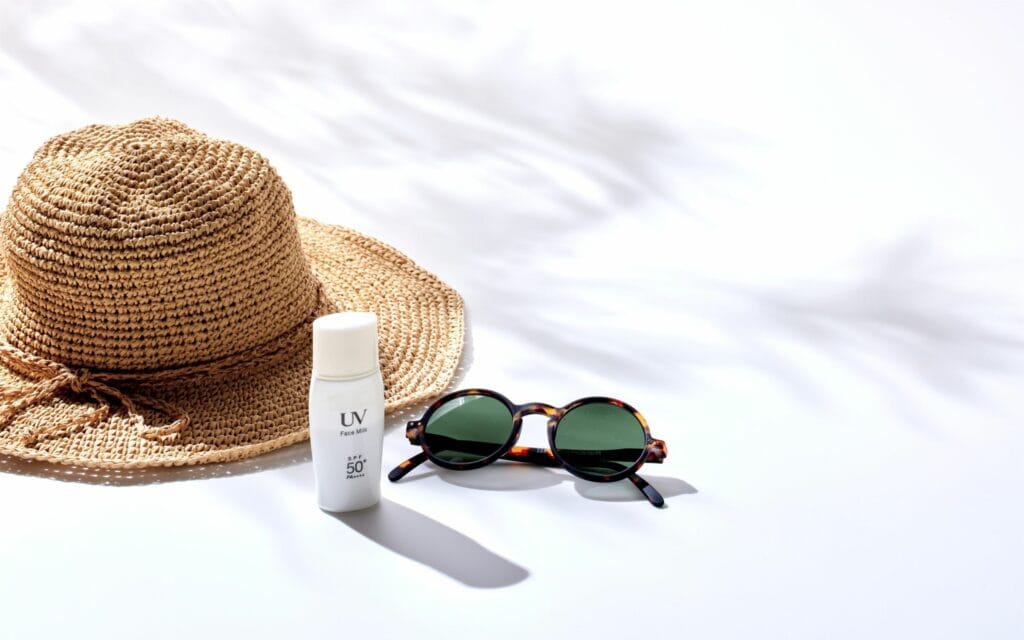
- Combine with physical barriers like hats and sunglasses for comprehensive protection.
- Use under makeup or moisturizer for seamless integration into your skincare.
- Store in cool areas to maintain formula stability, especially in warm climates.
If you react to sunscreens or experience persistent skin issues, seek professional guidance. Dermatologists can offer patch testing and recommend formulations tailored to your skin needs. Browse Santé de la peau for more practical skin protection advice.
Summary of Benefits
| Benefit | Description | Suitable For |
|---|---|---|
| Lightweight texture | Fast-absorbing, non-greasy, no sticky residue | Daily wear, oily skin |
| Sensitive skin compatibility | Soothes without irritation, non-comedogenic | Sensitive and reactive skin |
| Environmental safety | Reef-safe, mineral UV blockers, eco-conscious ingredients | Eco-aware consumers |
You gain a dermatologist-approved option for comfortable, effective UV protection with water-based sunscreens. Their focus on skin-friendly ingredients and reduced environmental harm supports both your skin’s and the planet’s health. For further tailored routines and treatment options, explore Traitements cosmétiques et Santé des cheveux for complementary sun protection strategies.
How to Choose the Right Water-Based Sunscreen
Selecting the ideal water-based sunscreen hinges on understanding key factors related to sun protection, your skin type, and daily activities. These elements ensure effective UV defense without compromising comfort or skin health.
Understanding SPF Ratings
SPF (Sun Protection Factor) indicates how well a sunscreen shields your skin from UVB rays, which cause sunburn and contribute to skin cancer.
- Choose SPF 30 or higher for daily use, as it blocks about 97% of UVB rays.
- Opt for SPF 50 or above if you spend extended time outdoors or have fair skin prone to burning.
- Remember, no sunscreen blocks 100% of UVB rays, so combining sunscreen with physical barriers like hats and clothing boosts protection.
- Apply sunscreen liberally, about one ounce (enough to fill a shot glass) for full body coverage.
SPF ratings focus on UVB protection but don’t reflect UVA defense, which also damages skin and accelerates aging.
Checking for Broad-Spectrum Protection
Broad-spectrum labels ensure coverage against both UVA and UVB rays. UVA rays penetrate deeper, contributing to premature aging and increasing skin cancer risk.
- Select water-based sunscreens explicitly marked “broad-spectrum.”
- Look for physical blockers like zinc oxide or titanium dioxide, which provide broad UV protection.
- Confirm presence of chemical filters such as avobenzone or ecamsule to supplement UVA defense, especially in water-based formulas.
- Review the product’s ingredient list to avoid harmful UV filters that threaten marine ecosystems.
Broad-spectrum sunscreens support long-term skin health, particularly when used in daily skincare routines.
Considering Skin Type and Activity Level
Your skin type and typical activities influence the best water-based sunscreen choice:
| Skin Type/Activity | Recommended Features | Avantages |
|---|---|---|
| Oily or acne-prone skin | Non-comedogenic, oil-free, mattifying agents | Reduces breakouts, avoids greasy residue |
| Sensitive skin | Fragrance-free, hypoallergenic, enriched with antioxidants | Minimizes irritation, soothes the skin |
| Peau sèche | Contains hydrating agents like glycerin or hyaluronic acid | Prevents dryness, maintains skin moisture |
| Outdoor sports | Water-resistant, sweat-proof, high SPF | Maintains protection during sweating and water exposure |
| Everyday city use | Lightweight, fast-absorbing, blends well under makeup | Ensures comfort and cosmetic compatibility |
Adjust sunscreen type based on your environment and activity intensity to maintain effective sun defense.
Additional Tips for Optimal Use
- Apply water-based sunscreen 15 minutes before sun exposure to allow absorption.
- Reapply every two hours or immediately after swimming or excessive sweating.
- Pair with other protective measures like wide-brim hats and UV-protective clothing.
- Store sunscreen in cool, dry places to preserve ingredient efficacy.
Seek professional advice from dermatologists if you experience persistent skin irritation, allergic reactions, or signs of sun damage despite sunscreen use. For more on personalized skincare, explore dermatology and skin health resources at The Derm Spot.
Related terms: UV protection, sunburn prevention, non-comedogenic sunscreens, skin hydration, environmental safety
Explore additional insights in Dermatologie, Santé de la peau, et Ingrédients des soins de la peau de A à Z for comprehensive advice tailored to your skincare routine.
Application Tips for Maximum Protection
Applying water-based sunscreens correctly enhances their effectiveness in protecting your skin and hair from UV damage. Following specific practices ensures optimal coverage and lasting defense during sun exposure.
Proper Amount and Frequency of Application
Apply a sufficient amount of water-based sunscreen evenly over all exposed skin, including often-missed areas like ears, neck, and the back of hands. Use about 1 ounce (roughly a shot glass) to cover your entire body for adequate protection. For your face and scalp, apply a nickel-sized amount to each area.
Reapply every two hours or immediately after swimming, sweating, or towel drying to maintain continuous UV protection. Water-resistant formulas help retain protection during physical activities but still require timely reapplication.
| Step | Details |
|---|---|
| Amount | 1 ounce for full body; nickel size for face/scalp |
| Coverage | Include ears, neck, hairline, and hands |
| Fréquence | Every 2 hours or after swimming/sweating |
| Timing | Apply 15 minutes before sun exposure |
Follow these guidelines closely, as inadequate quantity or infrequent application reduces sunscreen efficacy, increasing risks of sunburn, premature aging, and skin cancer.
Combining with Other Skincare Products
Layering water-based sunscreens with other skincare products impacts absorption and protection levels. For best results:
- Apply hydrating serums or moisturizers first, especially those containing ingredients such as hyaluronic acid or glycerin, which complement the hydration in water-based formulas.
- Ensure facial oils or heavy creams absorb fully before applying sunscreen to avoid a greasy barrier that blocks UV filters.
- Use non-comedogenic or fragrance-free options if you have oily or sensitive skin to prevent irritation and clogged pores.
Consider makeup with SPF after sunscreen application for additional defense, but don’t skip the initial layer. Avoid using chemical exfoliants like AHAs or BHAs immediately before sun exposure unless you use extra protection, since they increase photosensitivity.
For hair protection, apply water-based sunscreens or sprays designed for scalp and strands, especially if you have thinning hair or spend extended time outdoors. These products reduce UV-related hair damage, such as color fading and brittleness.
Maintaining a consistent skincare routine integrating water-based sunscreens supports both skin and hair health by strengthening your protection against UV radiation. For detailed ingredient information and product recommendations, review the Ingrédients des soins de la peau de A à Z category or explore related tips under Santé de la peau et Santé des cheveux.
Top Water-Based Sunscreens on the Market
Selecting water-based sunscreens that protect your skin and hair effectively enhances your daily sun defense routine. These formulations avoid greasy residue while providing strong UV protection, ideal for skin prone to oiliness or sensitivity and hair exposed to sunlight.
Best Picks for Daily Use
Water-based sunscreens designed for everyday wear focus on lightweight, non-comedogenic formulas that support skin hydration without clogging pores, making them suitable for frequent application.
- La Roche-Posay Anthelios Clear Skin Dry Touch Sunscreen SPF 60
Features zinc oxide and octocrylene for broad-spectrum UVA/UVB protection. Its mattifying, oil-free formula suits oily and acne-prone skin, absorbing quickly without residue.
- Neutrogena Hydro Boost Water Gel Lotion SPF 30
Contains hyaluronic acid and provides hydration along with SPF protection. The gel texture absorbs rapidly, maintaining moisture balance without heaviness. Ideal for sensitive skin.
- EltaMD UV Clear Broad-Spectrum SPF 46
Formulated with zinc oxide and niacinamide to calm inflammation and protect your face daily. It reduces redness and irritation while shielding from sun damage.
- CeraVe Hydrating Mineral Sunscreen SPF 30
Uses titanium dioxide and zinc oxide, enriched with ceramides and hyaluronic acid to reinforce the skin barrier. It suits dry and sensitive skin by maintaining hydration during sun exposure.
- Neutrogena Sheer Zinc Face Dry-Touch Sunscreen Broad Spectrum SPF 50
Provides mineral sunscreen benefits with a non-greasy feel that’s gentle on sensitive skin types.
| Product Name | Key Ingredients | SPF | Type de peau | Texture |
|---|---|---|---|---|
| La Roche-Posay Anthelios Clear Skin | Zinc oxide, octocrylene | 60 | Oily, acne-prone | Matte, dry touch |
| Neutrogena Hydro Boost Water Gel Lotion | Hyaluronic acid | 30 | Sensitive, normal | Gel |
| EltaMD UV Clear | Zinc oxide, niacinamide | 46 | Sensitive, acne-prone | Lightweight fluid |
| CeraVe Hydrating Mineral Sunscreen | Titanium dioxide, ceramides | 30 | Dry, sensitive | Creamy lotion |
| Neutrogena Sheer Zinc Face Dry-Touch | Zinc oxide | 50 | Sensitive, all types | Dry-touch |
Use these formulations daily by applying about a nickel-sized amount to the face and scalp 15 minutes before sun exposure and reapplying every two hours for sustained protection. Because they absorb quickly and feel light, they layer well under makeup or skincare products such as hydrating serums or moisturizers.
Best Options for Outdoor Activities
Water-based sunscreens for outdoor activities emphasize water resistance and long-lasting protection to shield you during intense sun exposure, sweat, or water contact, all while maintaining a light, comfortable feel.
- Neutrogena Beach Defense Water + Sun Protection SPF 70
Designed specifically for water sports and outdoor activities, this formula provides broad-spectrum protection with water resistance up to 80 minutes. Its lightweight gel dries quickly without stickiness, protecting sensitive skin and scalp alike.
- EltaMD UV Sport Broad-Spectrum SPF 50
Tailored for active use, this sunscreen withstands sweat and water exposure. It contains zinc oxide and enhances skin barrier health, accommodating all skin types, including sensitive skin.
- Blue Lizard Australian Sunscreen, Sensitive SPF 30+
Mineral sunscreen with titanium dioxide and zinc oxide, certified water-resistant for 80 minutes. Free of fragrances and parabens to reduce irritation risks during prolonged outdoor wear.
- Coppertone Sport Sunscreen Lotion SPF 50
Offers durable protection with a water-resistant, non-greasy formula ideal for vigorous activity. It helps protect hairline and scalp, areas often neglected in sun safety routines.
- Supergoop! Play Antioxidant Body Mist SPF 50
A water-based spray that allows quick application on the hair, scalp, and body. It contains antioxidants to combat free radical damage caused by UV exposure and offers water resistance for 80 minutes.
| Product Name | Water Resistance | SPF | Suitable For | Packaging & Application |
|---|---|---|---|---|
| Neutrogena Beach Defense | 80 minutes | 70 | Water sports, active | Gel, easy spread |
| EltaMD UV Sport | 80 minutes | 50 | All skin types, sweaty | Lotion, quick-absorbing |
| Blue Lizard Australian Sensitive | 80 minutes | 30+ | Sensitive skin, outdoor | Cream, mineral-based |
| Coppertone Sport | 80 minutes | 50 | Vigorous activity | Lotion, durable |
| Supergoop! Play Antioxidant Mist | 80 minutes | 50 | Hair, scalp, body | Spray, moisturizing |
To maximize effectiveness, reapply every two hours or immediately after swimming or heavy sweating. Using water-based sprays or lotions on hair and scalp reduces UV-induced dryness and color fading, complementing your skin protection.
Termes connexes : broad-spectrum sunscreen, non-comedogenic sunscreen, mineral sunscreen, water-resistant sunscreen, UV protection
Explore more about skincare ingredients and dermatology best practices in water-based formulations at
Ingrédients des soins de la peau de A à Z et
For tips on protecting scalp and hair from UV damage, visit our Santé des cheveux category and discover daily care routines tailored to your needs.
Conclusion
Choosing the right sunscreen can transform your daily skincare routine. Water-based sunscreens offer a lightweight, comfortable option that suits a variety of skin types, especially if you prefer non-greasy formulas. By understanding how to apply them properly and selecting products tailored to your needs, you can enjoy effective sun protection without sacrificing comfort.
Remember, consistent use and reapplication are key to keeping your skin safe from harmful UV rays. With the right water-based sunscreen, you’re not only protecting your skin but also supporting overall skin health and environmental care. Make it a staple in your skincare arsenal and enjoy the benefits every day.
Questions fréquemment posées
What are water-based sunscreens?
Water-based sunscreens are lightweight formulations that absorb quickly into the skin without leaving a greasy residue. They provide effective sun protection with a non-sticky finish, making them ideal for daily use, especially for oily or sensitive skin types.
How do water-based sunscreens differ from oil-based ones?
Water-based sunscreens use water as a primary base, making them lighter and less oily. Oil-based sunscreens tend to be thicker and can feel greasy. Water-based options absorb faster and are better suited for oily or combination skin.
What does SPF mean on sunscreen labels?
SPF stands for Sun Protection Factor. It measures how well the sunscreen protects against UVB rays, which cause sunburn. Higher SPF numbers offer greater protection, with SPF 30 or above generally recommended.
What is broad-spectrum protection?
Broad-spectrum protection means the sunscreen shields your skin from both UVA and UVB rays. UVA rays contribute to skin aging and long-term damage, while UVB rays primarily cause sunburn.
Are water-based sunscreens good for sensitive skin?
Yes, water-based sunscreens are often better for sensitive skin because they contain fewer oils and irritants. Many are fragrance-free and include soothing ingredients to minimize the risk of irritation.
How often should I reapply water-based sunscreen?
Reapply water-based sunscreen every two hours, or more often if you are swimming, sweating, or towel-drying. This ensures continuous, effective protection from the sun.
Can I use water-based sunscreen on my hair and scalp?
Yes, many water-based sunscreens or sprays are designed for the scalp and hair, offering UV protection without causing buildup, helping to reduce sun damage to hair.
How do I apply water-based sunscreen correctly?
Use about one ounce (a shot glass full) to cover the entire body, a nickel-sized amount for the face, and apply 15 minutes before sun exposure. Reapply every two hours or after swimming or sweating.
Are water-based sunscreens environmentally friendly?
Many water-based sunscreens use biodegradable ingredients and avoid harmful UV filters, making them safer for marine life and coral reefs compared to some traditional sunscreens.
What ingredients are commonly found in water-based sunscreens?
Key ingredients include physical blockers like zinc oxide and titanium dioxide, chemical filters such as avobenzone and octocrylene, hydrating agents like glycerin and hyaluronic acid, plus antioxidants like vitamins C and E to protect and support skin health.