Welcome to The Derm Spot, your trusted source for dermatology and skin care advice. Ever catch yourself staring at those large pores on your nose wondering if there’s a way to shrink them for good? You’re not alone—many people struggle with this common skin concern that can affect your confidence and complexion.
In this comprehensive guide to tackling large pores on your nose in 2025, you’ll discover effective strategies backed by the latest skincare science. From understanding what causes enlarged pores to exploring proven treatments and daily habits, this article will help you take control of your skin’s texture. Say goodbye to pore problems and hello to a smoother, clearer look with insights tailored just for you.
Understanding Large Pores on the Nose
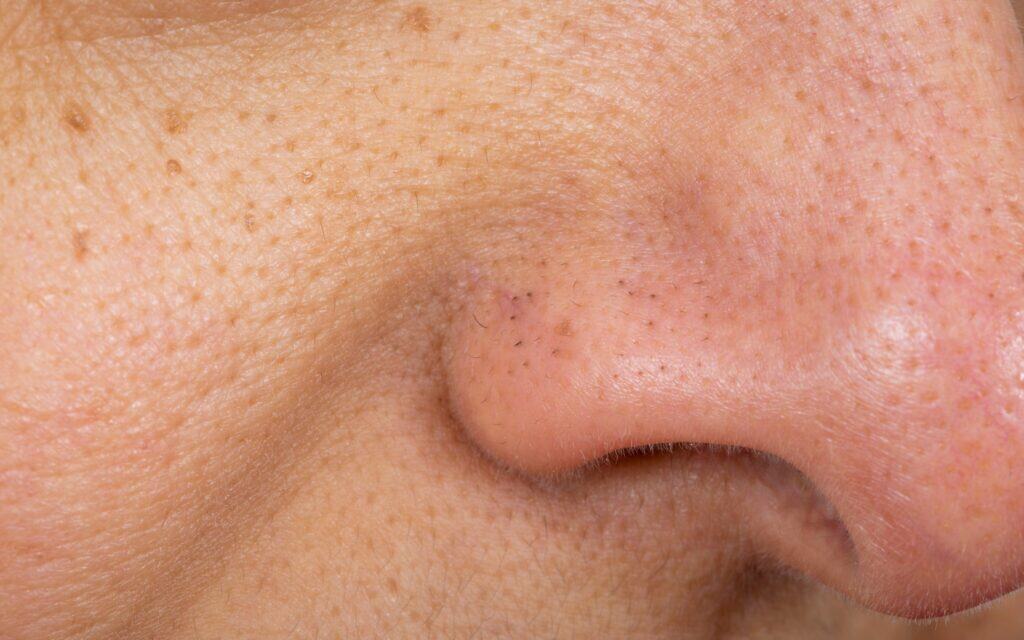
Large pores on the nose affect many people and often cause frustration. Knowing what causes them and understanding common misconceptions helps you tackle this skin concern effectively.
What Causes Large Pores?
Large pores result from various factors related to skin structure and lifestyle:
- Excess Sebum Production: Your nose has numerous oil glands. When these produce excess oil, pores stretch to accommodate the increased flow.
- Genetics: Hereditary traits influence pore size. If your parents have large pores, you’re more likely to have them too.
- Aging: Skin loses elasticity over time, causing pores to appear larger.
- Sun Exposure: Ultraviolet (UV) rays break down collagen and elastin, making skin less firm and pores more visible.
- Clogged Pores: Dirt, dead skin cells, and makeup can block pores. When the skin pushes out the blockage, pores may enlarge.
- Hormonal Changes: Fluctuations during puberty, menstruation, or hormonal treatments increase oil production, enlarging pores.
- Skin Type: Oily and combination skin types often experience more noticeable pores due to higher sebum levels.
Common Myths About Pore Size
Clear up these frequent misunderstandings about pores:
- Myth 1: You Can Shrink Pores Permanently
No topical product can permanently change your pore size. Treatments only temporarily reduce their appearance by cleaning and tightening skin.
- Myth 2: Large Pores Mean Dirty Skin
Pore size depends on biology and skin health, not cleanliness. Over-washing can irritate skin and worsen pore visibility.
- Myth 3: Blackheads Stretch Pores
Blackheads block pores but don’t cause permanent stretching. Removing blackheads properly helps minimize pore appearance.
- Myth 4: Pores Open and Close Like Doors
Pores don’t have muscles to open or close. They may appear smaller when clean and tighter-skinned or larger if clogged and oily.
Apply knowledge about causes and myths to improve your skincare routine and target large nose pores more effectively. Explore treatment options and further skincare guidance on Dermatology and Skin Health to maintain clearer pores and skin texture.
Effective Skincare Routine for Large Pores
Addressing large pores on your nose requires a targeted skincare routine that controls oil, unclogs pores, and supports skin health. A systematic approach combining cleansing, the right ingredients, and exfoliation reduces pore visibility and improves skin texture.
Cleansing Techniques That Work
Effective cleansing holds the foundation for minimizing large pores. Use these techniques consistently:
- Twice Daily Cleanse: Wash your face morning and night to remove dirt, oil, and impurities that clog pores.
- Gentle, Non-Comedogenic Cleanser: Select a cleanser labeled non-comedogenic to prevent pore blockage. Foaming or gel cleansers suit oily or combination skin.
- Use Lukewarm Water: Hot water irritates skin and worsens oil production, while cold water may not remove residue effectively.
- Avoid Over-Cleansing: Excessive washing strips natural oils, triggering more oil production that enlarges pores.
- Pat Dry with a Clean Towel: Avoid rubbing your skin to reduce irritation and inflammation around pores.
For overnight pore care, consider double cleansing if you wear makeup or sunscreen. Use an oil-based cleanser first to break down products, followed by a water-based cleanser to clear remaining debris. Regular cleansing removes excess sebum, a leading factor in enlarged pore appearance.
Best Ingredients to Look For
Choosing skincare products with proven active ingredients targets enlarged pores by reducing sebum, clearing blockages, and promoting skin renewal. Seek these ingredients:
| Ingredient | Purpose | Benefits for Large Pores |
|---|---|---|
| Salicylic Acid | Beta Hydroxy Acid (BHA) that penetrates pores | Exfoliates inside pores, dissolves oil buildup |
| Niacinamide | Vitamin B3 derivative | Regulates oil, reduces inflammation, tightens pores |
| Retinoids | Vitamin A derivatives (e.g., retinol, tretinoin) | Accelerates skin turnover, minimizes pore size |
| Alpha Hydroxy Acids (AHAs) | Glycolic or lactic acid exfoliants | Exfoliates surface, improves texture |
| Clay (Kaolin, Bentonite) | Natural absorbents | Draws out oil and impurities from pores |
| Zinc PCA | Mineral that controls sebum | Reduces oil production and bacteria growth |
Use products containing one or more of these ingredients as part of your daily routine. For example, a morning serum with niacinamide followed by a gentle retinoid serum at night creates a balanced approach.
The Role of Exfoliation
Exfoliation smooths skin and clears pores, preventing buildup that enlarges them. Incorporate exfoliation carefully to avoid irritation.
- Chemical Exfoliation Over Physical: Use acids like salicylic acid or glycolic acid instead of scrubs, which can cause micro-tears and worsen pore appearance.
- Frequency: Exfoliate 2–3 times a week to balance removing dead skin cells without stressing your skin.
- Professional Treatments: Consider chemical peels or microdermabrasion from dermatology experts (link) for deeper exfoliation and pore refinement.
- Hydration After Exfoliation: Follow exfoliation with moisturizers that replenish skin barrier to prevent excess oiliness caused by dryness.
Consistent exfoliation clears debris blocking your pores, enabling your skincare products to penetrate more effectively and minimizing enlarged pores on your nose.
Maintain your skin health through these key components. Combining a proper cleansing routine, targeted ingredients, and careful exfoliation reduces the visible size of pores and controls oil. For further treatment options, explore dermatology and skin health resources to tailor your regimen to your skin type and concerns.
Advanced Treatments for Minimizing Pores
You can enhance your pore minimization efforts by exploring advanced treatments available in 2025. These professional procedures and at-home devices offer targeted solutions to reduce the appearance of large pores on your nose, improving skin texture and clarity.
Professional Procedures Available in 2025
Professional treatments provide effective, lasting results by targeting excess sebum, clogged pores, and skin elasticity issues that contribute to enlarged pores. Popular procedures you can consider include:
- Laser Therapy (Fractional and Non-Ablative Lasers)
These lasers stimulate collagen production and promote skin renewal. Fractional lasers create microscopic wounds that encourage repair, while non-ablative lasers heat the skin’s deeper layers without harming the surface. Both reduce pore size by tightening skin and improving texture. Recovery time varies from minimal to a few days depending on the laser type.
- Microneedling with Radiofrequency (RF)
This combines fine needle punctures with RF energy to stimulate collagen and elastin in deeper dermal layers. You’ll see improvement in skin firmness and smaller pores with multiple sessions spaced weeks apart. It’s suitable for all skin types and carries minimal risks when performed by certified professionals.
- Chemical Peels
Medium to deep chemical peels using ingredients like trichloroacetic acid (TCA) peel off damaged outer skin layers. They unclog pores, reduce excess oil, and stimulate fresh skin growth. Expect moderate downtime and avoid sun exposure after treatment.
- HydraFacial
This multi-step treatment exfoliates, extracts impurities, and infuses antioxidants and hyaluronic acid into pores. It clears blockages immediately while hydrating your skin, making pores less noticeable. You can opt for monthly sessions for maintenance.
- Cryotherapy and Cold Laser Treatments
Emerging cold-based treatments reduce inflammation and shrink sebaceous glands responsible for excess oil. These options are gentle and involve no downtime, suitable for sensitive skin prone to enlarged pores.
These procedures link closely to skin health and dermatology studies, offering focused solutions beyond topical skincare. For detailed insights about dermatological treatments, visit our Dermatology category.
| Treatment | Targeted Benefit | Sessions Required | Downtime | Suitable Skin Types |
|---|---|---|---|---|
| Fractional Laser | Collagen boost, pore tightening | 3–5 | 1–7 days | All except very sensitive |
| RF Microneedling | Skin firming, texture refining | 3–6 | 1–3 days | All skin types |
| Chemical Peels | Exfoliation, unclog pores | 1–4 | 3–7 days | Normal to oily skin |
| HydraFacial | Extraction & hydration | Monthly | None | All skin types |
| Cryotherapy | Sebum reduction, inflammation control | Multiple | None | Sensitive and oily skin |
At-Home Tools and Devices
You can complement professional treatments with effective at-home devices designed to minimize large pores safely and conveniently. Use these tools consistently and according to instructions to avoid irritation:
- LED Light Therapy Masks
Blue light targets acne-causing bacteria and reduces sebum production. Red light promotes collagen synthesis which tightens pores over time. Many masks combine wavelengths to address pore size plus inflammation.
- Silicone Facial Cleansing Brushes
These devices provide gentle, non-abrasive cleansing that penetrates pores better than hands alone. Silicone bristles won’t irritate skin or disrupt the barrier, helping prevent clogged pores that enlarge appearance.
- Microcurrent Devices
These apply low-level electrical currents to stimulate facial muscles and boost blood flow. Improved circulation enhances skin elasticity and reduces pore size gradually with regular use.
- Pore Vacuum Extractors (with Caution)
Small suction devices can clear blackheads and debris when used correctly. Overuse or excessive suction risks damaging pores and worsening their appearance, so limit sessions and follow expert advice.
- At-Home Chemical Exfoliation Systems
Devices that release controlled doses of AHAs or BHAs allow safe, gradual exfoliation. Consistent use removes dead skin cells, preventing clogged pores and smoothing texture.
Incorporating these devices into your skincare routine complements active ingredients like salicylic acid, niacinamide, and retinoids described in our Skincare Ingredients A to Z guide. This synergy enhances your control over large pores at a home level.
When to Seek Professional Advice
Consult a dermatologist if you experience any of the following alongside large pores:
- Persistent acne or blackheads unresponsive to home care
- Noticeable skin texture changes like thickening or inflammation
- Skin irritation from products or treatments
- Desire for tailored treatment plans and advanced therapies
Professional advice ensures treatments match your skin type and condition, optimizing results while minimizing risks. Visit our Skin Health category for expert insights on when to pursue specialized care.
Practical Daily Care Tips to Support Treatments
Maintain minimized pores longer by integrating these daily habits:
- Cleanse twice daily with gentle, non-comedogenic cleansers to limit excess oil.
- Apply sunscreen with at least SPF 30 to prevent sun damage that enlarges pores.
- Use lightweight, oil-free moisturizers to keep skin balanced without clogging pores.
- Avoid heavy makeup that blocks pores; remove all products before sleeping.
- Exfoliate 2–3 times weekly using chemical exfoliants over physical scrubs to prevent irritation.
- Stay hydrated and maintain a balanced diet rich in antioxidants for overall skin vitality.
Enhanced pore appearance ties closely with hair scalp care as excess sebum affects both. Exploring our Hair Health category provides additional ways to balance oil production affecting skin and scalp health alike.
Integrating advanced procedures, at-home devices, and preventive care builds a comprehensive approach to tackling large pores on your nose in 2025. For cosmetic treatment options and detailed skincare plans, visit our Cosmetic Treatments section.
Lifestyle Changes to Support Healthy Skin
Optimizing your lifestyle plays a critical role in managing large pores on your nose and enhancing overall skin health. These adjustments support your skincare routine and boost treatment effectiveness for clearer, smoother skin in 2025.
Diet and Hydration Tips
Improving your diet and hydration directly impacts skin texture and pore appearance. Focus on foods and drinks that nourish your skin from within.
- Increase antioxidant intake: Consume fruits and vegetables rich in vitamin C, E, and beta-carotene, such as oranges, spinach, and carrots. These antioxidants protect your skin from sun damage and promote collagen production, which tightens pores.
- Prioritize omega-3 fatty acids: Include sources like salmon, flaxseeds, and walnuts to reduce inflammation and sebum production, helping to keep pores clear.
- Limit high glycemic foods: Cut back on refined sugars and white bread, as they spike insulin and can increase sebum output, contributing to larger pores.
- Stay hydrated: Drink 8 to 10 glasses of water daily to maintain skin elasticity and flush out toxins that may clog pores.
- Avoid excessive dairy: Some studies link high dairy consumption to increased pore size and acne due to hormonal effects, so monitor your intake if you notice skin changes.
| Nutrient | Skin Benefit | Examples |
|---|---|---|
| Vitamin C | Collagen synthesis, antioxidant | Oranges, strawberries, broccoli |
| Omega-3 Fatty Acids | Reduce inflammation, control sebum | Salmon, chia seeds, walnuts |
| Zinc | Sebum regulation, antimicrobial | Pumpkin seeds, chickpeas |
Interlink tip: Explore more about skincare ingredients and their benefits at Skincare Ingredients A to Z.
Avoiding Pore-Clogging Habits
Certain daily habits contribute to pore enlargement by promoting buildup or irritation. Modifying these habits helps prevent clogged pores and maintain skin clarity.
- Avoid touching your face: Your hands carry oils and bacteria that clog pores and trigger breakouts on the nose and surrounding areas.
- Don’t over-wash: Cleanse your face twice daily with a gentle, non-comedogenic cleanser. Over-cleansing strips natural oils, causing your skin to produce excess sebum that enlarges pores.
- Steer clear of heavy makeup: Thick, oil-based makeup clogs pores and worsens texture. Choose non-comedogenic, breathable formulas and remove makeup thoroughly before sleep.
- Resist picking or squeezing: Manually extracting blackheads or pimples damages skin and can stretch pores permanently.
- Avoid smoking: Tobacco smoke damages collagen and elastin fibers, reducing skin elasticity and contributing to pore enlargement.
- Limit sun exposure: UV rays break down collagen, leading to weakened skin structure and larger pores. Use broad-spectrum sunscreen with SPF 30 or higher daily.
| Habit to Avoid | Negative Effect on Skin | Alternative Approach |
|---|---|---|
| Frequent face touching | Transfers oils and bacteria | Use clean tissues or wash hands often |
| Over-washing | Increases sebum production | Gentle cleansing morning and night |
| Thick makeup | Clogs pores | Use lightweight, non-comedogenic products |
| Picking blemishes | Causes scarring, pore damage | Seek professional extraction or treatment |
| Smoking | Breaks down collagen | Implement smoking cessation strategies |
| Unprotected sun exposure | Damages skin structure | Apply sunscreen, wear hats and sunglasses |
Lifestyle changes complement skincare routines and treatments available through dermatological care. If pore size remains a concern despite lifestyle modifications and skincare, seek advice from dermatologists for personalized assessment and advanced treatments. Visit Dermatology for guidance on professional options.
Consistent lifestyle support aids in improving skin health, reducing pore visibility, and maintaining results from topical and cosmetic interventions. For further insights on maintaining skin health, check out Skin Health.
Product Recommendations for 2025
Navigating the skincare market can overwhelm you, especially when targeting large pores on your nose. Opting for products with proven effectiveness and skin-friendly formulations sharpens your approach and maximizes results. The recommendations below focus on enhancing pore appearance, controlling oil, and supporting skin barrier health in 2025.
Top Serums and Moisturizers
Addressing large pores requires products that balance sebum, refine texture, and hydrate without clogging. Serums and moisturizers containing these key ingredients offer the best results:
Niacinamide Serums
- Regulate sebum production and reduce pore visibility.
- Improve skin texture and strengthen the barrier.
- Example: Niacinamide 10% + Zinc 1% formula balances oil and minimizes shine.
Retinoid-Based Serums
- Stimulate cell turnover to clear clogged pores.
- Promote collagen production to improve skin firmness and pore size appearance.
- Example: All-trans retinoic acid or bakuchiol options for less irritation.
Hydrating Moisturizers with Hyaluronic Acid
- Maintain moisture balance without increasing oiliness.
- Support skin elasticity and smoothness to reduce pore prominence.
- Prefer lightweight, non-comedogenic formulations.
Moisturizers with Ceramides and Peptides
- Repair the skin barrier to prevent excess oil production.
- Enhance skin resilience to environmental aggressors.
Formulation Tips
- Look for “non-comedogenic” on labels to avoid pore blockage.
- Prioritize fragrance-free and alcohol-free products to minimize irritation.
| Ingredient | Function | Benefit for Large Pores | Example Products Link |
|---|---|---|---|
| Niacinamide | Sebum regulation, anti-inflammatory | Reduces oiliness, shrinks pore look | Skincare Ingredients A to Z |
| Retinoids | Cell turnover, collagen synthesis | Clears pores, improves skin texture | Dermatology |
| Hyaluronic Acid | Hydration, plumping | Keeps skin smooth without clogging | Skin Health |
| Ceramides | Skin barrier repair | Prevents dryness and irritation | Body Care |
| Peptides | Skin firmness and regeneration | Improves elasticity and reduces pore size | Cosmetic Treatments |
Sunscreens That Protect Without Clogging Pores
Sun protection is essential for preventing enlarged pore appearance caused by UV damage and collagen breakdown. Choosing sunscreens that safeguard your skin without aggravating pores enhances your daily routine:
Mineral-Based Sunscreens
- Utilize zinc oxide or titanium dioxide as physical blockers.
- Less likely to irritate or clog pores compared to chemical filters.
Oil-Free and Non-Comedogenic Formulas
- Prevent pore obstruction and acne flare-ups.
- Suitable for oily and combination skin prone to large pores.
Lightweight Gel or Fluid Textures
- Feel comfortable under makeup or alone.
- Avoid heaviness and excess shine.
Broad-Spectrum SPF 30 or Higher
- Protect against UVA and UVB rays that accelerate skin aging.
- Use daily, regardless of weather, to maintain skin health.
- Antioxidants like vitamin E or green tea extract enhance UV defense.
- Soothing agents such as aloe vera help prevent irritation.
| Sunscreen Type | Key Features | Benefits for Large Pores | Recommended Usage |
|---|---|---|---|
| Mineral-based (Zinc/TiO2) | Physical UV blockers | Non-irritating, non-comedogenic | Daily use, including reapplication |
| Oil-free gel/fluids | Lightweight, fast-absorbing | Prevents pore clogging | Ideal for oily/combination skin |
| Broad-spectrum SPF 30+ | UVA/UVB protection | Slows collagen breakdown, minimizes pore enlargement | Use every day, all year round |
For specialized advice on sunscreens and effective skincare routines, explore Dermatology and Skin Health sections. They provide in-depth guidance on selecting and combining products tailored to your skin type and pore concerns.
Incorporating serums and moisturizers with active, pore-refining ingredients, coupled with sunscreens crafted for sensitive, oily, or combination skin, supports your goal of reducing large pores on your nose in 2025. Consistency and ingredient transparency will enhance your results and prevent future pore issues.
Conclusion
You have everything you need to take control of large pores on your nose in 2025. By combining smart skincare choices with advanced treatments and mindful daily habits, you can significantly improve your skin’s texture and appearance. Remember that consistency and patience are key to seeing lasting results.
Embrace a routine that works for your skin type and don’t hesitate to seek professional advice when needed. Your journey to smoother, clearer skin starts with informed decisions and the right approach tailored just for you.
Frequently Asked Questions
What causes large pores on the nose?
Large pores are caused by excess sebum production, genetics, aging, sun exposure, clogged pores, hormonal shifts, and skin type. These factors make pores appear bigger and more noticeable.
Can large pores be permanently shrunk?
No, pores can’t be permanently shrunk. However, proper skincare and treatments can reduce their appearance and improve skin texture.
How should I cleanse my skin to minimize large pores?
Use a gentle, non-comedogenic cleanser twice daily with lukewarm water to avoid irritation and help clear pores without drying out your skin.
Which ingredients are effective for treating large pores?
Key ingredients include salicylic acid, niacinamide, retinoids, AHAs, clay, and zinc PCA. They help control oil, clear blockages, and promote skin renewal.
How often should I exfoliate to improve pore appearance?
Exfoliate 2–3 times a week using chemical exfoliants rather than physical scrubs to gently remove dead skin and avoid damage.
What professional treatments are available for large pores?
Treatments like laser therapy, microneedling with radiofrequency, chemical peels, HydraFacial, and cryotherapy can target large pores effectively with varying recovery times.
Can at-home devices help reduce pore size?
Yes, devices like LED light therapy masks, silicone cleansing brushes, microcurrent tools, pore vacuum extractors, and chemical exfoliation systems can complement professional care.
What lifestyle changes help manage large pores?
Maintain a balanced diet rich in antioxidants and omega-3s, stay hydrated, avoid high-glycemic foods, refrain from smoking, limit sun exposure, and avoid touching or picking your face.
Which moisturizers and serums are best for large pores?
Niacinamide serums for oil control, retinoid-based serums for cell turnover, and hydrating moisturizers with hyaluronic acid help balance oil and moisture without clogging pores.
How important is sunscreen in preventing large pores?
Very important. Use mineral-based, oil-free, broad-spectrum sunscreens to protect skin from UV damage without clogging pores, helping maintain skin health.