
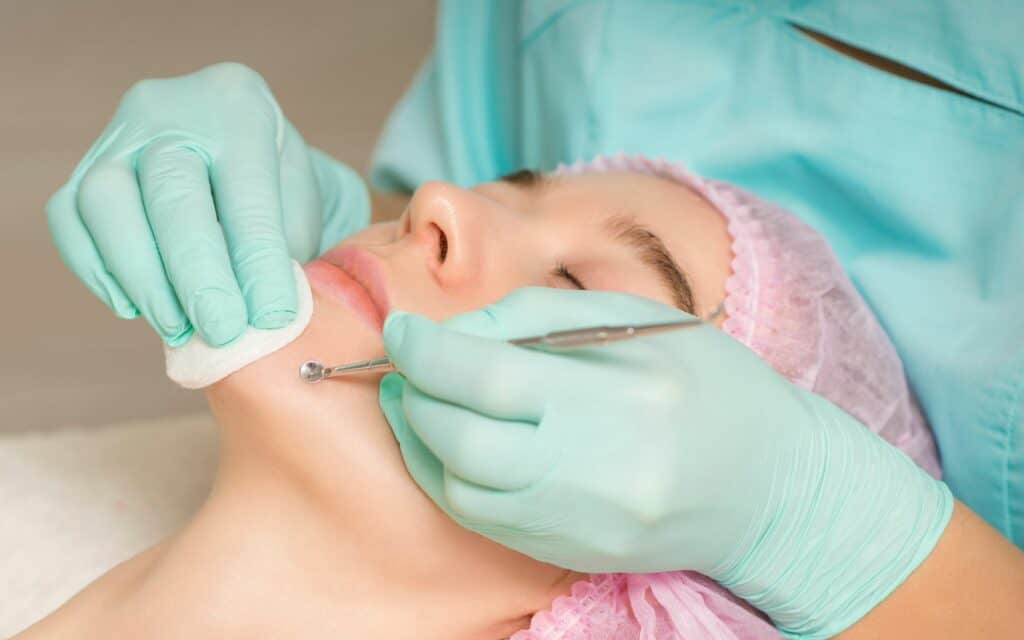
Welcome to The Derm Spot your trusted source for dermatology and skin care advice. If you’ve ever struggled with stubborn blackheads that just won’t budge you’re not alone. Finding the right blackhead removal tools can make all the difference in achieving clear smooth skin.
In this article you’ll discover the 10 best blackhead removal tools in 2025 designed to help you tackle clogged pores safely and effectively. With so many options available it’s important to choose tools that suit your skin type and deliver professional-level results at home. From comedone extractors to pore vacuums we’ll guide you through the top picks to keep your skin looking fresh and healthy.
Say goodbye to frustrating breakouts and hello to a cleaner complexion as we explore essential skin care devices and techniques that work. Let’s dive into the best tools that will transform your blackhead removal routine this year.
Overview of Blackhead Removal Tools
You rely on the right blackhead removal tools for clearer, smoother skin. Selecting the proper device reduces irritation and improves effectiveness.
Importance of Choosing the Right Tool
Choosing the right blackhead removal tool protects your skin and boosts your results. Using improper tools increases risks such as:
- Skin damage, including redness and inflammation
- Enlarged pores due to harsh extraction
- Infection from unclean or unsuitable devices
You need tools designed for your skin type: sensitive skin requires gentle options, while oilier skin can tolerate stronger devices. Consistently cleaning tools prevents bacterial buildup, reducing infection risks. Durable materials like stainless steel or silicone improve hygiene and longevity, ensuring safer use.
Common Types of Blackhead Removal Tools
Blackhead removal tools come in various forms, each targeting clogged pores effectively:
1. Comedone Extractors
Metal loops apply pressure around blackheads to extract debris without squeezing. Stainless steel extractors offer hygiene and precision, suitable for most skin types.
2. Pore Vacuum Devices
Suction tools pull impurities from pores deeply. Adjustable suction levels let you customize treatment intensity to prevent skin trauma.
3. Silicone Scrubbers
Soft silicone bristles exfoliate and clear blackheads gently, ideal for sensitive skin and daily upkeep.
4. Chemical Peel Pads
Infused with salicylic or glycolic acid, these pads dissolve excess oil and dead skin cells, preventing blackhead formation.
5. Microneedling Devices
Tiny needles create micro-injuries, promoting collagen and improving pore appearance post-blackhead removal.
| Tool Type | Mechanism | Skin Suitability | Frequency of Use |
|---|---|---|---|
| Comedone Extractor | Physical pressure | All skin types | As needed |
| Pore Vacuum | Suction | Oily to combination skin | 1-2 times per week |
| Silicone Scrubber | Gentle exfoliation | Sensitive to normal skin | Daily |
| Chemical Peel Pads | Chemical exfoliation | Normal to oily skin | 1-3 times per week |
| Microneedling | Skin stimulation | Normal to oily skin | Monthly |
For more on skin treatment options and ingredients that support blackhead removal, visiting Skincare Ingredients A to Z offers detailed guidance. Exploring categories such as Dermatology and Skin Health provides additional context and expert advice for maintaining your skin’s clarity and health.
Top 10 Blackhead Removal Tools in 2025
Choosing the right blackhead removal tool enhances your skincare routine and improves your skin’s clarity. Below are the top 10 tools designed for effective blackhead extraction while minimizing irritation and damage.
Tool 1: Stainless Steel Comedone Extractor
- Features: Medical-grade stainless steel with dual loop heads for blackheads and whiteheads; sterilizable and reusable.
- Benefits: Provides precise blackhead removal, reduces risk of skin damage; easy to clean and durable.
- Usage: Apply gentle pressure around the clogged pore; best for sensitive to oily skin types.
- Prevention: Use after steaming or warm compress to soften skin and open pores.
Tool 2: Electric Pore Vacuum Device
- Features: Adjustable suction levels with multiple nozzle sizes for different pore sizes and skin areas.
- Benefits: Removes blackheads and excess sebum deeply; improves blood circulation and skin texture with regular use.
- Usage: Glide smoothly across the skin avoiding staying too long on one spot to prevent bruising.
- Suitability: Ideal for normal, oily, and combination skin types prone to clogged pores.
Tool 3: Silicone Facial Scrubber
- Features: Battery-powered with soft silicone bristles and vibration technology.
- Benefits: Gently exfoliates dead skin cells, unclogs pores, and stimulates collagen production.
- Usage: Use with your regular cleanser twice weekly to minimize blackhead formation.
- Safety: Suitable for sensitive and acne-prone skin due to its gentle action.
Tool 4: Chemical Blackhead Removal Pads
- Features: Infused with salicylic acid, glycolic acid, and natural extracts like green tea.
- Benefits: Dissolves blackhead dirt inside pores and exfoliates surface skin.
- Usage: Swipe over the face after cleansing 2–3 times per week depending on skin sensitivity.
- Caution: Avoid overuse to prevent dryness or irritation; use sunscreen daily to protect treated skin.
Tool 5: Ultrasonic Skin Scrubber
- Features: High-frequency ultrasonic vibrations combined with a stainless steel spatula.
- Benefits: Loosens and removes blackheads and dead skin cells; enhances absorption of serums and moisturizers.
- Usage: Use on damp skin for 5-10 minutes; follow with moisturizing routine.
- Effectiveness: Useful for all skin types, especially congested and dull skin.
Tool 6: Microneedling Derma Roller
- Features: Titanium needle heads varying from 0.2 to 0.5 mm length for home use.
- Benefits: Increases skin cell turnover and helps unclog pores; promotes collagen and elastin synthesis.
- Application: Roll gently over clean skin once a week; avoid active acne areas to prevent infection.
- Professional Advice: Consult a dermatologist for sensitive or acne-prone skin before use.
Tool 7: Pore Strips
- Features: Adhesive strips designed to lift surface blackheads mechanically.
- Benefits: Immediate removal of blackheads, especially on the nose and chin.
- Usage: Use once weekly on clean, dry skin to avoid irritation.
- Limitations: Does not cleanse pores deeply; complementary to other tools and skincare.
Tool 8: Bamboo Charcoal Mask
- Features: Clay-based with bamboo charcoal and natural purifying agents.
- Benefits: Absorbs excess oil and impurities, tightens pores to reduce blackhead occurrence.
- Usage: Apply a thin layer 1–2 times weekly; rinse after 10–15 minutes.
- Suitability: Works well for oily and combination skin types.
Tool 9: Electric Blackhead Extraction Pen
- Features: Portable with various shaped tips and adjustable suction power.
- Benefits: Precise blackhead and whitehead removal without harsh skin pressure.
- Usage: Use on steamed skin, moving the pen over affected areas.
- Safety: Best for experienced users or under guidance to avoid skin damage.
Tool 10: Soft Silicone Blackhead Remover Brush
- Features: Manual brush with flexible silicone bristles designed to exfoliate and clean pores.
- Benefits: Minimizes blackheads and smooths skin without irritation.
- Usage: Use daily with gentle cleansers to maintain pore cleanliness.
- Skin Types: Ideal for sensitive to normal skin due to gentle texture.
| Tool Number | Tool Name | Main Features | Suitable Skin Types | Frequency of Use |
|---|---|---|---|---|
| 1 | Stainless Steel Comedone Extractor | Dual loop heads, sterilizable | Sensitive, oily | As needed |
| 2 | Electric Pore Vacuum Device | Adjustable suction, multiple nozzles | Normal, oily, combination | Weekly |
| 3 | Silicone Facial Scrubber | Soft silicone bristles, vibration | Sensitive, acne-prone | Twice weekly |
| 4 | Chemical Blackhead Removal Pads | Salicylic acid, glycolic acid, natural extracts | All except very dry | 2–3 times weekly |
| 5 | Ultrasonic Skin Scrubber | High-frequency vibrations, stainless steel spatula | All skin types | Weekly |
| 6 | Microneedling Derma Roller | Titanium needles 0.2–0.5 mm | Congested, dull; avoid active acne | Weekly, with care |
| 7 | Pore Strips | Adhesive strips | Oily, combination | Weekly |
| 8 | Bamboo Charcoal Mask | Clay-based, purifying agents | Oily, combination | 1–2 times weekly |
| 9 | Electric Blackhead Extraction Pen | Portable, adjustable suction | Experienced users | As needed |
| 10 | Soft Silicone Blackhead Remover Brush | Flexible silicone bristles | Sensitive, normal | Daily |
Explore effective skincare ingredients that support blackhead removal on Skincare Ingredients A to Z. Learn more about dermatology topics at The Derm Spot Dermatology and improve your skin health through proven treatments and routines.
For persistent blackheads or skin irritation, seek professional dermatological advice to tailor treatment plans considering factors such as skin type and sensitivity. Proper daily care incorporating tool hygiene, gentle cleansing, and sun protection reduces blackhead recurrence and promotes clear, healthy skin.
How to Use Blackhead Removal Tools Safely
Using blackhead removal tools properly protects your skin from damage and maximizes results. Follow these guidelines to maintain skin health and reduce the risk of irritation or infection.
Preparation and Skin Care Tips
Prepare your skin thoroughly before removing blackheads to ensure safer, gentler extraction.
- Cleanse your face with a gentle, non-comedogenic cleanser to remove dirt, oil, and makeup.
- Steam your skin for 5 to 10 minutes to open pores, which softens blackheads and makes extraction easier. Use a warm towel or facial steamer.
- Disinfect your tools with rubbing alcohol to kill bacteria and reduce infection risk.
- Apply a thin layer of moisturizer after extraction to soothe your skin and restore hydration.
- Use exfoliants with salicylic acid or glycolic acid 2–3 times per week to prevent blackhead formation by keeping pores clear. Refer to Skincare Ingredients A to Z for effective options.
- Avoid over-extraction by limiting blackhead removal sessions to 1–2 times per week, especially for sensitive skin types.
Common Mistakes to Avoid
Avoid these frequent errors when using blackhead removal tools to prevent skin complications.
- Never apply excessive pressure during extraction. Forceful squeezing can cause skin bruising, inflammation, or scarring.
- Don’t use dirty tools. Unhygienic instruments spread bacteria, increasing acne or infection risks.
- Avoid using blackhead tools on inflamed or broken skin. Active acne or wounds worsen with extraction attempts.
- Refrain from frequently touching your face, as oils and bacteria from your hands can clog pores further.
- Skip blackhead removal right after chemical peels or sunburns, since skin sensitivity is heightened, increasing injury chances.
- Do not share tools with others to prevent cross-contamination and skin infections.
For persistent or severe blackhead issues, seek advice from a dermatologist. Professional treatments such as microdermabrasion, chemical peels, or laser therapies can provide safer, more effective long-term solutions. Explore Dermatology and Cosmetic Treatments for additional insights.
Summary Table: Key Safe Practices for Blackhead Removal Tools
| Step | Action | Purpose |
|---|---|---|
| Cleanse Skin | Use gentle cleanser | Remove dirt and oil |
| Steam Skin | Warm towel or facial steamer | Open pores for easier extraction |
| Disinfect Tools | Rubbing alcohol | Kill bacteria |
| Apply Moisturizer | Light hydrating layer | Soothe and restore hydration |
| Limit Frequency | 1–2 times per week | Prevent skin irritation |
| Avoid Excessive Pressure | Gentle extraction only | Minimize skin damage |
| Skip on Broken/Inflamed Skin | Do not extract | Avoid worsening irritation |
| Do Not Share Tools | Personal use only | Prevent infection |
Related keywords: pore extraction, acne prevention, skin cleansing, facial hygiene, blackhead treatment
For more about maintaining clear, healthy skin and safe extraction practices, visit our Skin Health category.
Factors to Consider When Choosing a Blackhead Removal Tool
Selecting the best blackhead removal tool hinges on several key factors directly related to your skin type and condition. Each factor impacts the tool’s effectiveness and your skin’s safety during use. Understanding these elements helps you make an informed choice for clearer, healthier skin.
Skin Type Compatibility
Match the tool to your skin type to avoid irritation or damage.
- Oily skin benefits from pore vacuum devices and chemical peel pads that deeply cleanse excess sebum.
- Sensitive skin requires gentle options like silicone facial scrubbers or soft silicone blackhead remover brushes.
- Combination skin fares well with ultrasonic skin scrubbers that balance exfoliation without over-drying.
- Dry skin needs less abrasive methods such as bamboo charcoal masks and mild chemical blackhead removers.
Blackhead Severity and Location
Assess the depth and concentration of blackheads.
- Deep, stubborn blackheads on the nose or chin respond best to stainless steel comedone extractors and electric blackhead extraction pens.
- Light, surface-level blackheads suit gentle exfoliating options like silicone scrubbers.
- Extensive areas with multiple clogged pores may require pore vacuums or chemical peel pads for broader coverage.
Tool Material and Hygiene
Opt for durable, non-porous materials like stainless steel and medical-grade silicone to maintain hygiene and prevent bacterial buildup.
- Tools with detachable, washable heads enable thorough cleaning.
- Avoid porous materials that absorb oils and germs, increasing infection risk.
- Store tools in a clean, dry place to extend longevity and avoid contamination.
Ease of Use and Functionality
Consider your skill level and comfort using the tool.
- Manual extractors demand precision to avoid skin trauma; electric devices often include settings to control suction or intensity.
- Lightweight, ergonomic designs reduce hand fatigue during usage.
- Battery-operated or rechargeable options offer convenience for frequent use.
Safety Features and Risk Minimization
Prioritize tools with built-in safety mechanisms to protect skin integrity.
- Suction devices with adjustable intensities prevent excessive trauma.
- Tools with soft silicone tips reduce risk of irritation or broken capillaries.
- Always disinfect tools before and after use, and avoid sharing to prevent infections.
Frequency of Use and Maintenance
Review recommended usage intervals and tool upkeep requirements.
- Chemical peel pads often require weekly use for optimal results, while comedone extractors suit occasional usage to avoid skin damage.
- Cleaning instructions vary; ultrasonic scrubbers need drying after rinsing, while microneedling rollers require sterilization to prevent bacteria.
- Regular maintenance preserves tool efficiency and ensures skin safety.
Cost and Brand Reputation
Balance budget with quality for long-term benefits.
- Invest in trusted brands with positive user reviews and dermatological endorsements.
- Avoid overly cheap tools that may lack durability or safety features.
- Check for warranties or guarantees to secure your purchase.
Related Terms to Explore
- Sebum control: Managing oil production reduces blackhead formation.
- Exfoliation: Promotes dead skin cell removal to prevent clogged pores.
- Comedonal acne: A condition characterized by blackheads and whiteheads.
- Non-comedogenic products: Skincare formulated to avoid blocking pores.
- Skin barrier protection: Maintaining the skin’s natural barrier to avoid irritation and infections.
For more detailed information on ingredients that support blackhead removal and skin health, visit Skincare Ingredients A to Z. Explore treatment options and expert advice at Dermatology and improve your routine with tips from Skin Health.
| Factor | Importance | Recommended Tool Types |
|---|---|---|
| Skin type compatibility | Prevents irritation and damage | Silicone scrubbers, pore vacuums, chemical pads |
| Blackhead severity & location | Ensures effective targeting | Comedone extractors, electric extraction pens |
| Material and hygiene | Minimizes infection risks | Stainless steel, medical-grade silicone |
| Ease of use | Promotes safe and consistent use | Ergonomic designs, adjustable settings |
| Safety features | Protects skin integrity | Soft tips, suction control |
| Frequency and maintenance | Sustains tool function and skin health | Weekly pads, sterilized rollers |
| Cost and brand reputation | Balances quality and affordability | Trusted brands, warranty options |
Choose your blackhead removal tool by carefully evaluating these factors. Proper selection leads to safer procedures and better skin clarity. For additional advice related to cosmetic procedures and body care, check Cosmetic Treatments and Body Care.
Conclusion
Choosing the right blackhead removal tool makes a significant difference in your skincare routine. With the options available in 2025, you can find a device that suits your skin type and addresses your specific concerns effectively.
Remember to prioritize hygiene and gentle use to protect your skin while achieving the best results. Consistency and care will help you maintain a clearer complexion and reduce the chances of blackheads returning.
If you’re ever unsure, don’t hesitate to consult a dermatologist for personalized advice. Your journey to smoother skin starts with informed choices and proper tool use.
Frequently Asked Questions
What are the best tools for removing blackheads?
The best tools for removing blackheads include stainless steel comedone extractors, electric pore vacuum devices, silicone facial scrubbers, chemical peel pads, ultrasonic skin scrubbers, microneedling derma rollers, pore strips, bamboo charcoal masks, electric blackhead extraction pens, and soft silicone remover brushes. Each tool suits different skin types and blackhead severity.
How often should blackhead removal tools be used?
Usage frequency depends on the tool and skin type. For example, chemical peel pads and pore strips can be used weekly, while gentle silicone scrubbers may be used daily. Microneedling and ultrasonic scrubbing are best done less often, typically every few weeks. Always follow product guidelines.
Are blackhead removal tools safe for sensitive skin?
Some blackhead removal tools are safe for sensitive skin, like soft silicone brushes and mild chemical pads. Avoid strong suction devices or aggressive extraction tools if you have sensitive or easily irritated skin. Always test new tools on a small area first and proceed gently.
How do I prepare my skin before using blackhead removal tools?
Cleanse your face thoroughly, then steam or apply a warm towel for 5-10 minutes to open pores. Disinfect your tools before use to reduce the risk of infection. This preparation helps loosen blackheads, making removal easier and safer.
Can improper use of blackhead removal tools damage my skin?
Yes, improper use can cause skin irritation, enlarged pores, infections, or scarring. Avoid applying excessive pressure, using dirty tools, or removing blackheads violently. Follow instructions carefully and ensure tools are clean and suitable for your skin type.
How do I clean and maintain blackhead removal tools?
Clean tools after every use with warm water and antibacterial soap or alcohol. Dry them thoroughly to prevent bacteria growth. Regular cleaning preserves tool effectiveness and protects your skin from infections.
When should I see a dermatologist for blackhead removal?
See a dermatologist if blackheads persist despite proper home care, cause discomfort, or worsen with treatment. Professionals can offer advanced treatments, prescription options, and safe extractions that home tools cannot provide.
Are pore strips a good option for blackhead removal?
Pore strips can offer quick removal for surface blackheads but may not address deeper ones. They may also irritate sensitive skin and should be used sparingly. Combine with other treatments for best results.
Can blackhead removal tools help prevent recurrence?
Using the right tools along with a consistent skincare routine can reduce blackhead recurrence. Maintaining tool hygiene, protecting skin from sun damage, and regular cleansing all support clearer skin over time.
What factors should I consider when choosing a blackhead removal tool?
Consider your skin type, blackhead severity, tool material, ease of use, safety features, maintenance needs, and cost. Choosing a tool designed for your skin ensures better results and minimizes risk of damage.