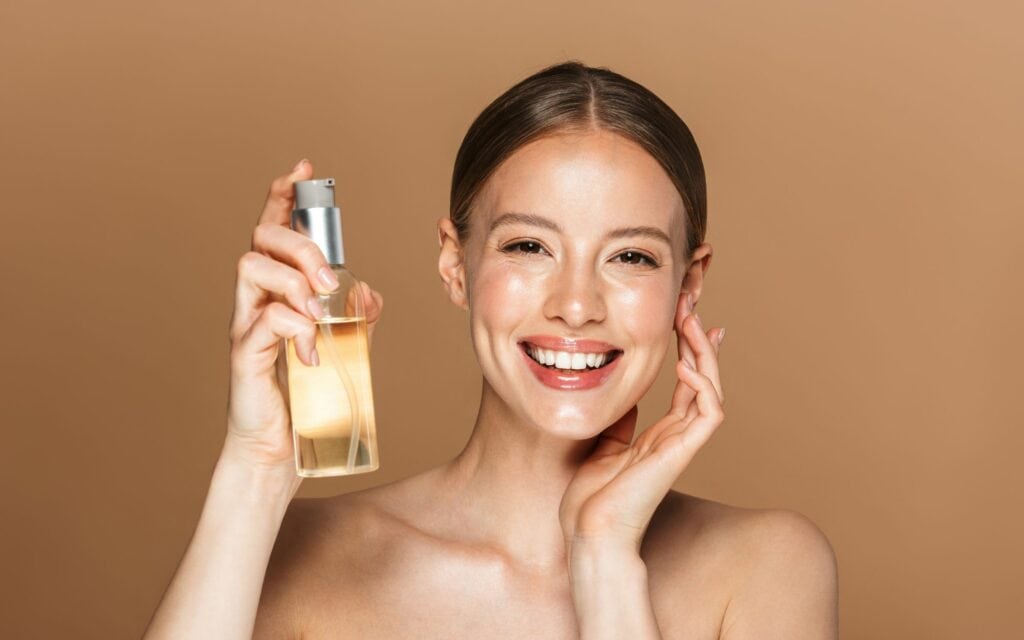

Welcome to The Derm Spot, your trusted source for dermatology and skin care advice. If “Best Hair Masks for Dry Damaged Hair in 2026” is on your mind, chances are your ends feel like straw, your color looks dull, or your curls have lost their bounce. You’re not imagining it, heat styling, bleach, sun, and even hard water chip away at your hair’s cuticle and inner bonds. This guide zeroes in on exactly what your hair needs now, the smartest formulas trending in 2026, and how to pick a mask that actually repairs, not just “coats.” By the end, you’ll know what to buy, how to use it, and when to call in a pro, so you can get soft, glossy, resilient hair back into your routine.
What Dry, Damaged Hair Needs
Signs Your Hair Needs A Mask
You don’t need a microscope to spot damage. Look for:
- Rough, squeaky texture when wet
- Frizz that won’t smooth down even with oil or serum
- Split ends, snapping during detangling
- Dullness and color fade
- Curls that won’t clump, waves that collapse
A weekly mask gives concentrated moisturizers, lipids, and reparative actives time to penetrate, something a daily conditioner can’t match.
Key Ingredients That Work
Hair is mostly keratin. Damage happens in the cuticle (outer shield) and cortex (inner strength). The best hair masks for dry damaged hair focus on both.
- Humectants: glycerin, hyaluronic acid, panthenol pull water into the fiber for bounce.
- Emollients: shea butter, argan, squalane soften and reduce friction.
- Occlusives: castor oil, silicones (dimethicone, amodimethicone) seal in moisture and add slip.
- Lipids: ceramides, cholesterol, 18‑MEA help rebuild the cuticle’s protective barrier.
- Proteins/peptides: hydrolyzed keratin, wheat, silk fill in weak spots temporarily.
- Bond builders: bis‑aminopropyl diglycol dimaleate (Olaplex), maleic acid systems, glyoxylic/borate complexes target broken disulfide/salt bonds.
- Antioxidants: vitamin E, green tea, ferulic acid protect color and reduce oxidative stress.
If you color or heat style regularly, prioritize masks blending lipids, proteins, and a modern bond-building tech. For more foundations of hair and scalp care, you can explore our insights in the hair-health and skin-health sections.
2026 Trends: Smarter Formulas And Bond Builders
Biomimetic Lipids And Ceramides
In 2026, more masks use biomimetic (hair-identical) lipids, ceramide NP, AP, EOP alongside cholesterol and fatty acids, to restore the cuticle’s mortar. This “skinification” of hair care mirrors barrier-repair logic in skincare: balanced lipid ratios lock down the cuticle, reduce porosity, and dramatically cut frizz. Look for ceramides high on the INCI list, plus cholesterol and behentrimonium chloride for slip without heavy buildup.
Bond-Building Vs. Protein: When To Use Which
- Bond builders: Great after bleaching, color, perms, or frequent hot tools. They target internal bonds for strength and elasticity. Use 1–2x weekly until hair feels springy again, then maintain every 1–2 weeks.
- Proteins: Hydrolyzed proteins patch surface chips and add structure. Fantastic for mushy, over‑moisturized hair. But go easy, too much can make hair rigid.
- Moisture/lipids: If hair feels brittle and tangly, you likely need moisture plus lipids first, then alternate with bond or protein care.
Quick check: If a strand stretches and snaps quickly, you may need moisture. If it stretches like taffy and won’t bounce back, add protein/bond care. When you’re unsure, alternate weekly, one week moisture/lipids, the next week bond/protein, to stay balanced. For more on cosmetic science in skincare (and how it crosses into hair), browse our dermatology and cosmetic-treatments hubs.
How To Choose The Right Mask For Your Hair Type
Fine Or Low-Porosity Hair
Your hair resists absorption and gets weighed down easily. Choose lightweight, water-rich masks with small-molecule humectants, amino acids, and lightweight esters over heavy butters.
- Look for: glycerin, panthenol, amino acids, amodimethicone (targeted, lightweight silicone), ceramides in low concentrations.
- Avoid: thick butters/oils high on the list, heavy proteins weekly.
Thick, High-Porosity, Or Curly/Coily Hair
High-porosity hair drinks up moisture but loses it fast. You’ll benefit from richer, lipid-heavy masks and film-formers to reduce moisture loss and frizz.
- Look for: shea/cupuacu, castor oil, ceramides + cholesterol, hydrolyzed proteins, flaxseed/plant gels.
- Technique matters: apply in sections, detangle with slip, and consider gentle heat to help penetration.
Color-Treated Or Bleached Hair
Your priorities: bond building, color protection, and shine. Seek masks that combine a bond technology with ceramides and UV/antioxidant support.
- Look for: bond builders (e.g., bis‑aminopropyl diglycol dimaleate), maleic or citric acid complexes, ceramides, sunflower seed extract, conditioning silicones.
- Keep pH in mind: slightly acidic formulas help keep the cuticle flat, improving shine and color retention.
Top Hair Mask Picks For 2026
Note: Availability and formulas may evolve, but these standout options have strong track records and align with 2026 ingredient trends. Always patch test if you’re sensitive to fragrance or botanical extracts.
Best Overall
- Olaplex No. 8 Bond Intense Moisture Mask: Combines the brand’s signature bond-building tech with noticeable softness and shine without feeling greasy. Ideal for color-treated and heat-styled hair.
Best Budget
- L’Oréal Paris Elvive Total Repair 5 Power Restore Treatment: Affordable, protein-enriched mask that smooths the cuticle and improves manageability in one wash. Great weekly staple if you’re rebuilding on a budget.
Best For Severe Damage
- K18 Leave-In Molecular Repair Hair Mask: Uses a patented peptide designed to reconnect polypeptide chains. If bleach or repeated heat tools left your hair stretchy and fragile, this is a high-impact option. Use sparingly and follow the brand’s no-conditioner prep for best results.
Best For Curls And Coils
- Briogeo Don’t Despair, Repair. Deep Conditioning Mask: Rich in lipids, algae extract, and ceramides to hydrate and strengthen without crushing curl pattern. Plays nicely with sectioning and heat caps.
Best Lightweight For Fine Hair
- Living Proof Restore Repair Mask (or Perfect hair Day Weightless Mask): Silky, lightweight slip with a soft, airy finish. Adds strength and shine without collapsing volume.
Best Clean Formula
- Crown Affair The Renewal Mask or Briogeo Don’t Despair, Repair. (clean-beauty favorite): Minimalistic, silicone-optional approach with nourishing oils and ceramides: good choice if you avoid certain synthetics yet still want results.
Best Overnight Mask
- Kérastase Nutritive 8H Magic Night Serum (used as an overnight mask): Absorbs fast, softens coarse ends, and reduces morning frizz with no greasy pillowcase. Perfect before air-dry days or a big blowout.
How to use these within a routine for the best hair masks for dry damaged hair in 2026:
- Alternate: Pair a lipid-heavy mask one week with a bond/protein-focused option the next.
- Customize: Apply heavier masks mid-lengths to ends only: reserve lightweight options for roots if you need volume.
- Heat boost: A warm towel or cap can increase payoff on coarse or high-porosity hair.
How To Use A Hair Mask For Maximum Results
Pre-Wash Prep And Application
- Start with a clarifying or chelating wash every 1–2 weeks if you have hard water or product buildup: masks work better on a clean slate.
- Towel blot to damp, not dripping, hair.
- Work in sections for shoulder-length+ hair. Use a wide-tooth comb or fingers to distribute.
- Focus most product from mid-lengths to ends. Fine or oily scalps usually don’t need mask on roots.
Timing, Heat, And Rinse Tips
- Timing: Follow the label. Most rinse-out masks sweet-spot at 5–10 minutes: protein-heavy options can be shorter.
- Heat: Gentle, indirect heat (warm cap/steamer) helps thicker hair. Avoid high heat that can swell the cuticle excessively.
- Rinse: Use cool to lukewarm water. For extra slip and shine, finish with a pea-size conditioner or a lightweight leave-in.
How Often To Use (By Hair Type)
- Fine/low-porosity: Every 10–14 days: choose lightweight masks.
- Medium/normal: Weekly: alternate moisture and bond/protein as needed.
- Thick/high-porosity/curly-coily: 1–2 times weekly: add heat for better penetration.
- Severely damaged/bleached: Start 1–2 times weekly with a bond builder, then taper to maintenance.
For related routines beyond masking, see our broader guides in hair-health and, for whole-body care habits that influence hair (sleep, stress, nutrition), our body-care category.
Testing Methodology And Selection Criteria
Lab Measures And Real-World Wear
We prioritize masks that demonstrate:
- Cuticle smoothness and reduced friction (combing force tests)
- Improved breakage resistance (wet/dry tensile strength)
- Humidity/frizz control over 8–24 hours
- Color retention after multiple washes
We also factor in real-world use: slip while detangling, how hair feels 24–48 hours later, and whether styles (blowouts or curls) hold better.
Safety, Fragrance, And Sensitivity Checks
- Label transparency: Clear active claims (ceramides, bond builders) and concentrations when available.
- Sensitivity: We note common irritants like strong fragrance, essential oils, and certain preservatives.
- Compatibility: Silicone-friendly and silicone-optional picks so you can match your preference.
If you’re ingredient-curious, our A-to-Z library breaks down common actives in plain English: skincare-ingredients-a-to-z.
Conclusion
If you want results from the best hair masks for dry damaged hair in 2026, think in layers: moisture to plump, lipids to seal, and tech (protein or bond builders) to reinforce. Choose a formula that suits your hair type, alternate as needed, and use smart application with mild heat. Give it 3–4 wash cycles, you’ll see softness, shine, and fewer snaps. And if breakage continues or your scalp gets irritated, press pause and check in with a pro. Healthy hair is consistent care, not guesswork.
Frequently Asked Questions
What are the best hair masks for dry damaged hair in 2026?
Top picks include Olaplex No. 8 Bond Intense Moisture Mask, L’Oréal Paris Elvive Total Repair 5 Power Restore, K18 Leave‑In Molecular Repair Mask, Briogeo Don’t Despair, Repair., Living Proof Restore/PhD Weightless Mask, and Kérastase Nutritive 8H Magic Night Serum. Match the formula to your hair type and damage level for best results.
Which ingredients actually repair dry, damaged hair?
Look for a blend of humectants (glycerin, hyaluronic acid), emollients (shea, squalane), and occlusives (castor oil, silicones) plus lipids (ceramides, cholesterol, 18‑MEA). Add proteins/peptides and modern bond builders (e.g., bis‑aminopropyl diglycol dimaleate, maleic systems). Antioxidants help protect color and reduce oxidative stress.
How often should I use the best hair masks for dry damaged hair?
Fine/low‑porosity hair: every 10–14 days with lightweight masks. Medium/normal: weekly, alternating moisture and bond/protein. Thick, high‑porosity, or curly/coily: 1–2 times weekly, adding gentle heat. Severely damaged or bleached: start 1–2 times weekly with a bond builder, then taper to maintenance.
Bond builders vs. protein: when should I use each?
Use bond builders after bleaching, coloring, perms, or frequent heat to rebuild internal strength; apply 1–2 times weekly, then maintain every 1–2 weeks. Proteins patch surface chips—great for stretchy, over‑moisturized hair—but don’t overdo. If hair feels brittle, prioritize moisture and lipids, then alternate.
Can a hair mask fix split ends, or do I need a trim?
Hair masks can smooth and temporarily bind frayed ends, improving feel and shine, but they cannot permanently “heal” split ends. For lasting improvement, get a dusting or trim to remove splits, then maintain with lipid‑rich and bond‑building masks to minimize future breakage.
Are silicone‑free masks better for damaged hair?
Not necessarily. Silicones like dimethicone and amodimethicone reduce friction, enhance slip, and help seal moisture—useful for damaged hair. Silicone‑free formulas can also perform well with ceramides, oils, and film‑formers. Choose based on hair feel, buildup tolerance, and styling goals; clarify periodically if you experience residue.