Welcome to our blog post series on the best hair treatment for damaged hair! If you’re struggling with dry, brittle, or damaged hair, you’re not alone. Many factors can contribute to hair damage, including excessive heat styling, chemical treatments, environmental factors, and even genetics. But don’t worry, because there are effective hair treatments available that can help restore your hair’s health and vitality.
In this blog post, we will explore the causes and symptoms of hair damage, as well as essential hair treatments that can make a significant difference in repairing and restoring your hair. We will also delve into the importance of regular hair treatments, how to choose the right hair care products, and the benefits of in-salon professional treatments.
But we won’t stop there! We also understand that not everyone wants to rely solely on commercial products, which is why we will also share some amazing homemade hair treatments using natural ingredients that can work wonders for damaged hair. You’ll learn about the ingredients that repair hair damage, how to make and apply homemade hair masks, and the frequency and effectiveness of these treatments.
Once your hair is on its way to recovery, it’s essential to maintain its health. We’ll provide you with tips on how to keep your hair healthy post-treatment, including regular trims, a hair-friendly diet, and avoiding heat styling tools. We’ll also discuss the importance of hydration and protecting your hair from environmental damage.
Lastly, we understand that choosing the right hair treatment products can be overwhelming. That’s why we’ll guide you through the factors to consider when purchasing hair treatment products and review some of the best options available in the market. We’ll even let you know where you can purchase them.
So, if you’re ready to say goodbye to damaged hair and hello to healthier, more beautiful locks, keep reading. Our blog post series on the best hair treatment for damaged hair will provide you with all the information you need to revive and restore your hair’s natural beauty. Stay tuned for our upcoming posts!
Understanding Hair Damage: Causes and Symptoms
Hair damage can occur due to various factors, and understanding the causes and symptoms is essential for effective treatment. In this section, we will explore the common causes of hair damage and the symptoms that indicate your hair is in need of repair.
Causes of Hair Damage:
- Excessive Heat Styling: Regular use of hot styling tools like flat irons, curling irons, and blow dryers can lead to hair damage. The high temperatures can weaken the hair shaft, making it prone to breakage and dryness.
- Chemical Treatments: Treatments such as hair coloring, perming, and relaxing involve the use of chemicals that can strip the hair of its natural moisture and weaken its structure. Over time, these treatments can cause significant damage if not done correctly or with proper care.
- Environmental Factors: Exposure to harsh environmental conditions like sun, wind, and pollution can damage the hair. UV rays from the sun can weaken the hair protein, leading to dryness and breakage. Environmental pollutants can also build up on the hair, making it dull and lifeless.
- Overwashing and Harsh Shampoos: Washing your hair too frequently or using shampoos that contain harsh chemicals can strip the natural oils from your hair, leaving it dry, brittle, and susceptible to damage.
- Improper Hair Care Practices: Brushing or combing your hair aggressively, especially when it’s wet, can cause breakage and damage. Using the wrong type of hair accessories or tying your hair too tightly can also contribute to hair damage.
- Nutritional Deficiencies: A lack of essential nutrients in your diet, such as vitamins, minerals, and proteins, can affect the health of your hair. Without proper nourishment, your hair may become weak, dull, and more prone to damage.
Symptoms of Hair Damage:
- Dry and Brittle Hair: Damaged hair often feels dry, rough, and lacks moisture. It may appear dull and have a straw-like texture.
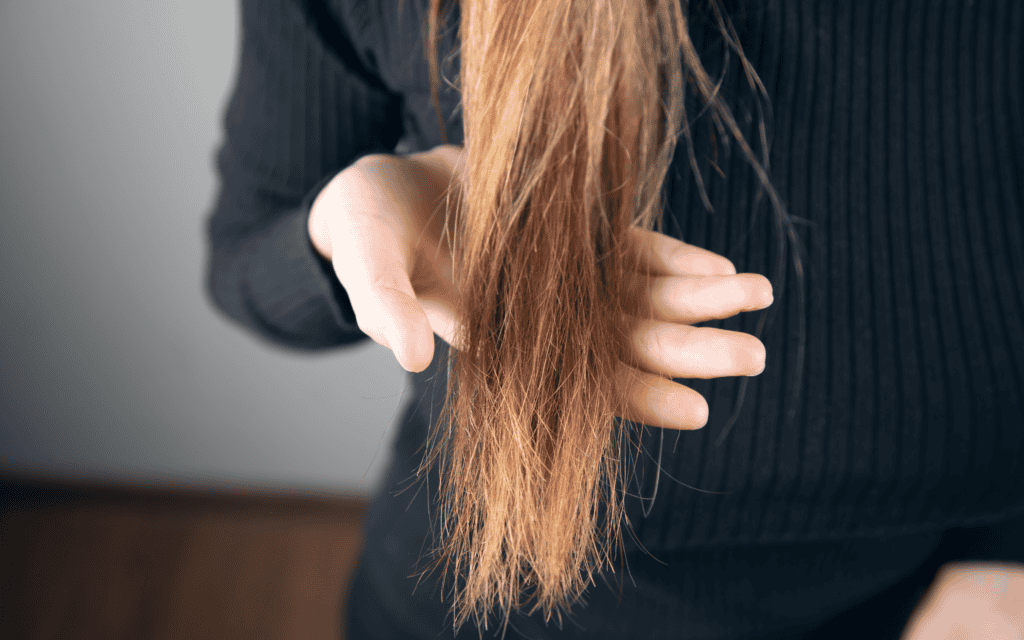
- Split Ends: Split ends occur when the protective outer layer of the hair cuticle wears away, causing the hair to split into two or more strands. This is a common sign of hair damage.
- Hair Breakage: Weak and damaged hair is more prone to breakage. You may notice excessive hair fall or find small broken strands on your hairbrush or pillow.
- Lack of Elasticity: Healthy hair has a certain level of elasticity, allowing it to stretch and bounce back. Damaged hair loses its elasticity and may snap or break when stretched.
- Frizz and Tangles: Damaged hair is prone to frizz and tangles due to its rough texture. It can be challenging to manage and style.
By understanding the causes and recognizing the symptoms of hair damage, you can take the necessary steps to address the issues and prevent further damage. In the following sections, we will explore the best hair treatments that can help repair and restore your damaged hair.
Essential Hair Treatments for Damaged Hair
Damaged hair requires specialized treatments to repair and restore its health. In this section, we will explore the essential hair treatments that can make a significant difference in rejuvenating damaged hair.
Why Regular Treatment is Necessary:
- Deep Conditioning: Deep conditioning treatments are essential for damaged hair as they provide intense hydration and nourishment. These treatments penetrate the hair shaft, replenishing moisture and improving the overall health and appearance of the hair.
- Protein Treatments: Protein is a vital component of healthy hair, and damaged hair often lacks sufficient protein. Protein treatments help to strengthen and repair the hair by filling in gaps in the hair cuticle and restoring its structure.
- Scalp Treatments: A healthy scalp is crucial for healthy hair growth. Scalp treatments can address issues such as dryness, flakiness, and excess oiliness, promoting a balanced scalp environment that supports hair health.
Choosing the Right Hair Care Products:
- Moisturizing Shampoos and Conditioners: Look for shampoos and conditioners specifically formulated for damaged hair. These products should be moisturizing, sulfate-free, and contain ingredients like keratin, argan oil, or shea butter to nourish and repair the hair.
- Leave-In Conditioners: Leave-in conditioners provide added moisture, protection, and detangling benefits. They can help to seal in moisture and protect the hair from further damage.
- Hair Masks and Treatments: Invest in high-quality hair masks and treatments that target specific hair concerns. Look for products that contain ingredients like hyaluronic acid, coconut oil, or silk proteins for deep hydration and repair.
In-Salon Professional Treatments:
- Keratin Treatments: Keratin treatments are popular for smoothing and repairing damaged hair. They involve the application of a keratin-based formula that helps to strengthen the hair, reduce frizz, and improve manageability.
- Olaplex Treatments: Olaplex is a professional hair treatment that helps to repair and rebuild damaged hair bonds. It can be used as a standalone treatment or added to color or chemical processes to prevent damage.
- Scalp Treatments and Massages: Professional scalp treatments and massages can help to improve blood circulation, stimulate hair follicles, and promote a healthier scalp environment. These treatments can aid in hair growth and overall hair health.
Choosing the right hair treatment products and incorporating regular salon treatments can significantly improve the condition of your damaged hair. In the next section, we will explore alternative options for hair treatments using natural and homemade remedies.
Homemade Hair Treatments
If you prefer natural alternatives or want to complement your regular hair treatments, homemade hair treatments can be a great option for repairing damaged hair. In this section, we will explore various natural ingredients that are known for their reparative properties, learn how to make and apply homemade hair masks, and discuss the frequency and effectiveness of these treatments.
Natural Ingredients that Repair Hair Damage:
- Coconut Oil: Coconut oil is rich in fatty acids that can penetrate the hair shaft, providing deep hydration and nourishment. It helps to repair damaged hair, reduce protein loss, and promote shine and softness.
- Avocado: Avocado is packed with vitamins, minerals, and healthy fats that can help moisturize and nourish damaged hair. It improves hair elasticity, strengthens the hair strands, and adds natural shine.
- Honey: Honey is a natural humectant that attracts and retains moisture in the hair. It has antioxidant and antimicrobial properties that promote a healthy scalp and help repair damaged hair.
- Aloe Vera: Aloe vera gel contains enzymes that repair dead skin cells on the scalp and promote healthy hair growth. It also acts as a natural conditioner, leaving the hair smooth and shiny.
- Yogurt: Yogurt is rich in protein and lactic acid, which help to strengthen the hair and restore its natural pH balance. It also provides deep conditioning benefits, leaving the hair soft and manageable.
How to Make and Apply Homemade Hair Masks:
- Coconut Oil and Honey Mask: Mix 2 tablespoons of coconut oil with 1 tablespoon of honey. Apply the mixture to damp hair, focusing on the ends. Leave it on for 30 minutes to an hour before rinsing thoroughly.
- Avocado and Banana Mask: Mash half an avocado with one ripe banana until smooth. Apply the mixture to clean, damp hair and leave it on for 20-30 minutes. Rinse thoroughly and shampoo as usual.
- Aloe Vera and Yogurt Mask: Mix 4 tablespoons of aloe vera gel with 2 tablespoons of plain yogurt. Apply the mixture to clean, damp hair and leave it on for 30 minutes. Rinse thoroughly and follow with conditioner if needed.
Frequency and Effectiveness of Homemade Treatments:
The frequency of using homemade hair treatments depends on the severity of your hair damage and your hair’s response to the treatments. For mild to moderate damage, applying a homemade hair mask once a week can help improve the condition of your hair over time. You can adjust the frequency based on your hair’s needs.
It’s important to note that while homemade hair treatments can provide nourishment and repair, they may not offer the same intensity and immediate results as professional treatments or specialized products. However, they are a natural and cost-effective option that can complement your regular hair care routine.
In the next section, we will discuss how to maintain healthy hair post-treatment to ensure that your damaged hair stays healthy and protected.
Maintaining Healthy Hair Post-Treatment
After undergoing hair treatments and witnessing the positive transformation of your damaged hair, it is crucial to maintain its health to prevent further damage. In this section, we will discuss essential tips and practices to help you maintain healthy hair post-treatment.
Regularly Trim Your Hair:
- Schedule Regular Trims: Regular trims are essential for maintaining healthy hair. Trimming your hair every 6-8 weeks helps to remove split ends and prevent them from traveling up the hair shaft, leading to further damage.
- Consult with a Professional Stylist: A professional stylist can assess the condition of your hair and recommend the appropriate trimming schedule and techniques to keep your hair healthy and free from split ends.
Adopt a Hair-Friendly Diet:
- Eat a Balanced Diet: A well-balanced diet rich in vitamins, minerals, and proteins is crucial for healthy hair. Include foods such as fruits, vegetables, lean proteins, whole grains, and healthy fats to provide the necessary nutrients for optimal hair health.
- Consume Foods Rich in Omega-3 Fatty Acids: Omega-3 fatty acids, found in foods like salmon, walnuts, and chia seeds, help to nourish the scalp and promote healthy hair growth.
Avoid Heat Styling Tools:
- Limit Heat Styling: Excessive heat styling can cause damage to your hair, even after treatment. Minimize the use of heat styling tools like flat irons, curling irons, and blow dryers. Whenever possible, allow your hair to air dry and embrace natural hairstyles.
- Use Heat Protectant Products: When heat styling is necessary, apply a heat protectant product to shield your hair from the damaging effects of heat.
Keep Hydrated and Protect Hair from Environmental Damage:
- Stay Hydrated: Drinking an adequate amount of water helps maintain overall hair hydration. Aim to drink at least 8 glasses of water per day.
- Protect Your Hair from the Sun: Ultraviolet (UV) rays from the sun can damage your hair. Use hats, scarves, or UV-protective hair products when exposed to the sun for prolonged periods.
- Shield Your Hair from Environmental Factors: Protect your hair from harsh weather conditions like wind, rain, and extreme temperatures. Wear a hat or use protective hairstyles to minimize exposure.
By implementing these practices, you can help maintain the health and vitality of your hair post-treatment. In the next section, we will guide you through the process of choosing the best hair treatment products that cater to your specific needs.
Choosing the Best Hair Treatment Products
Choosing the right hair treatment products is essential for effectively addressing and repairing damaged hair. In this section, we will explore the factors to consider when purchasing hair treatment products, review some of the best options available in the market, and provide information on where to buy them.
Factors to Consider When Purchasing Hair Treatment Products:
- Hair Type and Concerns: Consider your hair type, whether it’s dry, damaged, frizzy, or color-treated. Look for products specifically formulated to address your specific concerns.
- Ingredients: Read the product labels and look for key ingredients known for their reparative properties, such as keratin, argan oil, shea butter, or hydrolyzed collagen.
- Product Formulation: Consider the formulation of the product, whether it’s a shampoo, conditioner, hair mask, or treatment serum. Different formulations may offer different benefits and levels of intensity.
- Brand Reputation and Reviews: Research the reputation of the brand and read customer reviews to gain insights into the effectiveness of the product and its compatibility with different hair types.
Reviewing the Best Hair Treatment Products:
- Olaplex Hair Perfector No. 3: Olaplex No. 3 is a popular at-home treatment that helps to repair and rebuild damaged hair bonds. It is highly effective in improving hair strength, texture, and overall health.
- Moroccanoil Treatment: Moroccanoil Treatment is a versatile oil treatment that nourishes and conditions the hair, leaving it smooth, shiny, and manageable. It is suitable for all hair types and helps to repair and protect damaged hair.
- Redken Extreme Anti-Snap Leave-In Treatment: Redken Extreme Anti-Snap is a leave-in treatment that helps to prevent breakage and fortify damaged hair. It provides heat protection and strengthens the hair, promoting resilience and elasticity.
- Briogeo Don’t Despair, Repair! Deep Conditioning Mask: This deep conditioning mask is formulated with a blend of natural ingredients like avocado, almond oil, and rosehip oil. It helps to restore moisture, repair damage, and improve the overall health of the hair.
Where to Buy Them:
- Online Retailers: Hair treatment products can be easily purchased from various online retailers such as Amazon, Sephora, Ulta, and the official websites of the respective brands.
- Local Beauty Stores: Visit beauty supply stores or salons in your area that carry a wide range of hair care products. The staff can provide recommendations based on your specific needs.
Remember to follow the instructions provided by the product manufacturer for optimal results. Consistency and regular use of the chosen hair treatment products will help in achieving the desired outcomes.
Congratulations! You have now gained a comprehensive understanding of the best hair treatment for damaged hair. By implementing the tips and practices shared in this blog post, you can successfully repair and maintain the health of your hair, ultimately enjoying beautiful, revitalized locks.