
Welcome to The Derm Spot, your trusted source for dermatology and skin care advice. If you’ve noticed peeling, splitting, or snag-prone tips, you might wonder whether brittle nails and vitamin deficiency are connected, or if something else is going on. In this guide, you’ll learn what brittle nails can signal, which nutrients matter most, how to assess deficiencies in 2026, and the smartest ways to care for your nails without guesswork. Strong nails aren’t just cosmetic: they can reflect your overall health and help you spot issues early.
What Brittle Nails Can Signal
Common Patterns And Terminology
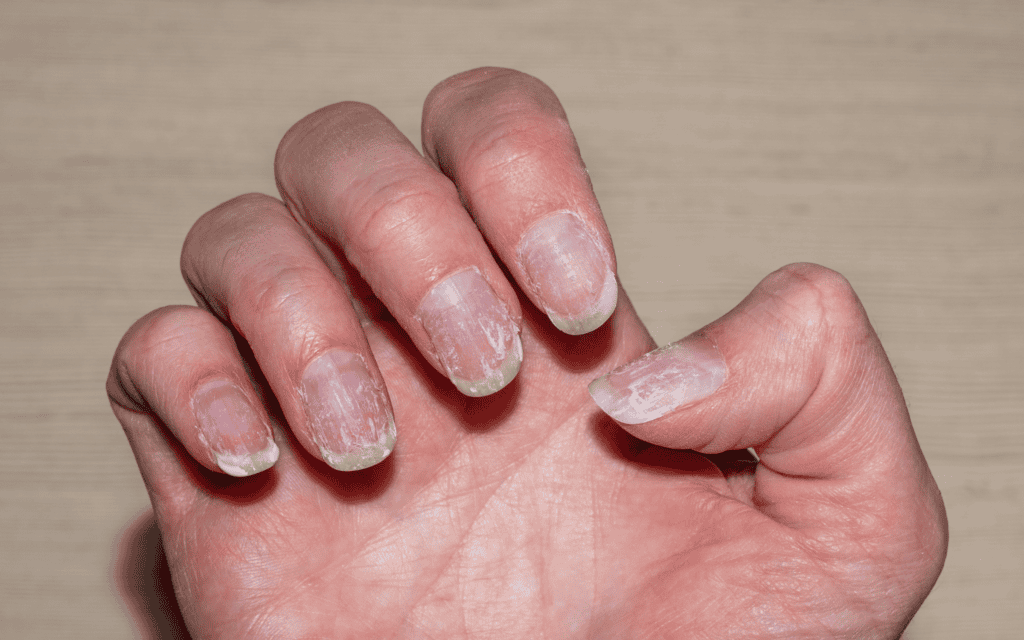
Brittle nails show up as splitting (onychoschizia), peeling layers, easy breakage, and ridging (longitudinal lines). You might also see:
- Koilonychia: spoon-shaped nails, classically linked to iron deficiency.
- Beau’s lines: temporary horizontal grooves after illness, severe stress, or nutritional deficits.
- Onychorrhexis: pronounced longitudinal ridges with fragility.
When you’re thinking about brittle nails and vitamin deficiency, patterns matter. For example, spooning plus fatigue and hair shedding can point to iron deficiency, while numbness or tingling might nudge you toward B12 evaluation.
Nutritional Versus Non-Nutritional Causes
Not every brittle nail is a nutrition story. Other common culprits include:
- Repeated wet–dry cycles, harsh detergents, and acetone removers
- Frequent gel/acrylic manicures or aggressive buffing
- Hypothyroidism or hyperthyroidism
- Psoriasis, eczema, lichen planus, or onychomycosis (fungal nail infection)
- Aging, low humidity, or chronic trauma (keyboards, sports, instrument practice)
- Medications: retinoids, chemotherapy agents, antiretrovirals, isotretinoin
You’ll get the best results by ruling out these non-nutritional factors while you assess potential vitamin and mineral gaps.
Vitamins And Minerals Most Commonly Implicated
Iron And Ferritin
Iron deficiency is the most established nutrient link to brittle nails. Low ferritin (your iron storage protein) can lead to thin, soft, or spoon-shaped nails and prolonged breakage. In menstruating individuals, endurance athletes, people with low-iron diets, or anyone with chronic blood loss, ferritin can dip long before hemoglobin does. Restoring iron stores, ideally to a ferritin level your clinician considers adequate, often improves nail strength over several months.
Biotin: Evidence Update And Misconceptions
Biotin earned a big reputation for nail health, but modern evidence is mixed. Small, older studies suggested improvement in nail thickness: but, higher-quality trials haven’t confirmed consistent benefits in otherwise healthy people. In 2026, most dermatology guidelines advise against routine biotin for brittle nails unless you have a documented deficiency (which is rare).
Key caution: biotin can interfere with certain lab assays (including thyroid tests and cardiac troponin). If you and your clinician do try biotin, pause it 48–72 hours before blood work to reduce interference.
Vitamin B12, Folate, And Homocysteine
Low B12 or folate can elevate homocysteine, affecting rapidly dividing cells, including those in the nail matrix. You might also notice fatigue, mouth sores, numbness/tingling, or glossitis (smooth, sore tongue). Correcting B12 or folate deficits can improve overall skin and nail quality over time, but, as with iron, nails grow slowly, so patience is key.
Vitamin D, Vitamins A And C, And Zinc
- Vitamin D: Low levels are common and may correlate with brittle nails indirectly through skin barrier and immune effects, but direct proof for nail strengthening is limited.
- Vitamin A: Essential for epithelial health, but excess vitamin A can paradoxically worsen dryness and fragility. Avoid high-dose supplements unless prescribed.
- Vitamin C: Supports collagen cross-linking: true deficiency (scurvy) is uncommon but can contribute to brittle, slow-growing nails.
- Zinc: Important for keratin formation. Deficiency can cause brittleness, Beau’s lines, and slow healing, but too much zinc can deplete copper, so dosing matters.
How To Assess For Deficiency In 2026
Symptom Clues And Health History
Start with a quick self-inventory:
- Diet: limited red meat or legumes, low produce, highly restrictive plans
- Menstrual history, pregnancy, postpartum, blood donation, gastrointestinal disorders (celiac, IBD), bariatric surgery
- Medications: metformin, acid reducers (PPIs/H2 blockers), retinoids, chemotherapy
- Symptoms: fatigue, hair shedding, cold intolerance, numbness/tingling, mouth sores, thyroid symptoms, easy bruising
- Nail specifics: spooning, Beau’s lines, color change, separation from the nail bed, asymmetry, pain
These clues help you and your clinician decide which labs are worth it, and which aren’t.
Lab Tests Worth Considering
Depending on your history, your provider may order:
- CBC with indices (anemia patterns), ferritin, iron, TIBC, transferrin saturation
- Vitamin B12, folate: if borderline B12, methylmalonic acid (MMA) and homocysteine
- 25-hydroxy vitamin D
- TSH and, if indicated, free T4 for thyroid function
- Zinc level if dietary intake or GI losses suggest risk
- Screen for onychomycosis (KOH prep, PAS stain) if nails are discolored, thickened, or crumbly
Interpreting Results And When To Refer
Normal ranges differ across labs, and “low-normal” can still be symptomatic for some nutrients, especially ferritin. Work with a dermatologist or primary care clinician to interpret results in context. Refer to dermatology if:
- You have nail changes with pain, pigment streaks, or rapid progression
- Topical care and targeted nutrition changes don’t help after 3–6 months
- You need a biopsy, fungal culture, or specialized nail evaluation
If systemic disease is suspected (thyroid, autoimmune, GI malabsorption), a referral to internal medicine or gastroenterology may be the fastest route to answers.
Evidence-Based Diet And Supplement Strategies
Food-First Patterns And Key Nutrient Sources
You’ll get steadier results from patterns, not pills. Build your week around:
- Iron: lean red meat, dark poultry, legumes, tofu, lentils: pair with vitamin C (citrus, peppers) to boost absorption.
- B12: fish, dairy, eggs: if vegan, use fortified foods and/or a B12 supplement.
- Folate: leafy greens, beans, citrus, avocado.
- Vitamin C: berries, kiwi, tomatoes, broccoli.
- Vitamin D: fatty fish, fortified dairy/plant milks: sunlight exposure as appropriate.
- Zinc: oysters, beef, pumpkin seeds, chickpeas, cashews.
If you want to dig deeper into ingredient benefits, our skincare ingredients A–Z library is a handy companion.
Smart Supplementation: Who, What, And For How Long
- Iron: Supplement only if labs confirm deficiency or low stores. Nail improvements may take 3–6 months as the nail grows out.
- B12/Folate: If low, oral B12 (cyanocobalamin or methylcobalamin) is often effective: folic acid for deficiency or increased need (e.g., pregnancy planning).
- Vitamin D: Reasonable if levels are low or sun exposure is limited.
- Zinc: Short courses for confirmed deficiency: avoid long-term high doses.
- Biotin: Not routinely recommended for brittle nails and vitamin deficiency unless your clinician documents deficiency.
Reassess labs after 8–12 weeks for most nutrients to avoid overtreatment.
Dosing, Safety, And Interactions For At-Risk Groups
- Iron: Many adults do well with 40–65 mg elemental iron once daily or on alternate days to improve absorption and reduce GI upset. Take away from calcium, coffee/tea: vitamin C can help. Keep out of reach of children (overdose risk).
- B12: 1,000 mcg daily orally is common for deficiency: those on metformin or acid reducers may need ongoing supplementation.
- Folate: 400 mcg daily for most adults: 600 mcg during pregnancy. Don’t exceed without guidance if you have B12 uncertainty.
- Vitamin D: 1,000–2,000 IU daily is typical: monitor levels if using higher doses.
- Zinc: Cap total intake at 40 mg elemental zinc/day unless supervised: consider 1–2 mg copper per 15 mg zinc if extended use.
- Vitamin A: Avoid high-dose supplements, especially in pregnancy, due to teratogenicity and dryness.
- Biotin: If you and your clinician choose a trial, use the lowest effective dose and pause 48–72 hours before lab tests to prevent assay interference.
When in doubt, a quick consult in our dermatology or skin health resources can help you prep for your appointment.
Nail Care And Lifestyle Factors That Help
Moisture, Trauma, And Chemical Exposure
Nails are like tiny shingles, when they dry out, they crack. Simple practices go a long way:
- Moisturize after washing with a ceramide cream and a drop of cuticle oil: look for urea (10–20%) or lactic acid to reduce brittleness.
- Wear gloves for dishes and cleaning: avoid prolonged soaking.
- Choose non-acetone remover: limit polish removal to once weekly.
- Give nails a “manicure holiday” between gel/acrylic sets: avoid aggressive filing and cuticle cutting.
- Keep tips short and rounded to reduce snag-related splits.
Habits And Conditions That Influence Nail Health
- Hydration: steady fluid intake helps overall tissue health.
- Protein: you need adequate protein to build keratin.
- Environment: use a humidifier in winter months.
- Medical: treat eczema/psoriasis flares promptly: manage thyroid disorders.
- Behaviors: avoid picking, peeling, or using nails as tools.
These changes complement nutrition so your new, healthier nail plate can grow out without constant damage.
When Brittle Nails Signal Something More Serious
Red Flags That Need Prompt Medical Attention
Seek care urgently if you notice:
- A new dark streak (especially with irregular borders or pigment on the cuticle) on a single nail
- Painful swelling, pus, or rapidly spreading redness
- Sudden clubbing or pronounced curvature
- Severe spooning with shortness of breath, chest pain, or profound fatigue
- Rapid-onset brittle nails with hair loss, mouth sores, or neurologic symptoms (numbness, balance changes)
Differential Diagnoses To Rule Out
Your clinician may consider and rule out:
- Onychomycosis (fungal infection)
- Psoriasis, eczema, lichen planus, alopecia areata
- Thyroid disease (hypo- or hyperthyroidism)
- Systemic illnesses (anemia, celiac disease, IBD), kidney/liver disease
- Yellow nail syndrome (with lymphedema/respiratory symptoms)
- Medication effects (retinoids, chemo)
Addressing the root cause, nutritional or not, is what eventually transforms nail quality.
Conclusion
Brittle nails and vitamin deficiency are connected for many people, but they’re not the whole story. In 2026, the smartest approach pairs evidence-based testing (think ferritin, B12/folate, vitamin D, thyroid) with a food-first plan and targeted supplements only when you truly need them. Layer on consistent nail care, moisture, protection from chemicals and trauma, and give growth time. If red flags pop up or progress stalls, loop in a dermatologist sooner rather than later. Your nails can absolutely get stronger: the key is matching the fix to the cause.
Frequently Asked Questions
What vitamin deficiency causes brittle nails most often?
Iron deficiency—reflected by low ferritin—is the most established link to brittle nails. B12 or folate deficits can also contribute by affecting rapidly dividing nail-matrix cells. Zinc deficiency may cause brittleness and Beau’s lines. If you suspect brittle nails and vitamin deficiency, ask your clinician about ferritin, B12/folate, and zinc testing.
How should I test for brittle nails and vitamin deficiency in 2026?
Start with history and symptoms, then targeted labs: CBC, ferritin/iron studies, B12 and folate (with MMA/homocysteine if borderline), 25‑OH vitamin D, TSH ± free T4, and zinc when risk is plausible. Screen for onychomycosis if nails are discolored or thickened. This approach clarifies brittle nails and vitamin deficiency causes.
Does biotin help brittle nails in 2026?
Evidence is mixed. Older small studies suggested thicker nails, but newer, higher‑quality data don’t show consistent benefit in otherwise healthy people. Most guidelines don’t recommend routine biotin unless a true deficiency exists. Biotin can also interfere with lab tests (e.g., thyroid, troponin), so pause 48–72 hours before bloodwork.
How long until nails get stronger after treating iron, B12, or folate deficiency?
Expect gradual change, not overnight results. Once deficiencies are corrected, improvements track with nail growth—often 3–6 months for noticeable strengthening as new nail plate replaces fragile segments. Recheck labs after 8–12 weeks to gauge response, and pair treatment with moisture, protection from chemicals, and reduced trauma.
Do collagen supplements help brittle nails?
Evidence is limited but suggestive. Small randomized and open‑label studies report modest improvements in nail brittleness and growth with hydrolyzed collagen over 8–12 weeks. Results vary, and collagen isn’t a substitute for correcting iron, B12/folate, or zinc deficits. Prioritize adequate protein, vitamin C, and targeted labs before adding supplements.
Can menopause or thyroid problems cause brittle nails without a vitamin deficiency?
Yes. Estrogen decline in menopause reduces skin and nail hydration, increasing brittleness. Thyroid disorders (hypo- or hyperthyroidism) alter nail growth and quality. If dryness, ridging, or splitting persist despite good nail care, discuss TSH testing and broader evaluation with your clinician, alongside checking for nutrient gaps when indicated.