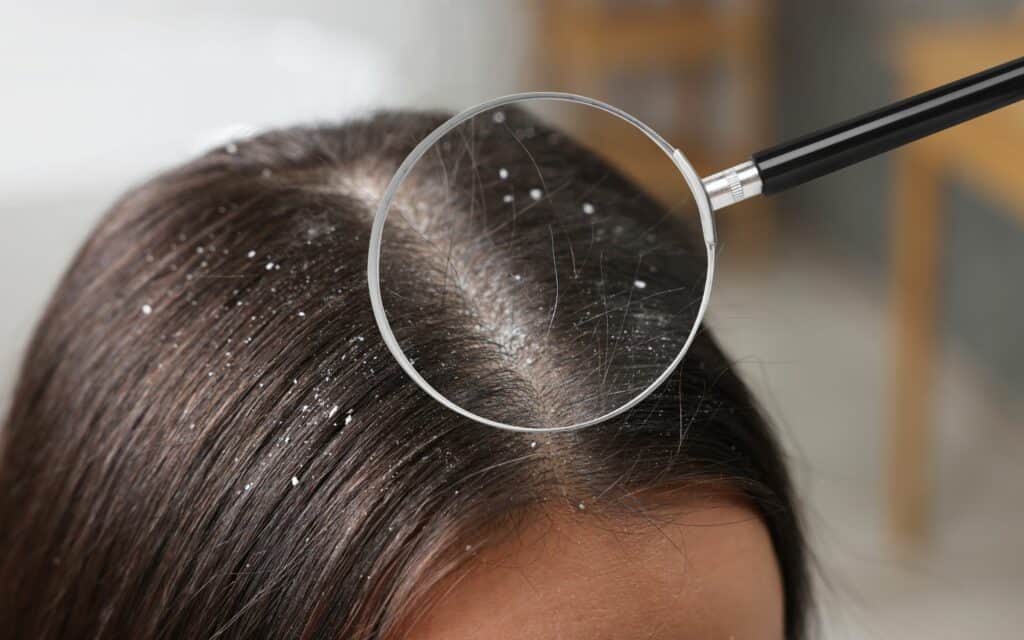
Welcome to The Derm Spot, your trusted source for dermatology and skin care advice. If you’ve ever found yourself scratching your scalp and noticing those pesky white flakes on your shoulders, you’re not alone. Dandruff affects millions, causing not just physical discomfort but also emotional distress.
In this article, we’ll explore effective dandruff solutions that can help you reclaim your confidence and soothe your scalp. Understanding the causes and treatments for dandruff is essential, as it can significantly impact your overall hair health. Let’s dive into practical strategies that can help you wave goodbye to those flakes and enjoy a healthier, more vibrant scalp.
Common Causes of Dandruff
Understanding the common causes of dandruff helps in addressing the issue effectively. Key factors contribute to the development of this condition.
Dry Skin
Dry skin leads to flaky scalp and dandruff. This condition may result from environmental factors, such as cold weather and low humidity. Signs of dry skin include redness, itchiness, and fine flakes. To prevent dry skin, use a humidifier indoors and avoid hot showers. Daily care tips involve moisturizing the scalp with oil or conditioner and using gentle shampoos. If symptoms persist despite home remedies, consider consulting a dermatologist.
Seborrheic Dermatitis
Seborrheic dermatitis causes scaly patches, red skin, and stubborn dandruff. This inflammatory skin condition often stems from an overgrowth of yeast on the scalp. Risk factors include oily skin, stress, hormonal changes, and certain medical conditions. Signs include greasy scales and itching. To manage seborrheic dermatitis, use anti-fungal shampoos, topical corticosteroids, or medicated treatments. For alternative approaches, consider tea tree oil or aloe vera. Maintain a regular washing routine and ensure your hair products are suitable for your scalp condition. Seek professional advice if there’s no improvement with home care.
For further in-depth information on skin health, you can explore our categories, such as Dermatology and Hair Health.
Over-the-Counter Dandruff Solutions
Over-the-counter (OTC) dandruff solutions provide effective treatments for managing dandruff and maintaining scalp health. Understanding the available options can help you choose the right products for your needs.
Shampoos
Shampoos specifically formulated for dandruff often contain active ingredients that target common causes.
- Zinc Pyrithione: This antifungal agent reduces yeast levels on the scalp, easing symptoms like flaking.
- Ketoconazole: Another antifungal option, it effectively combats dandruff linked to seborrheic dermatitis.
- Selenium Sulfide: This ingredient slows down skin cell turnover and lessens scaling on your scalp.
- Coal Tar: This product slows the growth of skin cells, making it suitable for thick flakes.
When selecting a shampoo, look for those labeled as anti-dandruff and follow the instructions for regular use. You can enhance results by leaving the shampoo on for several minutes before rinsing, allowing the ingredients to penetrate effectively. If you notice severe irritation or worsening symptoms, consult a dermatologist for personalized recommendations. For more on hair health solutions, check out Hair Health.
Conditioners
Conditioners optimized for dandruff can help maintain moisture and balance on your scalp without aggravating flakes.
- Moisturizing Conditioners: These hydrate the scalp, which can alleviate dryness and reduce flaking.
- Anti-Fungal Conditioners: They may contain zinc pyrithione, providing dual action along with your dandruff shampoo.
Apply conditioner primarily to the ends of your hair and avoid direct contact with the scalp if you’re using a heavy formula. This practice can prevent buildup that might exacerbate dandruff. Choosing products free of sulfates and synthetic fragrances can also minimize irritation.
Monitor your scalp’s response to these conditioners, and if you experience adverse reactions like increased itching, consult with a healthcare provider. For tips on skin health, explore Skin Health.
Incorporate these dandruff solutions into your routine to achieve a healthier scalp and address common signs of dandruff effectively.
Natural Remedies for Dandruff
Natural remedies offer effective solutions for managing dandruff while promoting scalp health. These options often provide relief from flaking and irritation.
Tea Tree Oil
Tea tree oil functions as a natural antifungal agent that helps reduce the severity of dandruff. Its active compounds, such as terpenes, combat the yeast-like fungus associated with dandruff. Individuals applying diluted tea tree oil experience a reduction in symptoms, including itching and flaking. For treatment, mix a few drops into your regular shampoo or create a scalp oil by combining it with a carrier oil, such as coconut oil, and massage it into your scalp before washing. Regular use leads to noticeable improvements. For more on natural ingredients, explore our Skincare Ingredients A to Z.
Apple Cider Vinegar
Apple cider vinegar balances scalp pH levels and inhibits fungal growth, making it a popular remedy for dandruff. The acetic acid in apple cider vinegar can help reduce itching and flaking. To use, dilute one part apple cider vinegar with three parts water and apply it to your scalp after shampooing. Leave the mixture on for a few minutes before rinsing thoroughly. For optimal results, incorporate this remedy into your routine a couple of times a week. This method not only alleviates dandruff symptoms but also contributes to overall scalp health. For additional tips, visit our Hair Health category.
Lifestyle Changes for Prevention
Lifestyle adjustments significantly reduce dandruff occurrence and improve scalp health. Implementing these changes can lead to a healthier environment for your hair and skin.
Diet and Nutrition
Diet plays a crucial role in scalp health. Foods rich in omega-3 fatty acids, such as salmon and walnuts, promote hydration and scalp nourishment. Vitamins A, B, and E, found in leafy greens, nuts, and fish, support hair growth and reduce dryness. Zinc, present in lean meats and whole grains, helps combat dandruff. Limit sugar and processed foods, as they may worsen inflammation and yeast overgrowth, contributing to dandruff.
Stress Management
Stress significantly impacts skin and scalp health. It can trigger or exacerbate dandruff by increasing oil production and affecting immune function. Incorporate stress-reducing activities, such as yoga, meditation, or regular exercise, into your daily routine. Prioritize sleep, as adequate rest supports skin repair and revitalization. Additionally, consider deep breathing exercises or mindfulness practices to maintain a balanced state, fostering a healthy scalp environment.
For a comprehensive understanding of how to manage skin conditions effectively, explore our categories on Dermatology and Skin Health.
Conclusion
Finding the right solution for dandruff can transform your scalp health and boost your confidence. By understanding the underlying causes and incorporating effective treatments you can tackle flakes effectively. Whether you choose over-the-counter shampoos or natural remedies it’s essential to stay consistent and monitor your scalp’s response.
Don’t forget the impact of lifestyle choices on your scalp condition. A balanced diet stress management and proper hydration play crucial roles in maintaining a healthy scalp. If your efforts don’t yield results consider consulting a professional for tailored advice. With the right approach you can achieve a flake-free scalp and enjoy healthier hair.