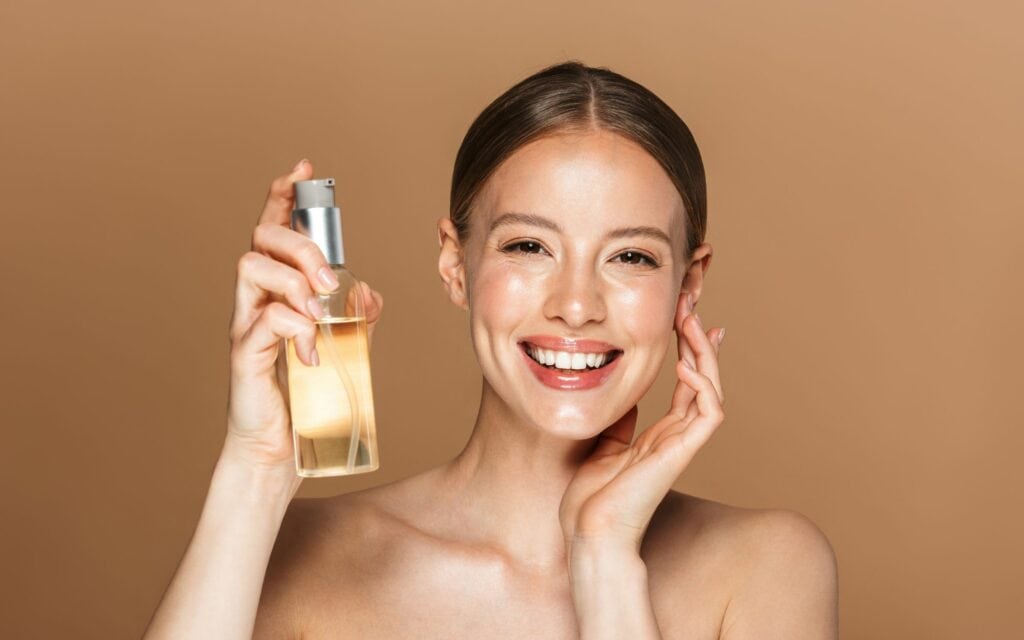

Welcome to The Derm Spot, your trusted source for dermatology and skin care advice. If you’ve been hunting for practical lip care tips that actually keep your lips soft, smooth, and camera-ready no matter the weather, you’re in the right place. Dry, flaky, or stinging lips can hijack your day (and your favorite lipstick). In this guide, you’ll learn what makes lip skin unique, exactly how to build a smart 2026 routine, which ingredients truly help, and how to navigate seasons, travel, and makeup, so your lips stay calm, hydrated, and gorgeous all year.
Why Lip Skin Needs Special Care
Your lips aren’t just another patch of skin. Lip skin is thinner, has fewer oil glands, and lacks the protective stratum corneum density you have on cheeks or hands. Translation: it loses moisture faster, gets irritated more easily, and shows damage sooner. That’s why targeted lip care tips matter.
A few quick realities:
- Minimal natural oil: Your lips rely on you, hydrators, occlusives, and SPF, to maintain comfort.
- High exposure: Eating, speaking, licking, weather, and constant friction accelerate water loss and chapping.
- UV vulnerability: The vermilion (pink part) is especially prone to sun damage: protecting it reduces the risk of actinic damage and premature aging.
Understanding these differences helps you choose smarter daily steps and ingredients that actually support a healthy barrier.
Your 2026 Daily Routine: Morning and Night
A streamlined plan works best. Think: prevent and protect by day, repair and replenish at night. Layer light-to-rich textures, and keep a pocket-sized balm on you for touch-ups.
Morning: Protect and Hydrate
- Start with a sip of water. Internal hydration helps, even for lips.
- Apply a humectant-first balm or serum: look for hyaluronic acid, glycerin, or polyglutamic acid to pull in moisture.
- Seal with an occlusive: petrolatum (petroleum jelly), lanolin, dimethicone, or shea butter. This prevents transepidermal water loss (TEWL).
- SPF is non-negotiable. Use a lip balm with SPF 30+ and reapply every 2 hours outdoors. Mineral filters (zinc oxide) are less likely to sting: chemical filters can be fine if you’re not sensitive.
- Reapply after coffee, meals, or a mask. Keep a stick in your bag, car, desk, make it automatic.
Pro tip: If you wear lipstick, lay down a thin, fully absorbed balm base first. For long-wear formulas, choose a flexible, non-greasy primer-style balm.
Night: Repair and Replenish
- Remove makeup gently with a non-stripping cleanser or micellar water: avoid scrubbing.
- Apply a restorative layer: look for ceramides, squalane, hemisqualane, cholesterol, panthenol, or centella asiatica to calm and rebuild the barrier.
- Seal with a thicker overnight mask (petrolatum, lanolin-rich ointments, or shea/cocoa butter blends). You want a comfortable, occlusive final coat.
- If you’re using mild actives (peptides or low-strength PHAs), apply them before your occlusive. Skip on irritated or cracked lips.
Consistency over complexity wins. Nail this routine, and you’ll solve 80% of common lip concerns.
Exfoliation and Weekly Treatments
Exfoliation should refine, not inflame. Your goal is to lift loose flakes so hydrators work better and lipstick sits smoothly, without compromising your barrier.
Gentle Methods That Work
- Soft washcloth method: After a shower, when lips are naturally hydrated, lightly buff with a warm, damp cloth. Two or three gentle circles max.
- Enzyme or PHA balms: Papain/bromelain or low-percent gluconolactone/polyhydroxy blends can smooth without sting.
- Occlusive soften-and-wipe: Apply a thick layer of petrolatum for 10–15 minutes, then wipe away loosened flakes.
How Often to Exfoliate (and When to Skip)
- Normal to dry lips: 1–2x weekly is plenty.
- Very sensitive or inflamed lips: skip until your barrier is calm for a full week.
- Before events: exfoliate the night before, not minutes before lipstick.
Signs You’re Overdoing It
- Burning or stinging with water or balm
- Shiny, tight-looking lips that feel raw
- Chronic peeling that never fully settles
If you hit these, stop exfoliating for 10–14 days, focus on bland hydration and SPF, and reset your routine. These lip care tips prevent the classic over-exfoliation spiral.
Ingredients to Seek (and Skip) in 2026
Know your INCI list. When you understand what’s inside your balm or mask, you’ll solve problems faster and avoid irritation.
Hydrators, Soothers, and Barrier Builders
- Humectants: hyaluronic acid, glycerin, polyglutamic acid, aloe. Pull water into the top layers.
- Emollients: squalane/hemisqualane, jojoba, meadowfoam, shea, cocoa butter. Smooth and soften texture.
- Occlusives: petrolatum, lanolin, dimethicone, beeswax. Lock in moisture and protect from wind.
- Barrier actives: ceramides, cholesterol, fatty acids, panthenol (B5), allantoin, centella. Support repair and reduce irritation.
Actives and Enhancers for Smoother Lips
- Peptides: can plump the look of fine lip lines with consistent use.
- PHAs (low concentration): gentle smoothing without the sting of traditional AHAs.
- Niacinamide (very low %, or lip-specific): helps barrier function: avoid if you notice tingling.
- SPF filters for daytime: zinc oxide or modern, photostable chemical filters, choose what you’ll reapply.
Note on retinoids: classic retinoids can be too harsh on lips. If you’re retinoid-experienced, you might dab a retinal/retinol-adjacent product just above the lip line for fine lines, not on cracked areas. When in doubt, skip.
Irritants and Red Flags to Avoid
- Sensitizing flavors/fragrances: menthol, camphor, eugenol/clove, cinnamon (cinnamal), peppermint, citrus oils.
- Drying alcohols and astringents: denatured alcohol, strong witch hazel blends.
- Overuse of salicylic acid on lips: too stripping for most people.
- Habit-forming tingle balms: the “minty burn” often means irritation, not treatment.
If you’re unsure about an ingredient, explore our quick reference in Skincare Ingredients A–Z.
Seasonal and Environmental Strategies
Weather, altitude, and air quality change what your lips need. Adjust your lip care tips with small, smart swaps.
Winter: Cold, Wind, and Indoor Heat
- Go richer: switch to balms with petrolatum/lanolin and butters (shea/cocoa).
- Humidify your space: 40–50% indoor humidity reduces overnight dehydration.
- Cover up: a scarf over your mouth on windy days helps more than you’d think.
- Stop licking your lips: saliva enzymes strip moisture and worsen chapping.
Summer: Sun, Sweat, and Saltwater
- SPF 30+ lip balm, reapplied after swimming or every 2 hours.
- Choose water-resistant options for beach/pool days.
- Post-sun replenish: use aloe, panthenol, squalane, and a light occlusive at night.
On the Go: Travel, Altitude, and Air Quality
- Flights: apply a thick balm before takeoff and mid-flight. Cabin air is desert-dry.
- High altitude: lean on occlusives and SPF, reapplying more frequently.
- Poor air days: prioritize barrier-supportive balms (ceramides, cholesterol) and cleanse gently at night to remove particles.
For more environment-driven strategies, browse Skin Health.
Habits, Makeup, and Troubleshooting
Your daily habits and makeup choices can make or break your results.
Daily Habits That Help (and Hurt)
- Do: sip water, use a humidifier, and keep a balm within reach.
- Do: treat lip picking like a no-go zone. Cover flakes with an occlusive until they shed naturally.
- Don’t: lick, bite, or over-scrub. It prolongs irritation.
- Do: check your toothpaste/mouthwash for irritants (SLS, strong essential oils) if your lip edges stay inflamed.
Makeup That Loves Your Lips
- Prep: a thin, fully absorbed balm before color.
- Choose: creamy bullets, satin finishes, or modern flexible mattes that don’t vacuum-seal moisture.
- Line wisely: use a soft, non-drying liner to prevent feathering without tugging.
- Remove gently: micellar water or a mild oil, then a soothing balm.
When to See a Professional
- Persistent cracking at mouth corners, yellow crusting, or bleeding, possible angular cheilitis or infection.
- Scaly, non-healing, or repeatedly sun-damaged spots, get evaluated for actinic changes.
- Chronic rash around the lips, could be perioral dermatitis or contact allergy.
A board-certified dermatologist can identify triggers, suggest medicated balms, or discuss in-office options. If you want broader guidance, explore our Dermatology hub. For cosmetic paths like smoothing fine lip lines, see our curated Cosmetic Treatments.
Conclusion
Great lips aren’t luck, they’re a routine. Focus on daily protection (SPF + hydration), nighttime repair (barrier-first formulas), and gentle weekly polish. Keep a short list of hero ingredients, avoid sneaky irritants, and adapt to your environment. These lip care tips will carry you through 2026 with comfortable, soft lips that look as healthy as they feel.
Frequently Asked Questions
Why does lip skin need special care compared to facial skin?
Lip skin is thinner, has fewer oil glands, and lacks a robust stratum corneum, so it loses moisture faster and irritates easily. High exposure to speaking, eating, licking, and UV accelerates chapping. Targeted lip care tips—hydration, occlusion, and SPF—help maintain a stronger barrier and healthier, hydrated lips.
What is the best 2026 lip care routine for morning and night?
Morning: hydrate, use a humectant-rich balm (hyaluronic acid, glycerin), seal with an occlusive (petrolatum, lanolin, dimethicone), and apply SPF 30+—reapply after meals. Night: gently cleanse, layer barrier-repair actives (ceramides, squalane, panthenol), then seal with a thicker overnight mask. Consistency beats complexity for soft, hydrated lips.
How often should I exfoliate my lips, and how do I avoid over-exfoliation?
Limit exfoliation to 1–2 times weekly for normal-to-dry lips; skip entirely if lips are irritated. Use gentle methods like a damp washcloth, enzyme/PHA balms, or a soften-and-wipe petrolatum mask. Warning signs include stinging with water, shiny tightness, or chronic peeling—pause 10–14 days and focus on bland hydration.
Which ingredients should I seek and avoid for hydrated lips in 2026?
Seek humectants (hyaluronic acid, glycerin), emollients (squalane, jojoba, shea), occlusives (petrolatum, lanolin, dimethicone), and barrier actives (ceramides, cholesterol, panthenol, centella). Avoid sensitizers like menthol, camphor, peppermint, citrus oils, drying alcohols, and overuse of salicylic acid. These lip care tips minimize irritation and maintain hydration.
Is petroleum jelly safe for lips, and does it actually hydrate?
USP-grade petrolatum is considered safe for lips. It doesn’t add water itself; it acts as an occlusive seal that prevents transepidermal water loss, helping your existing moisture and humectants work better. For best results, apply a light humectant layer first, then lock it in with petrolatum.
When should I see a dermatologist for chapped or damaged lips?
Seek professional care if cracking at the corners persists (possible angular cheilitis), you notice yellow crusting or bleeding, or scaly spots don’t heal—especially after sun exposure. Also consult for chronic rashes around the mouth or suspected contact allergies. Early evaluation prevents complications and speeds targeted treatment.