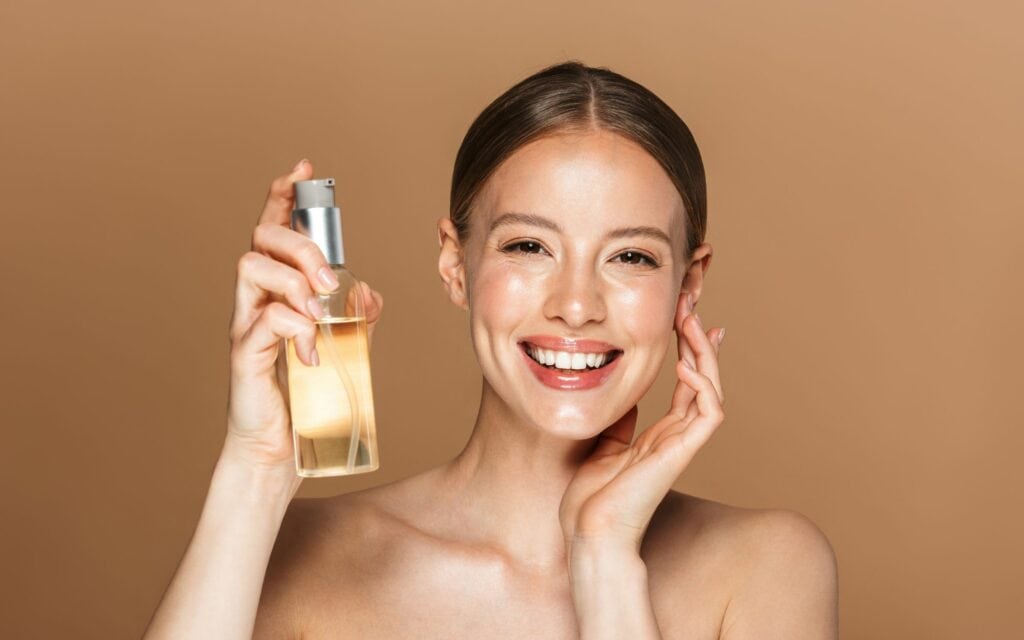

Welcome to The Derm Spot, your trusted source for dermatology and skin care advice. If you’ve been searching for effective ways to use essential oils for dry skin, you’re not alone. Maybe your cheeks feel tight after cleansing, or your shins look dull and flaky no matter how much lotion you slather on. This guide shows you how essential oils can fit, carefully and strategically, into a dry-skin routine, what to avoid, and how to get results without irritation. You’ll learn which oils to pick, how to dilute them, and how to use them alongside your current skincare for healthier, more comfortable skin.
What Causes Dry Skin and How Essential Oils Fit In
Dry skin happens when your moisture barrier (the outermost layer of your skin) isn’t holding onto water and lipids as it should. Cold weather, over-cleansing, hot showers, low humidity, aging, and some medications can all make it worse. You’ll notice tightness, rough patches, dullness, and sometimes itch.
Barrier Support and Inflammation
Your barrier needs two things: water and lipids. Humectants like glycerin pull in water: occlusives and emollients (think ceramides, squalane, and oils) seal and soften. Some essential oils for dry skin can complement this by offering anti-inflammatory or soothing constituents, like bisabolol in German chamomile or linalool/linalyl acetate in true lavender (Lavandula angustifolia). These may help calm the look of redness or tight, wind-chapped skin when used at low dilutions and paired with a solid moisturizer.
Important reality check: essential oils aren’t moisturizers by themselves. They’re highly concentrated aroma compounds. The real moisture and barrier repair comes from your base, gentle cleanser, hydrating serum, and a well-formulated cream or carrier oil. Essential oils are the garnish, not the main course.
Essential Oils Versus Carrier Oils
- Carrier oils (like jojoba, squalane, oat, argan) provide emollients and occlusion. They help reduce transepidermal water loss.
- Essential oils are volatile compounds distilled or expressed from plants. They bring scent and specific actives but can irritate if overused.
For dry skin, the win often comes from a great carrier blend with tiny amounts of essential oils for skin comfort, not the other way around. If you’re extremely dry or sensitive, you can skip essential oils entirely and still get excellent results from carriers alone. For more background on barrier care, explore our skin health and dermatology resources.
Best Essential Oils for Dry Skin in 2025
There isn’t one magic oil, but several gentle options are consistently well-tolerated when used correctly. Here’s how to narrow it down.
Gentle, Everyday Options
- Lavender (Lavandula angustifolia): A versatile cornerstone for dry, tight skin. Choose GC/MS-tested lavender to ensure low adulteration and a calmer linalyl acetate profile.
- Roman Chamomile (Chamaemelum nobile) or German Chamomile (Matricaria recutita): Roman is great for comfort: German contains chamazulene, which lends a blue hue and anti-inflammatory reputation.
- Sandalwood (Santalum album or sustainably sourced S. spicatum): A soft, woody note that plays nicely in night oils: pick certified-sustainable sources only.
- Frankincense (Boswellia carterii/sacra): Often used in evening blends: pairs well with rich carriers for a cocooning feel.
- Neroli (Citrus aurantium var. amara flower): A luxe, skin-comfort scent at very low percentages: think special-occasion night routine.
- Copaiba (Copaifera spp., often an oleoresin EO): Known for beta-caryophyllene: a subtle option when dryness comes with general discomfort.
These are the essential oils for dry skin that most people tolerate best at 0.25–0.5% for the face and up to 1% for the body. Keep it low and simple.
Targeted Options for Itch or Redness
- Blue Tansy (Tanacetum annuum): The chamazulene gives it that blue tint and a calming profile: use sparingly (it can stain).
- Helichrysum (Helichrysum italicum): A pricier pick for stressed or wind-burned skin: extremely low dilution recommended.
- Rose (Rosa damascena): Potent and fragrant: a drop goes a long way for comfort.
- Patchouli (Pogostemon cablin): Earthy and underrated for very dry body skin at low percentages.
A quick caution list for dry skin: tea tree and peppermint can feel drying or sensitizing: citrus oils may be irritating and, if cold-pressed, phototoxic (more on that below). If you want their scent, keep them for body blends at conservative dilutions, and avoid sunlight exposure after application when applicable.
Carriers and Safe Dilutions
Carriers do the heavy lifting for dryness. Build your blend around them, then add essential oils for dry skin at low percentages.
Top Carrier Oils for Dry Skin
- Squalane: Lightweight, non-greasy, biomimetic. Great for layering under moisturizer.
- Jojoba: Technically a wax ester: excellent for barrier feel and stability.
- Oat oil: Contains polar lipids and avenanthramides known for soothing.
- Argan or Marula: Medium-weight emollients for night-time comfort.
- Meadowfoam: Highly stable: helps extend shelf life of blends.
- Shea butter (as a balm base): Occlusive and softening for body dry patches.
Explore more emollients in our Skincare Ingredients A–Z library.
Face and Body Dilution Guidelines
Keep it conservative, your barrier will thank you.
- Face: 0.25–0.5% total essential oils (that’s about 1–2 drops per tablespoon/15 mL of carrier). Extremely sensitive? Start at 0.1%.
- Body: 0.5–1% for daily body oil: up to 2–3% for short-term spot use on elbows/knees (not for the face).
- Lips, eye area: Avoid essential oils entirely.
- Kids, pregnancy, and compromised skin: Use lower dilutions or skip essential oils: rely on carriers and fragrance-free moisturizers.
How to Use Them in Your Routine
The best routines for dryness are boring, in a good way. Gentle cleanser, hydrating layer, emollients, then (maybe) a tiny essential oil blend.
Patch Test and Ramp-Up
- Blend your carrier base first. Add essential oils for dry skin at the final, low percentage.
- Patch test on the inner forearm for 24–48 hours. No redness or itch? Proceed.
- Apply 2–3 nights per week for the first two weeks: increase frequency only if your skin is calm.
If you use retinoids, exfoliating acids, or have a history of eczema, be extra conservative. For eczema-prone skin, fragrance-free routines often perform better: essential oils may not be appropriate during flares. Our dermatology hub covers when to simplify your routine entirely.
Layering With Actives and Moisturizers
- After cleansing, apply a hydrating serum (glycerin + hyaluronic acid) or mist. Then your carrier/EO blend. Seal with a ceramide-rich cream.
- Using retinoids? Alternate nights. Keep your essential-oil nights minimal and buffer with a heavier moisturizer.
- Post in-office procedures (peels, lasers, microneedling): skip essential oils until your clinician clears you. Opt for bland emollients only. See more on aftercare in cosmetic treatments.
- For body care, apply on damp skin after showering, then layer a fragrance-free lotion if you need extra occlusion. More tips live in our body care guides.
Safety and Storage
Essential oils are potent. A few smart safeguards keep your dry skin comfortable instead of cranky.
Phototoxicity and Contraindications
- Phototoxic oils: cold-pressed bergamot (most potent), lime, lemon, grapefruit, and bitter orange. Avoid sun exposure for 12–24 hours if you’ve applied them. Steam-distilled versions are typically non-phototoxic but still may irritate dry skin.
- Sensitive groups: children, pregnancy/breastfeeding, epilepsy, and those with asthma or fragrance allergies should consult a clinician before using essential oils for dry skin. Avoid wintergreen/birch (methyl salicylate), high-thujone sages, and high-1,8-cineole blends near the face.
- Broken skin, active eczema, or post-procedure skin: skip essential oils entirely until healed.
If any stinging, redness, or itch persists beyond 24 hours, discontinue and switch to fragrance-free care. If symptoms worsen, seek medical advice, our dermatology articles explain warning signs.
Oxidation, Shelf Life, and Storage
Oxidized oils are far more sensitizing. Protect your blends like pantry essentials:
- Store in amber/blue glass, tightly capped, away from heat and light.
- Decant into smaller bottles to minimize oxygen exposure.
- Typical timelines: citrus (6–12 months), monoterpenol-rich oils like lavender (2–3 years), sesquiterpene-heavy oils like sandalwood/patchouli (4+ years). Label your open date.
- If an oil smells sharp/varnish-like or the color shifts dramatically, retire it.
Choosing Quality and Sustainability in 2025
The market’s maturing, in a good way. You can (and should) demand transparency.
Reading Labels and GC/MS Reports
- Look for the Latin name, country of origin, batch/lot, and extraction method (steam-distilled vs. cold-pressed).
- Ask for GC/MS (gas chromatography/mass spectrometry) reports. They help confirm purity and flag major allergens like limonene, linalool, or citral that can oxidize and irritate.
- IFRA guidance: reputable brands formulate within safety limits and disclose recommended maximums for leave-on products.
Sourcing and Allergen Disclosure
- Choose sustainably managed species. Prefer Australian sandalwood (S. spicatum) or certified New Caledonian over endangered sources: avoid threatened hardwoods like rosewood.
- Organic or pesticide-screened options can reduce residue risk, but purity and freshness matter more for your skin.
- Look for explicit allergen disclosure and freshness dating. For sensitive skin, smaller bottles make sense, you’ll actually use them before they oxidize.
You’ll find ingredient deep dives and comparisons in our Skincare Ingredients A–Z section.
Conclusion
Essential oils for dry skin can be helpful, if you treat them like seasonings, not the meal. Prioritize barrier-first basics, then add 1–2 gentle oils at very low dilutions inside a great carrier base. Patch test, go slow, and skip them during flares or after procedures. If your skin doesn’t tolerate fragrance at all, that’s okay, carriers and ceramide-rich creams can fully carry your routine. When in doubt or if dryness won’t quit, loop in a professional: our skin health and dermatology hubs are a good place to start.
Frequently Asked Questions
What are the best essential oils for dry skin in 2025?
Gentle options include lavender, Roman or German chamomile, sandalwood (sustainably sourced), frankincense, neroli, and copaiba. For targeted comfort, blue tansy, helichrysum, rose, and low-dose patchouli can help. Use essential oils for dry skin at 0.25–0.5% for the face and up to 1% for body blends.
How do I dilute essential oils for dry skin on the face and body?
Keep it conservative. Face: 0.25–0.5% total essential oils (about 1–2 drops per tablespoon/15 mL of carrier). Extremely sensitive: start at 0.1%. Body: 0.5–1% for daily oils; up to 2–3% short-term on rough elbows/knees. Avoid essential oils on lips and the eye area.
How should I layer essential oils for dry skin with moisturizers, serums, and retinoids?
After cleansing, apply a hydrating serum, then your carrier blend with essential oils for dry skin, and seal with a ceramide-rich moisturizer. If using retinoids, alternate nights, keep EO dilutions low, and buffer with a heavier cream. Post-procedure or during flares, skip essential oils entirely.
Which essential oils should people with dry, sensitive skin avoid or limit?
Tea tree and peppermint can feel drying or sensitizing. Cold-pressed citrus oils—especially bergamot, plus lime, lemon, grapefruit, and bitter orange—are phototoxic; avoid sun exposure for 12–24 hours if used. Children, pregnancy, asthma, epilepsy, or fragrance allergies warrant extra caution. Skip essential oils on broken or post-procedure skin.
Is rosehip oil an essential oil or a carrier oil for dry skin?
Rosehip is a carrier oil, not an essential oil. It’s rich in linoleic and alpha-linolenic acids and can support a dry, depleted barrier when layered under a moisturizer. Use it alone or as the base for very low-dose EO blends; patch test if you’re sensitive or acne-prone.
Do dermatologists recommend essential oils for dry skin, or should I go fragrance-free?
Many dermatology sources advise a barrier-first, fragrance-free approach—especially for sensitive or eczema-prone skin. Essential oils can be used cautiously at very low dilutions if you tolerate fragrance and patch test well. If irritation occurs, discontinue and rely on carriers plus ceramide-rich creams for effective, low-risk moisture support.