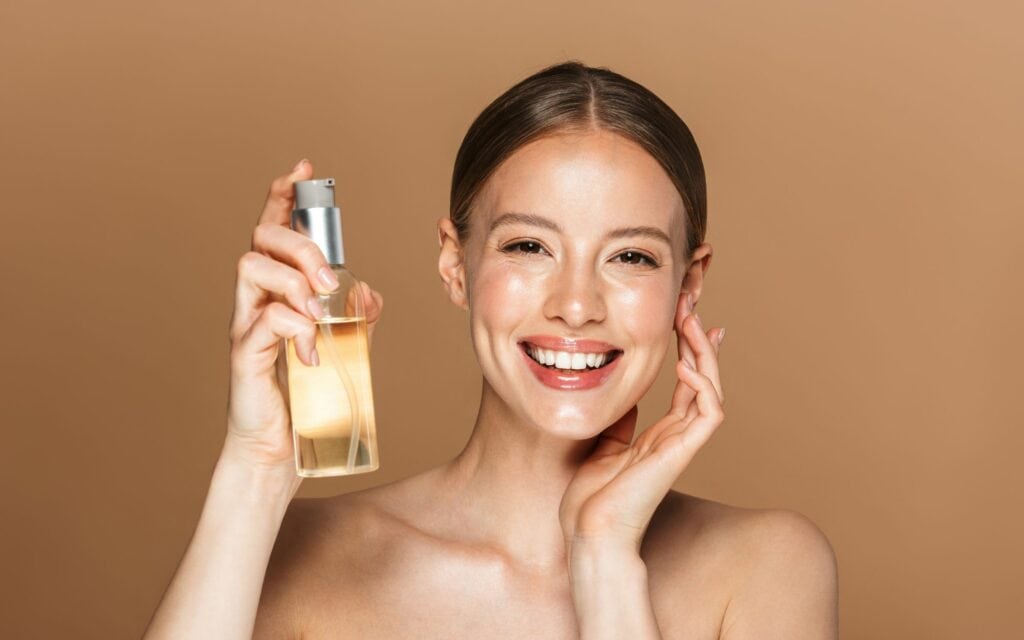

When it comes to natural skincare remedies, one ingredient that has been gaining significant attention is hemp seed oil. Derived from the seeds of the Cannabis sativa plant, hemp seed oil is rich in essential nutrients that can work wonders for your skin. In this blog post, we will delve into the various benefits of hemp seed oil for skin health and explore how you can incorporate it into your skincare routine. From its moisturizing properties to its ability to reduce inflammation and promote skin cell regeneration, hemp seed oil is a versatile and effective addition to any skincare regimen. So, let’s dive in and discover the incredible benefits of hemp seed oil for your skin!
Introduction: What is Hemp Seed Oil?
Hemp seed oil, also known as hemp oil, is a clear, greenish oil extracted from the seeds of the Cannabis sativa plant. While derived from the same plant species as marijuana, hemp seed oil contains negligible levels of THC (the psychoactive compound), making it non-intoxicating and safe for skincare use.
Hemp seed oil has been used for centuries in various cultures for its nutritional and medicinal benefits. It is rich in essential fatty acids, vitamins, minerals, and antioxidants, which contribute to its numerous positive effects on the skin.
Unlike CBD oil, which is derived from the flowers, leaves, and stalks of the hemp plant, hemp seed oil is obtained solely from the seeds. This means that it does not contain cannabidiol (CBD), the compound known for its potential therapeutic properties. Instead, hemp seed oil focuses on providing nourishment and hydration to the skin.
With its increasing popularity as a natural skincare ingredient, it is important to understand the key components and benefits of hemp seed oil for skin health. In the following sections, we will explore its nutritional profile and delve into the specific advantages it offers for your skin.
Exploring the Nutritional Profile of Hemp Seed Oil
Hemp seed oil is a powerhouse of nutrients that can greatly benefit your skin. Let’s take a closer look at its nutritional profile and understand the specific components that make it so beneficial:
Essential Fatty Acids
Hemp seed oil is exceptionally rich in essential fatty acids, particularly omega-3 and omega-6. These fatty acids play a crucial role in maintaining the health and integrity of the skin. Omega-3 fatty acids help to reduce inflammation and support skin cell regeneration, while omega-6 fatty acids help to maintain the skin’s natural barrier function and prevent moisture loss. The optimal balance of these fatty acids in hemp seed oil contributes to its ability to nourish and protect the skin.
Vitamins and Minerals
Hemp seed oil is also packed with vitamins and minerals that promote skin health. It contains vitamin E, a potent antioxidant that helps to protect the skin from free radical damage and premature aging. Vitamin E also has moisturizing properties, keeping the skin hydrated and smooth. Additionally, hemp seed oil is a good source of minerals such as potassium, magnesium, calcium, phosphorus, and zinc, which are essential for maintaining healthy skin.
Antioxidants
Antioxidants are crucial for combating the harmful effects of oxidative stress, which can lead to skin damage and aging. Hemp seed oil contains various antioxidants, including tocopherols and tocotrienols (forms of vitamin E), as well as phytosterols. These antioxidants help to neutralize free radicals, reduce inflammation, and promote overall skin health.
By harnessing the power of these essential fatty acids, vitamins, and antioxidants, hemp seed oil provides a potent combination of nutrients that can work wonders for your skin. In the next section, we will explore the specific impact of hemp seed oil on skin health, including its moisturizing, anti-inflammatory, and skin cell regeneration properties.
The Impact of Hemp Seed Oil on Skin Health
Hemp seed oil offers a wide range of benefits for skin health. Let’s explore the specific ways in which it can positively impact your skin:
Moisturization
One of the key benefits of hemp seed oil is its excellent moisturizing properties. The fatty acids present in hemp seed oil help to create a protective barrier on the skin, preventing moisture loss and keeping the skin hydrated. This makes it an ideal choice for individuals with dry or dehydrated skin. Regular use of hemp seed oil can help to improve skin elasticity, smoothness, and overall hydration.
Anti-Inflammation
Inflammation is a common underlying factor in many skin conditions, such as acne, eczema, and psoriasis. Hemp seed oil contains anti-inflammatory compounds, including gamma-linolenic acid (GLA), which can help to calm and soothe inflamed skin. By reducing inflammation, hemp seed oil can alleviate symptoms associated with various skin conditions and promote a healthier complexion.
Skin Cell Regeneration
The omega-3 and omega-6 fatty acids found in hemp seed oil play a crucial role in supporting the regeneration of skin cells. These fatty acids help to stimulate the production of new skin cells, resulting in a smoother and more youthful complexion. Additionally, hemp seed oil contains linoleic acid, which helps to heal and repair damaged skin. By promoting skin cell regeneration, hemp seed oil can improve the overall texture and appearance of the skin.
Balancing Oil Production
Contrary to popular belief, hemp seed oil is non-comedogenic, meaning it does not clog pores or contribute to acne breakouts. In fact, hemp seed oil has the ability to balance oil production in the skin. It can help to regulate sebum production, making it suitable for individuals with oily or acne-prone skin. By keeping the skin’s natural oil levels in check, hemp seed oil can prevent the formation of clogged pores and reduce the occurrence of breakouts.
The impact of hemp seed oil on skin health extends beyond just moisturization. Its anti-inflammatory properties, ability to promote skin cell regeneration, and capacity to balance oil production make it a versatile and effective ingredient for achieving healthier and more radiant skin. In the next section, we will discuss how you can incorporate hemp seed oil into your skincare routine to reap its benefits fully.
How to Incorporate Hemp Seed Oil into Your Skincare Routine
Incorporating hemp seed oil into your skincare routine is a simple and effective way to harness its benefits for your skin. Here are some methods to consider:
Topical Application
One of the most common ways to use hemp seed oil is through topical application. You can apply it directly to your skin or incorporate it into your existing skincare products. Here’s how to do it:
1.Cleansing: Begin by cleansing your face with a gentle cleanser to remove dirt and impurities.
2.Toner: After cleansing, use a toner to balance the pH levels of your skin and prepare it for the next step.
3.Hemp seed oil application: Take a few drops of hemp seed oil and gently massage it onto your face and neck. Pay extra attention to areas that need extra hydration or have specific skin concerns. Allow the oil to absorb into your skin before proceeding to the next step.
4.Moisturizer: Follow up with your regular moisturizer to lock in the benefits of hemp seed oil and provide additional hydration.
5.Sunscreen: If applying hemp seed oil during the day, make sure to finish with a broad-spectrum sunscreen to protect your skin from harmful UV rays.
Dietary Intake
In addition to topical application, incorporating hemp seed oil into your diet can also contribute to skin health. Hemp seed oil is a versatile ingredient that can be used in various culinary preparations. Here’s how you can include it in your diet:
1.Salad Dressings: Use hemp seed oil as a base for homemade salad dressings. Its nutty flavor adds a delicious twist to your greens while providing essential nutrients to your body.
2.Smoothies: Add a tablespoon of hemp seed oil to your favorite smoothie recipe. It blends well with fruits and vegetables, adding a nutritional boost to your beverage.
3.Drizzling: Drizzle hemp seed oil over cooked vegetables, grains, or roasted nuts to enhance the flavor and nutrient content of your meals.
Choosing Quality Hemp Seed Oil Products
When incorporating hemp seed oil into your skincare routine, it is crucial to choose high-quality products. Look for cold-pressed or unrefined hemp seed oil, as these methods help retain the oil’s natural nutrients and beneficial compounds. Additionally, consider products that are organic and sourced from reputable brands to ensure purity and efficacy.
By incorporating hemp seed oil topically and through dietary intake, you can maximize its benefits for your skin. Experiment with different methods and find what works best for you. In the next section, we will discuss precautions and considerations to keep in mind when using hemp seed oil for skincare.
Precautions and Considerations When Using Hemp Seed Oil
While hemp seed oil is generally safe for most individuals, there are a few precautions and considerations to keep in mind when using it for skincare. Here are some important factors to consider:
Potential Allergic Reactions
Although rare, some individuals may have allergies or sensitivities to hemp seed oil. If you have a known allergy to hemp or any other related plants, it is advisable to perform a patch test before applying hemp seed oil to your entire face or body. Apply a small amount of diluted oil to a small patch of skin and wait for 24 hours to check for any adverse reactions or irritation.
Interactions with Other Skincare Products
Hemp seed oil is generally compatible with other skincare products. However, it is important to consider how it may interact with certain ingredients. For example, if you are using any prescription medications or topical treatments for skin conditions, it is recommended to consult with your healthcare provider or dermatologist before incorporating hemp seed oil into your routine. They can provide guidance on potential interactions and ensure the compatibility of different products.
Storing Hemp Seed Oil
To maintain the freshness and efficacy of hemp seed oil, proper storage is essential. Store the oil in a cool, dark place away from direct sunlight and heat. Exposure to light and heat can degrade the oil and reduce its effectiveness. Additionally, ensure that the bottle is tightly sealed to prevent oxidation.
Legal Considerations
While hemp seed oil is legal in many countries, it is important to be aware of the legal regulations specific to your location. Familiarize yourself with the laws regarding hemp-derived products to ensure compliance and avoid any legal issues.
As with any new skincare product, it is always recommended to consult with a healthcare professional or dermatologist if you have any concerns or specific skin conditions. They can provide personalized advice and guidance based on your individual needs.
By keeping these precautions and considerations in mind, you can safely and effectively incorporate hemp seed oil into your skincare routine. In the concluding section, we will summarize the key points discussed and emphasize the benefits of embracing hemp seed oil for skin health.
Conclusion: Embracing Hemp Seed Oil for Skin Health
In conclusion, hemp seed oil is a remarkable natural ingredient that offers numerous benefits for skin health. Its rich nutritional profile, including essential fatty acids, vitamins, minerals, and antioxidants, makes it a valuable addition to any skincare routine. From moisturizing and hydrating the skin to reducing inflammation and promoting skin cell regeneration, hemp seed oil has transformative effects on the complexion.
Incorporating hemp seed oil into your skincare routine is simple and versatile. Whether through topical application or dietary intake, you can harness the power of this incredible oil to nourish and protect your skin. By choosing high-quality products and considering potential allergies or interactions, you can enjoy the benefits of hemp seed oil without any adverse effects.
Remember to perform a patch test before using hemp seed oil extensively and consult with a healthcare professional or dermatologist if you have any concerns or specific skin conditions. They can provide personalized guidance and ensure the compatibility of hemp seed oil with your skincare regimen.
So, if you’re seeking a natural and effective solution for healthier, more radiant skin, don’t hesitate to embrace the power of hemp seed oil. Unlock the potential of this remarkable ingredient and experience the transformative benefits it offers for your skin. Incorporate hemp seed oil into your skincare routine and witness the positive impact it can have on your skin health.