
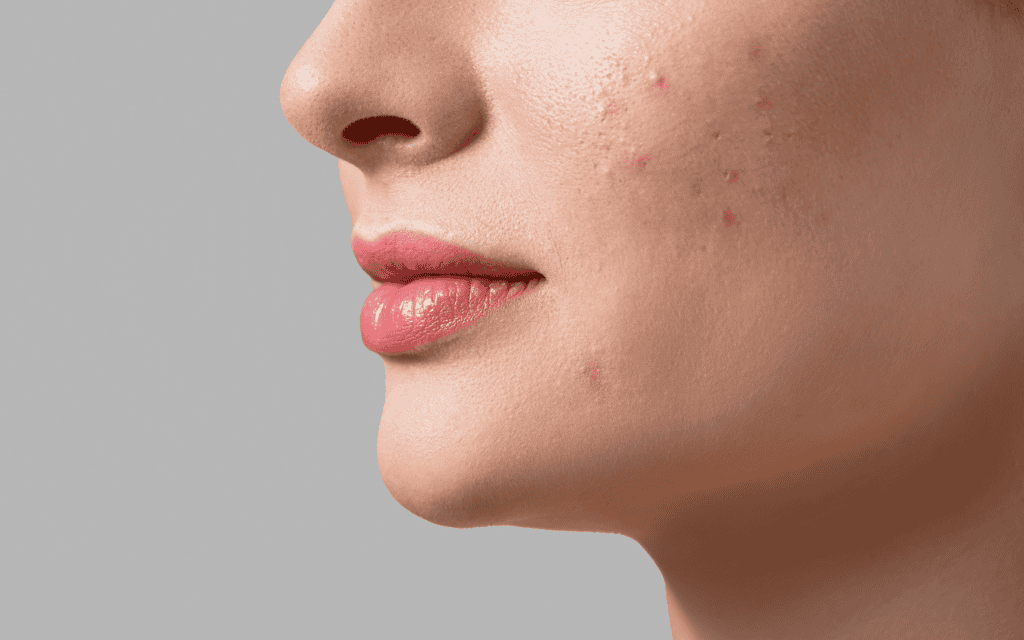
Are you struggling with painful and persistent cystic acne? If so, you’re not alone. Cystic acne is a common skin condition that can cause frustration and embarrassment. But don’t worry, there are effective ways to get rid of it and achieve clear, healthy skin.
In this blog post, we will explore the causes and symptoms of cystic acne, as well as various home remedies that can help alleviate the condition. We will also discuss medical treatments, including over-the-counter products, prescription medications, and dermatological procedures.
Prevention is key when it comes to future cystic acne breakouts, so we will provide tips on maintaining a consistent skincare routine, the importance of regular dermatologist check-ups, and lifestyle changes that can promote healthy skin.
Furthermore, we will address the psychological impact of cystic acne and offer strategies for dealing with the emotional effects. Understanding the emotional toll of this condition is crucial, and we will discuss when it may be necessary to seek professional help and provide self-care techniques to promote overall well-being.
So, if you’re tired of dealing with the discomfort and self-consciousness caused by cystic acne, keep reading. By implementing the tips and techniques shared in this blog post, you’ll be well on your way to achieving clear and radiant skin.
Understanding Cystic Acne: Causes and Symptoms
Cystic acne is a severe form of acne that is characterized by deep, painful, and inflamed cysts beneath the skin’s surface. Understanding the causes and symptoms of cystic acne is crucial in effectively treating and managing this condition.
Causes of Cystic Acne:
- Hormonal Imbalance: Hormonal fluctuations, especially during puberty, menstrual cycles, and pregnancy, can contribute to the development of cystic acne. Increased levels of androgens, such as testosterone, can stimulate the production of sebum, leading to clogged pores and the formation of acne.
- Genetics: Family history plays a significant role in determining one’s susceptibility to cystic acne. If your parents or siblings have had a history of severe acne, you may be more prone to developing cystic acne.
- Excessive Sebum Production: Overproduction of sebum, the oil that lubricates the skin, can contribute to the development of cystic acne. When there is an excess of sebum, it can mix with dead skin cells and bacteria, leading to clogged pores and inflammation.
- Bacterial Infection: The presence of Propionibacterium acnes, a type of bacteria that naturally resides on the skin, can exacerbate cystic acne. When these bacteria multiply, they can cause inflammation and infection within the clogged pores.
- Inflammatory Response: In some individuals, the body’s immune system may react excessively to the presence of bacteria, leading to inflammation and the formation of cystic acne.
Symptoms of Cystic Acne:
- Large, painful, and deep-seated cysts: Cystic acne is characterized by the formation of large, tender, and inflamed bumps beneath the skin’s surface.
- Redness and Swelling: The affected area may appear red, swollen, and irritated due to the inflammatory response triggered by cystic acne.
- Scarring: Cystic acne can often lead to scarring, as the inflammation and infection can damage the surrounding skin tissue.
- Pustules and Nodules: Cystic acne can also manifest as pustules and nodules, which are pus-filled or solid bumps that develop beneath the skin.
- Pain and Discomfort: Cystic acne can be extremely painful and tender to the touch, causing discomfort and sensitivity in the affected area.
By understanding the causes and symptoms of cystic acne, you can better identify and address the underlying factors contributing to this condition. This knowledge will guide you in choosing the appropriate treatment methods and developing an effective skincare routine to combat cystic acne.
Home Remedies for Cystic Acne
While medical treatments for cystic acne can be effective, many individuals prefer to explore natural and home remedies as a first line of defense. These remedies can help reduce inflammation, promote healing, and prevent future breakouts. Here are some home remedies that have shown promising results in managing cystic acne:
Why Home Remedies Can Be Effective:
- Natural Ingredients: Home remedies often utilize natural ingredients that have anti-inflammatory, antibacterial, and soothing properties. These ingredients can help calm down the skin, reduce redness, and prevent infection.
- Cost-effective: Home remedies are generally more affordable compared to medical treatments, making them accessible to a wider range of individuals.
- Availability: Home remedies typically involve ingredients that can be found in your kitchen or local grocery store, making them convenient and easily accessible.
Essential Oils and Their Benefits:
- Tea Tree Oil: Tea tree oil has powerful antibacterial properties that can help kill acne-causing bacteria. It also possesses anti-inflammatory properties that can reduce redness and swelling associated with cystic acne.
- Lavender Oil: Lavender oil has soothing and calming properties that can help alleviate inflammation and promote healing.
- Rosehip Oil: Rosehip oil is rich in antioxidants and essential fatty acids, which can help nourish the skin, fade acne scars, and promote skin regeneration.
- Jojoba Oil: Jojoba oil closely resembles the natural sebum produced by our skin. It can help balance oil production, moisturize the skin, and reduce acne-related inflammation.
Dietary Changes for Clear Skin:
- Avoiding Trigger Foods: Certain foods, such as dairy, processed sugars, and high-glycemic index foods, can contribute to acne breakouts. It is important to identify and avoid these trigger foods to help manage cystic acne.
- Consuming Antioxidant-rich Foods: Foods rich in antioxidants, such as fruits, vegetables, and green tea, can help reduce inflammation and promote overall skin health.
- Omega-3 Fatty Acids: Including foods high in omega-3 fatty acids, such as fatty fish, flaxseeds, and walnuts, can help reduce inflammation and improve skin health.
Hydration and its Importance in Skin Health:
- Drinking Sufficient Water: Staying hydrated is essential for maintaining healthy skin. Drinking an adequate amount of water can help flush out toxins, keep the skin moisturized, and promote overall skin health.
- Herbal Teas and Infusions: Certain herbal teas, such as chamomile and green tea, contain antioxidants and anti-inflammatory properties that can benefit the skin when consumed or used topically.
While home remedies can be effective in managing cystic acne, it is important to remember that results may vary. It is recommended to consult with a dermatologist before trying any home remedies, especially if you have severe or persistent cystic acne.
Medical Treatments for Cystic Acne
When home remedies fail to provide sufficient relief from cystic acne, medical treatments can offer more targeted and powerful solutions. These treatments are typically prescribed or performed by dermatologists and can effectively reduce inflammation, control bacterial growth, and promote healing. Here are some commonly used medical treatments for cystic acne:
Over-the-counter Products:
- Topical Retinoids: These medications, such as tretinoin and adapalene, work by unclogging pores, reducing inflammation, and promoting skin cell turnover. They are available in various forms, including creams, gels, and lotions.
- Benzoyl Peroxide: Benzoyl peroxide kills acne-causing bacteria and helps clear clogged pores. It is available in different strengths and can be found in cleansers, creams, and spot treatments.
- Salicylic Acid: Salicylic acid helps exfoliate the skin and unclog pores. It is commonly found in cleansers, toners, and spot treatments.
Prescription Medications:
- Oral Antibiotics: Antibiotics like doxycycline, minocycline, and tetracycline can help control bacterial growth and reduce inflammation. They are typically prescribed for a short period to avoid antibiotic resistance.
- Oral Contraceptives: For women, certain oral contraceptives that contain estrogen and progestin can help regulate hormone levels and reduce the severity of cystic acne.
- Isotretinoin: Isotretinoin, also known as Accutane, is a powerful medication reserved for severe cases of cystic acne. It reduces oil production, unclogs pores, and has long-lasting effects. However, it can have significant side effects, and close monitoring by a dermatologist is required.
Dermatological Procedures:
- Corticosteroid Injections: Dermatologists can administer corticosteroid injections directly into cystic acne lesions to quickly reduce inflammation and promote healing.
- Drainage and Extraction: In cases where cystic acne lesions are large and painful, a dermatologist may perform a procedure to drain and extract the contents of the cyst, helping to alleviate pain and expedite healing.
- Laser and Light Therapies: Various laser and light-based therapies, such as photodynamic therapy and laser resurfacing, can target acne-causing bacteria, reduce inflammation, and promote collagen production to improve skin texture.
It is essential to consult with a dermatologist to determine the most suitable medical treatment for your specific case of cystic acne. They will evaluate the severity of your condition and consider factors like medical history and potential side effects before prescribing or performing any treatments.
How to Prevent Future Cystic Acne Breakouts
Preventing future cystic acne breakouts is just as important as treating existing ones. By adopting certain habits and making lifestyle changes, you can significantly reduce the likelihood of future flare-ups. Here are some effective strategies to prevent cystic acne breakouts:
Maintaining a Consistent Skincare Routine:
- Gentle Cleansing: Use a mild, non-comedogenic cleanser twice a day to remove excess oil, dirt, and impurities without stripping the skin.
- Exfoliation: Regular exfoliation helps remove dead skin cells, unclog pores, and prevent the formation of acne. However, be cautious not to over-exfoliate, as it can irritate the skin and worsen acne.
- Non-comedogenic Products: Opt for non-comedogenic skincare and cosmetic products that are specially formulated not to clog pores. Look for labels that indicate “oil-free” or “non-comedogenic.”
- Avoid Touching Your Face: Keep your hands away from your face to prevent transferring bacteria and dirt onto your skin. Avoid picking or popping cystic acne lesions, as it can lead to scarring and further infection.
Importance of Regular Dermatologist Check-ups:
- Professional Guidance: Regular visits to a dermatologist allow for professional evaluation and guidance regarding your skincare routine and treatment plan. They can help monitor your progress, adjust medications if needed, and provide additional recommendations.
- Professional Extraction: If you have deep or persistent cystic acne lesions, a dermatologist can perform professional extraction to safely remove the contents of the cyst without causing further damage.
Lifestyle Changes for Healthy Skin:
- Healthy Diet: Adopt a balanced diet rich in fruits, vegetables, whole grains, and lean proteins. Avoid excessive consumption of processed foods, sugary snacks, and greasy foods that can contribute to acne breakouts.
- Stress Management: Chronic stress can worsen acne. Practice stress-reducing techniques such as exercise, meditation, deep breathing, or engaging in activities you enjoy.
- Regular Exercise: Physical activity helps improve blood circulation, promotes healthy skin, and reduces stress levels. Remember to shower and cleanse your face after exercising to remove sweat and bacteria.
- Clean Bedding and Towels: Regularly change and wash your pillowcases, sheets, and towels to minimize the buildup of bacteria and oil that can contribute to acne breakouts.
By incorporating these preventive measures into your daily routine, you can minimize the occurrence of cystic acne breakouts and maintain clearer, healthier skin in the long run.
Dealing with the Psychological Impact of Cystic Acne
Dealing with the psychological impact of cystic acne is an important aspect of managing this condition. Cystic acne can have a significant impact on an individual’s self-esteem, body image, and overall mental well-being. It is essential to address these emotional effects and develop strategies to cope with the psychological impact. Here are some key considerations:
Understanding the Emotional Effects:
- Low Self-esteem: Cystic acne can lead to a decrease in self-confidence and feelings of self-consciousness. Individuals may feel embarrassed, ashamed, or insecure about their appearance.
- Body Image Concerns: Acne breakouts, especially when severe, can impact body image perception and lead to negative feelings about one’s physical appearance.
- Social Anxiety and Isolation: The visible nature of cystic acne can cause social anxiety, leading individuals to avoid social situations, interactions, and events.
Seeking Professional Help:
- Dermatologist Support: Consulting with a dermatologist who understands the emotional impact of cystic acne can provide reassurance, guidance, and appropriate treatment options. They can help manage the physical symptoms while addressing the psychological aspects.
- Mental Health Professionals: In some cases, the emotional toll of cystic acne may require the support of mental health professionals, such as therapists or counselors. They can provide coping strategies, emotional support, and assist in building resilience.
Self-Care Techniques:
- Positive Self-talk: Practicing positive affirmations and reframing negative thoughts can help improve self-esteem and promote a healthier self-image.
- Self-care Rituals: Engaging in self-care activities, such as taking relaxing baths, practicing mindfulness or meditation, and indulging in hobbies or activities that bring joy, can help reduce stress and improve overall well-being.
- Supportive Network: Surround yourself with a supportive network of friends, family, or support groups who understand your struggles and can provide encouragement and empathy.
- Camouflage Techniques: Using makeup or other cosmetic techniques to conceal acne breakouts can boost confidence and help individuals feel more comfortable in their own skin.
Remember, healing and managing cystic acne is a journey that requires patience and perseverance. It is important to prioritize self-care, seek professional assistance when needed, and focus on overall well-being. By addressing the psychological impact of cystic acne, individuals can nurture their mental health and build resilience throughout the treatment process.