Welcome to The Derm Spot, your trusted source for dermatology and skin care advice. If you’ve been Googling how to get rid of fungal acne in 2026 after tiny, itchy bumps refuse to budge with typical acne washes, you’re in the right place. Fungal acne (technically, Malassezia folliculitis) looks a lot like breakouts, but it behaves differently, which is why the usual acne routines can make it worse. In this guide, you’ll learn exactly what it is, why it flares, the evidence-backed treatments that work now, and how to build a lasting, fungal-acne-safe routine for your face, body, and scalp. Your goal: clearer, calmer skin without guesswork.
What Fungal Acne Really Is (Malassezia Folliculitis)
Fungal acne isn’t true acne. It’s an overgrowth of yeast, specifically Malassezia, inside hair follicles, causing uniform, itchy, acne-like bumps. Because Malassezia feeds on certain skin oils (lipids), products and habits that increase oil or trap sweat often set it off. Understanding that difference is the first step in how to get rid of fungal acne in 2026 without spinning your wheels.
How It Differs From Bacterial Acne
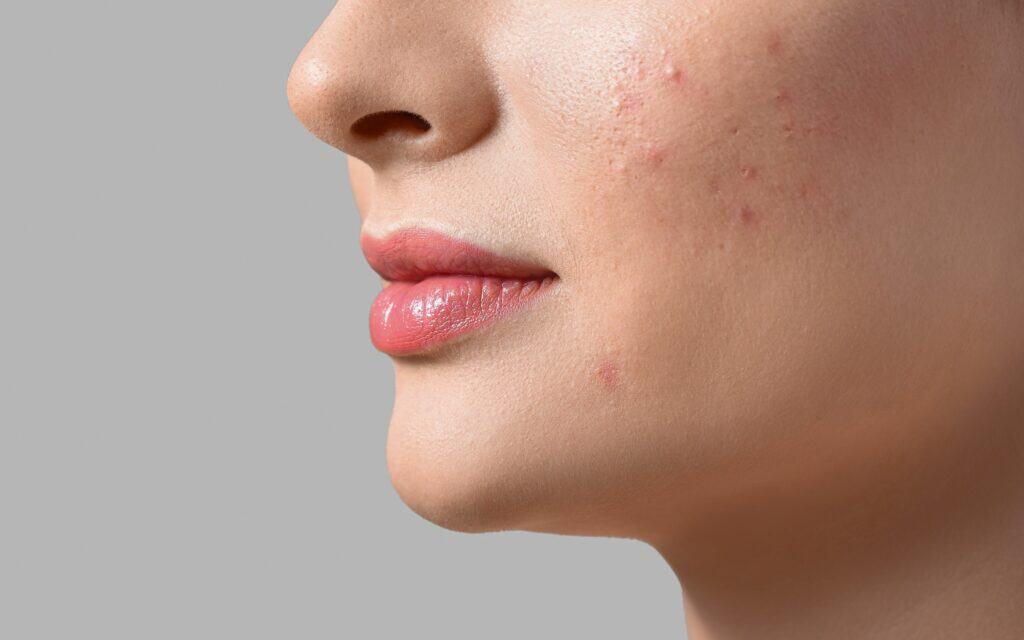
- Fungal: Tiny, monomorphic (look-alike) bumps and pustules: often itchy: flares in sweaty, occluded areas (forehead, hairline, chest, back, buttocks).
- Bacterial acne: Mixed lesions, whiteheads, blackheads, deeper nodules: less itch: responds to benzoyl peroxide/retinoids.
- Clue: If your “acne” worsens with antibiotics or heavy moisturizers, fungal acne becomes more likely.
Common Signs And Triggers
- Clusters of 1–3 mm bumps that don’t vary in shape much
- Itch or stinging after sweating
- Flares after hot yoga, helmets, or tight athleisure
- Recent antibiotics, high humidity, heavy oils/butters, occlusive sunscreens
- Dandruff or seborrheic dermatitis on the scalp/face can coexist
At-Home Clues And When To Seek Diagnosis
You can’t fully confirm fungal acne at home, but you can note patterns. If a short trial of antifungal shampoo used as a face/body wash calms bumps, that’s a hint. Still, a dermatologist can examine lesions and, when needed, do a KOH prep to visualize yeast. If lesions are widespread, painful, recurrent, or you’re immunocompromised, skip DIY and head straight to a pro. For more background reading, explore our Dermatology and Skin Health sections: [dermatology] and [skin health].
Evidence-Based Treatments That Work In 2026
To get rid of fungal acne in 2026, lean on antifungal agents, not typical acne-only regimens. Most cases improve with topical treatments: stubborn or extensive flares may need a short oral course.
First-Line Topicals (Ketoconazole, Ciclopirox, Selenium Sulfide)
- Ketoconazole 2% cream or shampoo: Apply cream once daily to affected areas for 2–4 weeks. If using shampoo, lather on skin and leave 3–5 minutes before rinsing, 3–4 times weekly.
- Ciclopirox 1% cream or shampoo: Similar use to ketoconazole: helpful if you’re not responding to keto.
- Selenium sulfide 1–2.5% lotion or shampoo: A practical, cost-effective body and scalp option: use as a 5–10 minute mask on affected skin a few times weekly.
Tip: Rotate two antifungal actives (e.g., ketoconazole + selenium sulfide) if you’re a frequent sweater.
When Oral Antifungals Are Appropriate
If topicals aren’t enough, or lesions cover large areas, dermatologists may prescribe a short course of oral itraconazole or fluconazole. These require medical supervision and a medication/interaction review. They usually work quickly but aren’t first-line for mild cases.
What To Avoid (Heavy Oils, Topical Steroids, Unnecessary Antibiotics)
- Heavy oils and fatty acids Malassezia loves (e.g., coconut oil, olive oil, some esters) can fuel flares.
- Topical steroids suppress local immunity and can worsen yeast overgrowth, reserve for specific derm guidance.
- Unnecessary oral antibiotics disrupt your skin microbiome, potentially aggravating fungal acne. If you’re unsure which category your product falls into, see our ingredient library: [skincare ingredients A to Z].
Build A Fungal-Acne-Safe Routine
A consistent routine keeps Malassezia in check and helps you maintain results. Think: cleanse smart, treat with antifungals, hydrate lightly, protect from UV.
Daily Face Routine
- Morning: Gentle gel cleanser → antifungal (if prescribed) or azelaic acid → lightweight, fungal-safe moisturizer → broad-spectrum SPF 30–50.
- Night: Cleanser (or micellar pre-cleanse after sunscreen/sweat) → antifungal cream or sulfur spot mask 2–3x/week → light humectant-based moisturizer.
- Frequency: Use medicated shampoos as a short-contact therapy on the face a few times weekly during flares, then taper to maintenance 1–2x/week.
Body And Scalp Care
- Shower promptly after sweating. Use selenium sulfide or ketoconazole shampoo on chest/back for 3–5 minutes, then rinse.
- For scalp (often a reservoir): Treat dandruff with ketoconazole or ciclopirox shampoo 2–3x/week to reduce reinoculation.
- On the body, avoid thick occlusives: pick quick-dry lotions.
Sweat, Gym, And Post-Workout Habits
- Wear moisture-wicking, breathable fabrics.
- Bring a clean towel: swap damp tops ASAP.
- Post-workout rinse or body wipe within 30 minutes, then apply your antifungal wash in the shower later. These small shifts are core to how to get rid of fungal acne in 2026 and keep it from bouncing back.
Choose Products And Ingredients Wisely
Product choice matters because Malassezia thrives on certain lipids. Keep formulas light, simple, and non-occlusive.
Fungal-Safe Hydrators And Sunscreens
- Look for glycerin, hyaluronic acid, urea, panthenol, squalane (often tolerated), and ceramides in non-greasy bases.
- Avoid leave-on products rich in esters, polysorbates, and heavy plant oils if you’re prone to flares.
- Sunscreens: Prefer gel/fluids, silica-based, or lightweight mineral options. Reapply without piling on thick occlusion.
Actives That Help Or Hurt (Azelaic Acid, Sulfur, AHAs/BHAs)
- Helpful: Azelaic acid (anti-yeast, anti-redness), sulfur (2–10% masks or spot use), and zinc pyrithione cleansers for maintenance.
- Situational: AHAs/BHAs can smooth texture but may irritate if overused. Start slowly and stop during active itchy flares.
- Usually unhelpful for fungal acne alone: Antibiotic-only topicals: heavy occlusive healing balms on large areas. For treatment comparisons and pro procedures, see [cosmetic treatments].
Lifestyle And Prevention
Your habits can either feed or starve Malassezia. Tighten up the basics to reduce relapses.
Clothing, Laundry, And Humidity Management
- Choose breathable, sweat-wicking fabrics: avoid marathon wear of leggings/compression gear.
- Wash gym clothes hot when possible: add a vinegar rinse if odors linger (a sign of microbial residue).
- Use antiperspirant on friction-prone areas and manage indoor humidity with fans/AC or a dehumidifier.
Diet And Microbiome Considerations
There’s no single “fungal acne diet,” but high-heat, high-humidity lifestyles and frequent sugar spikes can correlate with sweatier skin and occlusive routines. Prioritize balanced meals, hydration, and post-workout cleansing. If you’re on long antibiotic courses, discuss probiotics with your clinician.
Managing Coexisting Skin Conditions
Seborrheic dermatitis and dandruff often travel with fungal acne. Treat the scalp/face in tandem using antifungal shampoos and gentle, barrier-supportive skincare. If you also have classic acne, you can layer antifungals with azelaic acid and, later, non-occlusive retinoids once itch and uniform bumps calm down. For broader care strategies, browse our [body care] hub.
When To See A Dermatologist
Book an appointment if you’re unsure about the diagnosis, over-the-counter antifungals haven’t improved things in 2–4 weeks, lesions are widespread or painful, you’re immunocompromised, or you’re considering oral antifungals. A dermatologist can confirm fungal acne, rule out look-alikes (folliculitis from bacteria, keratosis pilaris, acneiform eruptions from steroids), and tailor a short, effective plan. Start with our [dermatology] resources if you want a primer before your visit.
Conclusion
Getting rid of fungal acne in 2026 is straightforward when you treat the right culprit: yeast in the follicles. Use proven antifungals, keep routines light and breathable, and manage sweat and occlusion. Build a maintenance rhythm, especially for the scalp and high-sweat areas, so clear skin sticks. If progress stalls, bring in a dermatologist early: a brief, targeted plan now beats months of trial and error. For ongoing guidance across skincare basics and ingredient know‑how, visit [skin health] and [skincare ingredients A to Z].
Frequently Asked Questions
What is fungal acne (Malassezia folliculitis) and how is it different from bacterial acne?
Fungal acne is an overgrowth of Malassezia yeast in hair follicles, causing small, uniform, itchy bumps that often flare with sweat and occlusion on the forehead, chest, and back. Unlike bacterial acne’s mixed lesions, it worsens with antibiotics and heavy oils and responds best to antifungal treatments, not typical acne-only routines.
What’s the fastest, evidence-based way to get rid of fungal acne in 2026?
Prioritize antifungals. Use ketoconazole 2% or ciclopirox 1% cream daily for 2–4 weeks, and short-contact washes with ketoconazole or selenium sulfide 1–2.5% a few times weekly. Treat the scalp, rinse soon after sweating, and wear breathable fabrics. For widespread or stubborn cases, see a dermatologist about short oral itraconazole or fluconazole.
How long do antifungal shampoos or creams take to clear fungal acne?
Many people notice relief in 1–2 weeks, with clearer skin by 2–4 weeks using ketoconazole, ciclopirox, or selenium sulfide. Maintain results with once-weekly antifungal washes and sweat-smart habits. If there’s little improvement after 2–4 weeks, or lesions are extensive or painful, consult a dermatologist for diagnosis and potential oral therapy.
Which ingredients should I avoid—and which are safe—if I have fungal acne?
Avoid heavy plant oils (coconut, olive), rich esters, polysorbates, thick occlusives, unnecessary antibiotics, and topical steroids unless prescribed. Safer picks include glycerin, hyaluronic acid, urea, panthenol, non-greasy ceramides, squalane, and lightweight gel or mineral sunscreens. Keep formulas simple and breathable to reduce Malassezia’s access to lipids.
Is fungal acne contagious or caused by poor hygiene?
It’s not considered contagious in everyday contact. Malassezia is a normal skin yeast that overgrows with heat, sweat, occlusion, or disrupted microbiomes (e.g., after antibiotics). Hygiene helps manage sweat and oils, but this isn’t a “dirty skin” issue. Avoid sharing sweaty gear and manage moisture to reduce flare triggers.
Can I use retinoids, AHAs/BHAs, or benzoyl peroxide while treating fungal acne in 2026?
Focus first on antifungals to get rid of fungal acne in 2026. Retinoids can be added later for texture once itch and bumps calm. AHAs/BHAs are situational—start low and pause during flares. Benzoyl peroxide targets bacteria, so it’s often of limited benefit for fungal acne unless you also have classic acne.