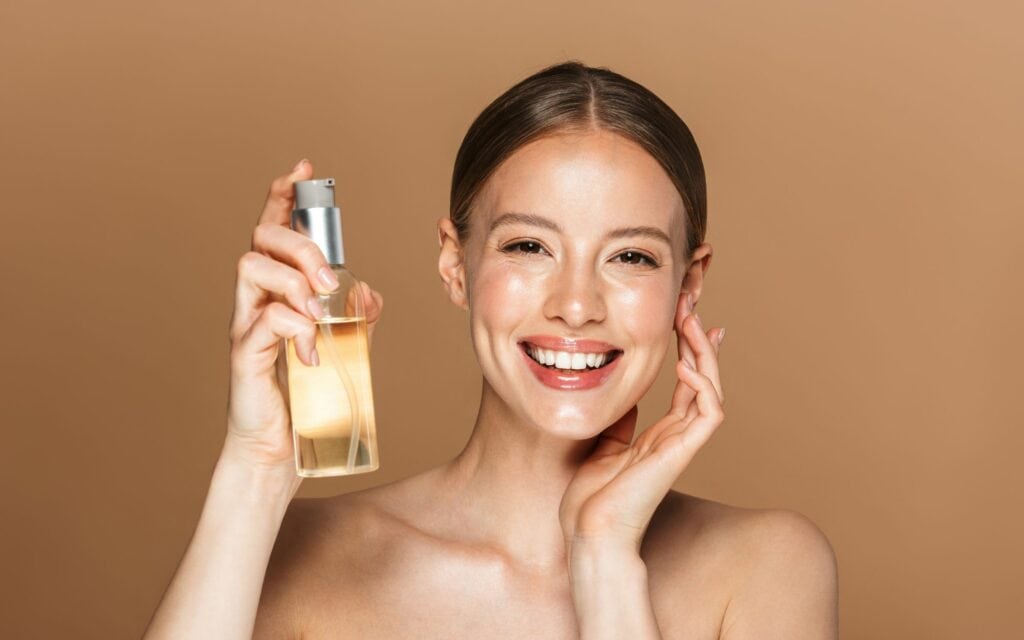

Welcome to The Derm Spot, your trusted source for dermatology and skin care advice. If you’re searching for how to hydrate skin in 2025, you’re probably wrestling with more than just a dry patch or two, between indoor climate control, more frequent travel, and trend-heavy routines, your skin’s moisture balance can swing fast. This guide breaks down what’s new (and what actually works) so you can build a smart, modern hydration strategy that keeps your complexion comfortable, resilient, and glow-y without trial-and-error.
Why Skin Gets Dehydrated In 2025
Barrier And Microbiome Basics
Hydration begins with your barrier, the stratum corneum’s brick-and-mortar structure of skin cells (bricks) and lipids (mortar). When that structure is intact, it prevents excess transepidermal water loss (TEWL) and keeps irritants out. Your skin microbiome (the community of microorganisms living on your skin) also helps regulate pH, inflammation, and barrier function.
In 2025, the main disruptors haven’t changed, but your exposure has: hotter summers and drier indoor air, more actives in routines, and aggressive cleansing. Repeated barrier insults, think daily hot showers plus over-exfoliation, thin the “mortar” and scatter your microbiome. The result: tightness, dullness, and makeup that “skips” over flaky areas.
Environmental And Lifestyle Factors
- Climate control: HVAC and constant air purifiers can lower indoor humidity, accelerating water loss.
- Screens and travel: Long-haul flights and office airflow dehydrate skin: blue-light itself isn’t the hydration villain, stale, low-humidity air is.
- Trendy overuse of actives: Layering strong retinoids, acids, and benzoyl peroxide without buffer steps strains the barrier.
- Cleansing behaviors: Hot water, foamy high-pH cleansers, and frequent face-washing strip lipids.
- Health and habits: Low fluid intake, low electrolytes, alcohol, and high-stress sleep schedules can all tilt your skin drier.
Core Hydration Strategy: Humectant + Emollient + Occlusive
Hydrated skin is not about one magic serum. It’s about stacking three roles, humectant, emollient, and occlusive, so water is attracted, distributed, and sealed in without congestion.
Humectants That Work Now
- Glycerin: Gold-standard, effective across climates, and plays well with almost everything.
- Hyaluronic acid (mixed molecular weights): Lower weights hydrate deeper layers: higher weights hydrate at the surface. Look for blends, not just “ultra-low”, to avoid rebound tightness.
- Polyglutamic acid: A film-forming humectant that helps reduce TEWL and layers well over HA.
- Beta-glucan: Calms and hydrates: great for sensitive or post-procedure skin.
- Urea (2–5%): A humectant and gentle softener: helps with micro-flakes.
- Ectoin and trehalose: Osmolytes that help cells hold water under stress (heat, pollution).
Tip: Always apply humectants on slightly damp skin (post-cleanse or after a mist) and follow with lipids to lock them in.
Emollients And Barrier Lipids
Emollients smooth the “gaps” between skin cells and reinforce the barrier. Look for:
- Ceramides (e.g., NP, AP, EOP), cholesterol, and fatty acids: Ideally in a 3:1:1-ish balance to mimic skin’s natural lipids.
- Squalane (not squalene): Lightweight, non-comedogenic, excellent slip.
- Plant oils rich in linoleic acid: Evening primrose, rosehip, and safflower for barrier support.
- Phytosphingosine: A ceramide precursor that helps calm and fortify.
If you use strong actives, consider a buffer layer of a ceramide-rich emulsion before or after to reduce irritation.
Smart Occlusion Without Breakouts
Occlusives trap water so it doesn’t evaporate.
- Petrolatum: Most effective for sealing (even a rice-grain amount does a lot). Use targeted, on cheeks or around the mouth, if you’re acne-prone.
- Dimethicone: Lighter, breathable occlusion that’s makeup-friendly.
- Lanolin alternatives: For those sensitive to lanolin, look for hydrogenated polyisobutene or shea butter blends.
Smart occlusion in 2025 means “micro-slugging”: spot-seal dry zones rather than coating your whole face, and layer from thinnest to thickest: humectant serum → emollient cream → dab of occlusive where needed.
Build Your 2025 Hydrating Routine (AM/PM)
Morning Routine
- Gentle cleanse or rinse: If your skin isn’t oily, a lukewarm water rinse or a creamy non-foaming cleanser preserves overnight lipids.
- Hydrating essence/serum: Choose blends with glycerin + HA + ectoin or beta-glucan. Apply to damp skin.
- Emollient moisturizer: Ceramide/cholesterol/fatty acid cream or a lightweight squalane gel-cream if you’re oilier.
- Targeted occlusion: A tiny petrolatum or dimethicone dab on dry-prone spots.
- Broad-spectrum sunscreen SPF 30–50: Favor hydrating filters and textures (look for added humectants and emollients). Sunscreen is a stealth moisturizer when you pick the right formula.
Optional add-ons: Vitamin C or other antioxidants before moisturizer if tolerated: if you’re sensitive, buffer with a hydrating serum first.
Night Routine
- Cleanse: Remove sunscreen/makeup with a pH-balanced cleanser. If you double-cleanse, keep the second step gentle and non-stripping.
- Treatment sandwich (on active nights): Hydrating serum → retinoid or exfoliating acid (if using) → barrier cream. On off-nights, skip actives and focus on moisture stacking.
- Moisturize generously: Use a ceramide-rich cream. For very dry areas, micro-slug with petrolatum last.
- Neck and eye area: Thin skin benefits from humectant + emollient layers and light occlusion.
Weekly Boosters And Devices
- Sheet or hydrogel masks: 1–2× weekly with glycerin, HA, and panthenol, great before events. Seal with a light cream after removing.
- Overnight hydrating masks: Think of them as a cushy occlusive step rather than a separate treatment.
- Low-level red LED: While LED is best known for supporting collagen and calming redness, steadier skin often holds moisture better. Use 3–5× weekly if you have a quality panel.
- Humidifier: The unsung hero. Keep indoor RH around 40–50% to meaningfully reduce TEWL.
If you’re curious about ingredients behind these choices, explore our guides in Skincare Ingredients A to Z for deeper dives.
Choose Ingredients By Skin Type And Climate
Oily/Acne-Prone
- Texture: Lightweight gel-creams: silicone- or squalane-based instead of heavy plant butters.
- Humectants: Glycerin, low–mid weight HA, beta-glucan.
- Emollients: Squalane, phytosphingosine: avoid overly occlusive formulas on the T-zone.
- Occlusion: Dimethicone spot-sealing > petrolatum on large areas. Micro-slug dry patches only.
- Extras: Niacinamide (2–5%) improves barrier and reduces excess oil look.
Dry/Sensitive Or Barrier-Impaired
- Texture: Creams with ceramides, cholesterol, and fatty acids in barrier-mimicking ratios.
- Humectants: Glycerin + urea (2–5%) + panthenol: avoid stingy toners.
- Occlusion: Petrolatum or shea-based balms at night, especially around nose, lips, and cheeks.
- Keep actives minimal while you repair. Introduce retinoids slowly and buffer.
Mature Skin
- Priorities: More lipids + steady collagen support.
- Ingredients: Ceramides, cholesterol, squalane, peptides, and mixed-weight HA: consider retinal (gentle form of vitamin A) sandwiched between hydrating layers.
- Finish: A light occlusive at night reduces crepe-y morning texture.
Humid Vs. Arid, Cold Vs. Hot
- Humid heat: Humectants can pull enough moisture from the air, use gel-cream moisturizers and minimal occlusion.
- Arid climates or winter: Double down on lipids and strategic occlusion: add a humidifier at home and desk.
- Cold, windy weather: Choose richer creams with cholesterol/ceramides and cover with a wind-protective balm on exposed areas.
- Hot, dry weather: Prioritize glycerin-based hydration and dimethicone sealants that don’t feel heavy.
Lifestyle And Habits That Actually Hydrate
Fluids, Electrolytes, And Nutrition
- Fluids: Aim for steady intake throughout the day: you don’t have to “chug”, just don’t let long gaps go by.
- Electrolytes: If you sweat heavily (workouts, hot climates), a light electrolyte mix helps keep water in balance.
- Nutrition: Omega-3s (fatty fish, algae oil) support skin’s lipid matrix: colorful produce adds polyphenols that calm inflammation: consider ceramide-rich wheat extract oils if tolerated.
- Alcohol and high-sugar spikes can transiently dehydrate: buffer with water and a salty snack if you indulge.
Home And Office Environment
- Humidity: Keep indoor humidity around 40–50% with a clean humidifier. Change filters and use distilled water to prevent mineral dust.
- Shower habits: Warm, not hot, showers under 8–10 minutes. Apply body moisturizer within 3 minutes of toweling off.
- Cleansers: Switch to low-foam, low-pH formulas: hands or a soft cloth beat harsh tools.
Travel And Recovery
- In-flight: Apply a glycerin-heavy serum, then a dimethicone-rich cream: reapply a thin layer every few hours. Skip pure HA-only mists without follow-up cream.
- Post-travel: Use a hydrating mask and a ceramide cream for 2–3 nights: keep actives minimal until your skin feels bouncy again.
For more routine-level guidance, browse our Skin Health hub or explore Dermatology insights when you’re troubleshooting persistent dryness.
What To Avoid And Common Mistakes
Over-Exfoliation And Hot Water
- Signs you’ve overdone it: Tight, shiny skin that stings with water, sudden flaking, or “everything burns.”
- Fix: Pause acids/retinoids for a few days, load up on glycerin/ceramides, and micro-slug.
- Temperature: Hot water dissolves lipids: keep face-washing lukewarm.
Fragrance And Irritants
- Skip strong fragrance and essential oils if you’re sensitive. Even “natural” isn’t automatically gentle.
- Watch denatured alcohol high on the ingredient list in leave-ons: occasional use is fine, but daily exposure can be drying for some.
Product Layering Pitfalls
- Humectants with no seal: HA-only serums without a cream can backfire in dry air.
- Too many steps: More products mean more chance of irritation. Keep to 3–5 solid steps.
- Actives every night: Rotate. Your barrier needs off-days.
- Sunscreen mismatch: A matte, drying SPF can undermine your work. Pick hydrating, cosmetically elegant formulas you’ll actually reapply.
If your dryness persists even though a simplified, hydrating routine, consult a professional, conditions like eczema, seborrheic dermatitis, or contact dermatitis can masquerade as “stubborn dehydration.” Our Dermatology and Cosmetic Treatments sections cover when procedures or prescriptions make sense.
Conclusion
When you zoom out, how to hydrate skin in 2025 comes down to a calm, intact barrier and smart, layered moisture. Anchor your routine with proven humectants, replenish with barrier lipids, and seal strategically, then let your environment and skin type guide texture choices. Keep your space humidified, your showers warm (not hot), and your actives paced. Do that, and you’ll spend less time troubleshooting and more time enjoying skin that feels comfortable, looks more luminous, and stays resilient through seasons and travel.
Want ingredient-by-ingredient clarity? Start with our Skincare Ingredients A to Z, and for broader wellness context, dip into Skin Health. Your most hydrated year starts now.
Frequently Asked Questions
What’s the best way to hydrate skin in 2025?
To hydrate skin in 2025, layer humectant + emollient + occlusive. Apply humectants like glycerin, mixed-weight hyaluronic acid, or ectoin on damp skin, follow with barrier lipids (ceramides/cholesterol/fatty acids or squalane), then “micro-slug” with petrolatum or dimethicone only on dry zones. Keep indoor humidity around 40–50%.
How to hydrate skin in 2025 if I’m oily or acne‑prone?
Choose lightweight gel‑creams with glycerin, low–mid weight HA, beta‑glucan, and squalane. Favor dimethicone for spot occlusion and avoid heavy butters on the T‑zone. Add 2–5% niacinamide for barrier support and oil control. Cleanse gently, apply humectants to damp skin, and seal minimally to prevent congestion.
What common mistakes dehydrate skin—and how do I avoid them?
Over‑exfoliation, hot water, foamy high‑pH cleansers, and HA‑only serums without a sealing cream increase TEWL. Keep showers warm and brief, rotate actives with off‑nights, use a ceramide‑rich moisturizer after humectants, and pick a hydrating sunscreen you’ll reapply. Limit strong fragrance and daily high alcohol exposure in leave‑ons.
Is drinking more water enough to hydrate skin?
Hydration starts internally, but drinking extra water alone won’t fix a compromised barrier. Skin needs topical support to reduce transepidermal water loss—humectants plus barrier lipids and smart occlusion. Maintain steady fluid intake, add electrolytes when sweating, and support nutrition with omega‑3s and produce for better moisture retention.
How long does it take to repair a dehydrated or damaged skin barrier?
Mild barrier disruption often improves within 3–7 days of pausing actives and focusing on glycerin, ceramides, cholesterol, and fatty acids. More significant impairment can take 2–6 weeks. Keep routines simple (3–5 steps), use lukewarm water, maintain 40–50% indoor humidity, and reintroduce retinoids or acids slowly.