
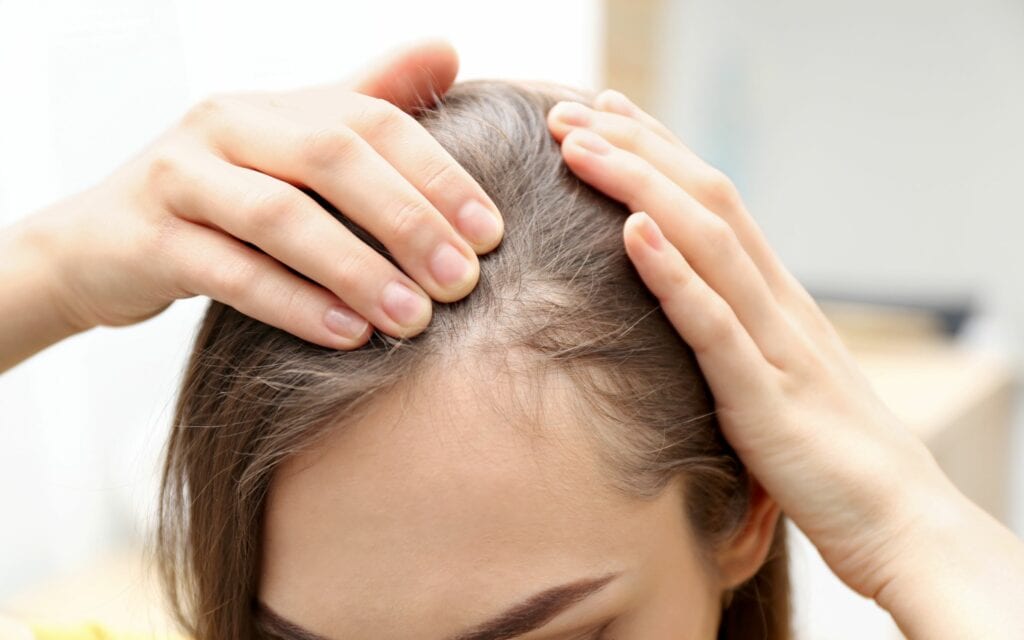
Welcome to The Derm Spot, your trusted source for dermatology and skin care advice. If you’ve been wondering how to prevent hair loss in 2026, amid new treatments, buzzy supplements, and endless TikTok hacks, you’re in the right place. Hair shedding can feel sudden and personal: a clogged shower drain, a widening part, or a ponytail that looks thinner than last year. This guide cuts through the noise so you can protect your hair with science-backed habits, targeted nutrition, and the most effective medical options available now. Your goal: fewer strands in the sink, stronger growth in the mirror, and a plan you can actually stick to.
Understand Why Hair Loss Happens
Common Types You May Encounter
You prevent hair loss best when you know what you’re tackling:
- Androgenetic alopecia (pattern hair loss): Gradual thinning at the crown or a widening part: driven by genetics and hormones. Common in men and women.
- Telogen effluvium: Diffuse shedding triggered by stressors (illness, surgery, high fever, crash dieting, postpartum). Usually shows up 6–12 weeks after the trigger.
- Traction alopecia: Breakage and loss from tight styles, extensions, or heavy accessories pulling on the follicles.
- Alopecia areata: Patchy, immune-driven hair loss: needs professional evaluation.
Early Warning Signs To Catch Sooner
- More hair on your pillow, brush, or shower drain for several weeks.
- A widening part, see-through ponytail, or miniaturized hairs around the front and crown.
- Increased scalp sunburn or visibility.
Catching these early lets you start proven treatments while follicles are most responsive.
When To See A Dermatology Professional
Book an appointment if shedding lasts >3 months, you see bald patches, your scalp burns/itches, you have eyebrow or body hair loss, or you’re unsure of the cause. A dermatologist can examine your scalp, check ferritin, vitamin D, thyroid labs, and review medications. If you want a deeper dive first, browse our guides in Dermatology and Hair Health for context, then get tailored care.
Daily Habits That Protect Your Hair
Gentle Washing, Detangling, And Scalp Care
- Wash 2–5x weekly based on scalp oil and activity: don’t fear shampoo, clean scalps support growth.
- Use a pH-balanced shampoo: consider salicylic acid or ketoconazole once weekly if you’re oily or flaky.
- Detangle from ends upward with a wide-tooth comb: work in sections with slip (conditioner or leave-in).
- Massage lightly 3–5 minutes a few times weekly to boost microcirculation without scratching.
Heat, Color, And Chemical Safety
- Keep heat tools at ≤300–325°F (150–165°C) for fine hair and ≤350°F (177°C) for thick/coarse: always use heat protectant.
- Limit bleaching and permanent color spacing to 8–12 weeks: consider semi-permanent glosses between.
- Relaxers, perms, and keratin treatments can weaken fibers: stretch intervals and use bond-building masks.
Hairstyles And Accessories That Cause Traction
- Rotate styles: skip daily tight slicked ponytails, high buns, or tight braids.
- Choose snag-free elastics, silk/satin scrunchies, and lightweight clips.
- If you wear extensions or protective styles, keep them light, avoid constant tension at the hairline, and give your scalp rest weeks.
Sleep, Stress, And Lifestyle Factors
- Sleep on a silk or satin pillowcase to reduce friction.
- Manage stress (a top trigger for telogen effluvium) with short, daily practices: brisk walks, breath work, or journaling.
- Exercise regularly: it supports circulation and hormone balance.
- Avoid smoking and vaping: both impair microvascular blood flow to follicles.
- Sun protect your scalp with hats or powder SPF, especially at a widening part. Explore more daily strategies in Skin Health and Body Care if you’re building a broader routine.
Nutrition And Supplements That Help
Protein, Iron, Vitamin D, And Zinc Basics
- Protein: Aim for ~0.8–1.0 g/kg/day minimum (up to 1.2–1.6 g/kg if you’re active) to supply keratin building blocks.
- Iron: Low ferritin (often <40–70 ng/mL) correlates with shedding in many: confirm with labs before supplementing.
- Vitamin D: Suboptimal levels are common: replenishment supports follicle cycling.
- Zinc: Deficiency is less common but can cause shedding. Balance matters, don’t megadose.
Evidence-Backed Supplements And Doses
- Marine collagen or collagen peptides (5–10 g/day): May support hair shaft quality: modest evidence.
- Nutrafol-like blends with saw palmetto, marine collagen, biotin, and antioxidants: Mixed but growing data: look for standardized ingredients.
- Pumpkin seed oil (≈400 mg/day): Small studies suggest benefit for androgenetic alopecia.
- Iron: Only if ferritin is low: typical ferrous bisglycinate 25–36 mg elemental iron daily with vitamin C.
- Vitamin D3: Often 1000–2000 IU/day: adjust to reach sufficiency per your clinician.
- Biotin: Only if you’re deficient: otherwise skip due to lab test interference.
What To Skip Or Use With Caution
- High-dose biotin (5–10 mg) without deficiency, can skew thyroid and cardiac labs.
- “Proprietary” blends without transparency or third-party testing.
- Excess zinc (>40 mg/day) can induce copper deficiency. When in doubt, consult a professional in Dermatology for lab-guided dosing.
Proven Medical Treatments In 2026
Minoxidil: Topical Versus Low-Dose Oral
- Topical minoxidil 5% foam/solution: Apply once daily for women, once or twice daily for men: expect 3–6 months to see less shedding and early regrowth.
- Low-dose oral minoxidil (LDOM): 0.625–2.5 mg daily is common in 2026 under medical supervision. It’s convenient and helpful if topicals irritate. Possible side effects: fine facial hair, ankle swelling, low blood pressure, fast heartbeat. Start low: monitor.
Finasteride, Dutasteride, And Spironolactone
- Finasteride: 1 mg daily (men) reduces DHT and slows pattern loss. Not used in women who are or may become pregnant.
- Dutasteride: More potent DHT blocker (0.5 mg weekly to daily) for men who don’t respond to finasteride. Off-label in some women post-menopause with careful counseling.
- Spironolactone: Androgen receptor blocker (typically 50–200 mg/day) for women with pattern loss or PCOS features. Monitor potassium and blood pressure: avoid in pregnancy.
Low-Level Laser Therapy And Microneedling
- LLLT devices (caps/combs, 650–680 nm) 3–4x weekly have solid evidence for androgenetic alopecia when used consistently for 6–12 months.
- Microneedling (0.6–1.5 mm on scalp every 1–2 weeks) can enhance growth and improve topical absorption. In-office yields more consistent outcomes: at-home rollers need strict hygiene.
PRP And Other Regenerative Options
- Platelet-rich plasma (PRP): 3–4 monthly sessions, then maintenance every 4–6 months. Good evidence for pattern loss and postpartum telogen effluvium.
- PRF (platelet-rich fibrin) and exosome-conditioned media: Emerging: some clinics report gains, but protocols and regulation vary, discuss realistic expectations and safety.
Combining Therapies And Monitoring Side Effects
You’ll prevent hair loss most effectively by stacking therapies that target different pathways. Examples:
- LDOM + finasteride/dutasteride (men).
- Topical minoxidil + spironolactone (women) ± LLLT.
- PRP series + minoxidil + microneedling.
Track blood pressure with LDOM, labs with antiandrogens (potassium for spironolactone), and sexual or mood changes with DHT blockers. Photograph monthly and reassess every 3–4 months. For personalized combinations and safety planning, explore Cosmetic Treatments and schedule with a board-certified dermatologist.
Tech And Tools To Track Progress
Scalp Imaging Apps And Photo Protocols
Use the same lighting, background, and angles monthly, front, vertex, both temples, and part line. Some apps overlay grids and brightness settings so your comparisons are honest.
Smart Brushes, Combs, And Laser Devices
Smart brushes can estimate shedding and breakage trends: laser caps log usage so you stay consistent. Consistency beats intensity, set reminders.
How To Run A 6–12 Month Treatment Trial
- Months 0–1: Baseline labs/photos: start one core therapy (e.g., minoxidil or LDOM). Add only one thing every 8–12 weeks.
- Months 2–4: Expect less shedding first: then early thickening.
- Months 5–6: Compare photos: if stable or better, maintain. If not, add a second therapy.
- Months 9–12: Lock in what works: set maintenance. If declining, revisit diagnosis with a specialist.
Special Considerations
Postpartum And Hormonal-Related Shedding
Postpartum telogen effluvium peaks around 3–4 months after delivery and improves by 9–12 months. Gentle care, sufficient protein, vitamin D, and iron (if low) help. Many treatments aren’t pregnancy- or breastfeeding-safe: confirm with your clinician.
Thyroid, PCOS, And Nutrient Deficiencies
Hypo- or hyperthyroidism, PCOS, and low ferritin or vitamin D can all drive shedding. If you notice acne, irregular cycles, weight changes, or cold intolerance, get evaluated. Correcting the root issue is often the biggest lever.
Medications And Medical Events That Trigger Loss
Common culprits include isotretinoin, some antidepressants, beta-blockers, anti-androgens, high-dose vitamin A, and major illnesses or surgeries. If shedding started after a new med, don’t stop abruptly, ask your prescriber about alternatives.
Protective Strategies For Curly, Coily, And Natural Hair
- Prioritize hydration: pre-poo oils, rich conditioners, and weekly masks.
- Low-manipulation styles: avoid tight braids at the hairline.
- Stretch relaxer/straightening intervals: consider heat-free stretches.
- Use satin bonnets/scarves: detangle in sections with slip to prevent breakage. For more tailored routines, see Hair Health.
Conclusion
To prevent hair loss in 2026, build a layered plan: smart daily care, nutrition that supports growth, and proven medical therapies you can stick with for 6–12 months. Track progress with consistent photos, adjust thoughtfully, and loop in a board-certified dermatologist when red flags pop up, or when you’re ready to level up results. Your hair thrives on consistency. Start today, keep it simple, and let the data (and the mirror) guide you.
Frequently Asked Questions
What are the early signs of thinning, and how to prevent hair loss in 2026 before it progresses?
Watch for persistent shedding, a widening part, miniaturized hairs, or more scalp sunburn. Act early: optimize gentle washing, reduce heat and traction, address stress, and start proven therapies (topical or low‑dose oral minoxidil). See a dermatologist if shedding lasts over three months or you notice patches or scalp symptoms.
What daily habits best protect hair and reduce shedding?
Wash 2–5 times weekly based on oiliness; use pH-balanced shampoo and optional weekly ketoconazole if oily or flaky. Detangle from ends with slip, keep heat ≤300–350°F with protectant, rotate loose styles, use silk pillowcases, manage stress, exercise, avoid smoking, and sun-protect your part and scalp.
Which supplements actually help with hair loss prevention?
Prioritize protein (0.8–1.0 g/kg; more if active), correct low ferritin and vitamin D with guided dosing, and consider pumpkin seed oil (~400 mg/day). Marine collagen may support shaft quality. Use iron only if ferritin is low, avoid mega‑zinc, and skip high‑dose biotin unless deficient due to lab interference.
What are the most effective medical treatments to prevent hair loss in 2026?
Topical 5% minoxidil or low-dose oral minoxidil (0.625–2.5 mg/day) are first-line. For androgenetic loss, men may use finasteride or dutasteride; women may consider spironolactone. Add low-level laser therapy, microneedling, or PRP for synergy. Track photos, labs, and blood pressure; reassess every 3–4 months.
Is rosemary oil as effective as minoxidil for hair growth?
Small studies suggest rosemary oil can modestly improve density in mild androgenetic alopecia, but evidence is limited compared with minoxidil’s robust data. It may help as an adjunct for scalp health, yet minoxidil remains the gold standard. Patch test first and avoid irritating, high‑concentration essential oils.
Do DHT-blocking or ketoconazole shampoos help prevent hair loss in 2026?
Ketoconazole 1–2% shampoos can reduce scalp inflammation and may modestly support androgenetic alopecia when used 1–3 times weekly. They’re supportive—not standalone—treatments. Pair with minoxidil, oral antiandrogens where appropriate, and gentle care. Leave on the scalp 3–5 minutes before rinsing for best effect.