
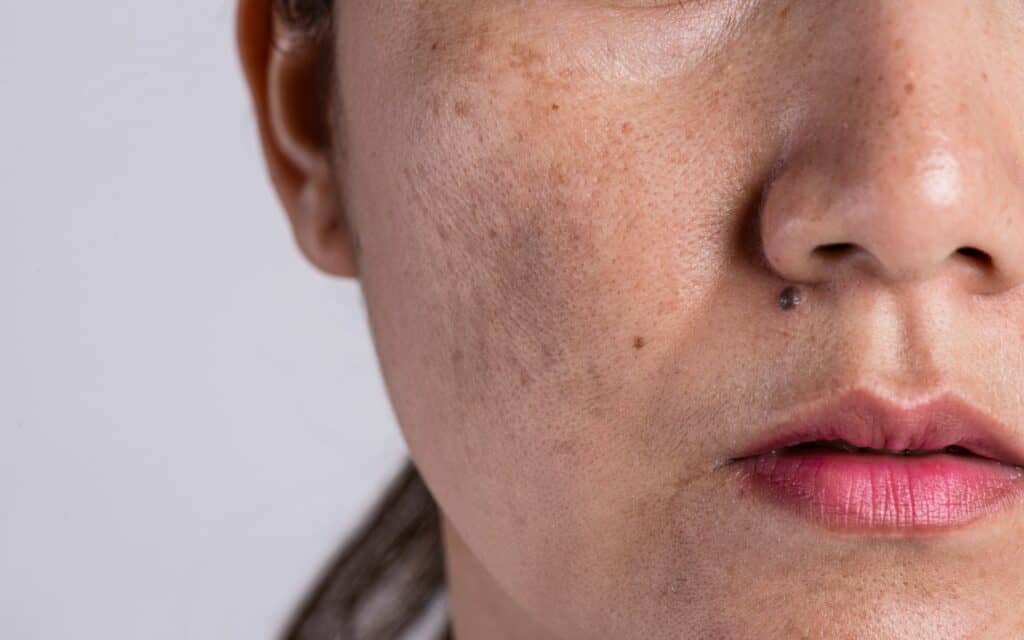
Welcome to The Derm Spot, your trusted source for dermatology and skin care advice. Have you ever stared in the mirror wondering why certain dark patches on your skin just won’t fade? Understanding the difference between melasma and hyperpigmentation can be the key to finally conquering skin discoloration in 2025.
This article dives into what sets melasma apart from other types of hyperpigmentation and why knowing these distinctions matters for your treatment plan. From causes to effective solutions, you’ll get clear insights to help you achieve a more even complexion. Let’s explore how you can take control of your skin’s appearance with confidence and expert knowledge.
Understanding Melasma and Hyperpigmentation
Understanding melasma and hyperpigmentation helps you address skin discoloration with precision. Both conditions cause dark patches but differ in origin, appearance, and management.
Definition of Melasma
Melasma is a chronic skin condition marked by symmetrical, brown to gray-brown patches. These usually appear on the cheeks, forehead, nose, and upper lip. Melasma mostly affects women, especially during hormonal changes such as pregnancy or when using birth control pills. It results from overproduction of melanin by melanocytes triggered by UV exposure and hormonal fluctuations.
Key features of melasma:
- Symmetrical brown or gray-brown patches
- Predominantly on sun-exposed areas of the face
- Often linked with hormonal changes
- Can worsen with sun exposure
What Is Hyperpigmentation?
Hyperpigmentation refers to any darkening of the skin caused by excess melanin production. It is a broad term that includes melasma but also covers other conditions like post-inflammatory hyperpigmentation (PIH), sun spots (solar lentigines), and freckles. Unlike melasma, hyperpigmentation can affect any skin area and varies in size and shape depending on the cause.
Types of hyperpigmentation:
- Post-inflammatory hyperpigmentation (PIH): Spots left after acne, eczema, or injury
- Solar lentigines: Sun-induced spots, common on hands and face
- Freckles: Small, flat brown marks often hereditary and sun-induced
Common Causes and Triggers
Both melasma and hyperpigmentation stem from excessive melanin, but their triggers differ.
Melasma causes:
- Hormonal changes (pregnancy, contraceptives, hormone therapy)
- Prolonged UV exposure
- Genetic predisposition
- Certain skin care products causing photosensitivity
Hyperpigmentation causes:
- Skin inflammation or injury (acne, burns, insect bites)
- Sun exposure without protection
- Aging (leading to age spots)
- Certain medications causing photosensitivity or allergic reactions
Prevention Methods
Preventing skin discoloration focusses on reducing triggers and protecting your skin daily.
- Use broad-spectrum sunscreen with SPF 30+ every day
- Wear protective clothing and hats when outdoors
- Avoid peak sun hours (10 a.m. to 4 p.m.)
- Avoid harsh skincare ingredients like strong acids or retinoids when pregnant or on hormone therapy
- Treat acne and skin injuries promptly to avoid PIH
Treatment Options
Effective treatment varies based on whether you have melasma or another form of hyperpigmentation.
| Treatment Type | Melasma | Hyperpigmentation |
|---|---|---|
| Topical Agents | Hydroquinone, tretinoin, azelaic acid | Hydroquinone, vitamin C, niacinamide |
| Chemical Peels | Glycolic acid, salicylic acid | Mild chemical exfoliation |
| Laser and Light Therapies | Fractional lasers, intense pulsed light (IPL) | Laser therapy for stubborn spots |
| Alternative Approaches | Natural extracts like kojic acid, licorice root | Antioxidant serums, green tea extracts |
Use products labeled for sensitive skin to reduce irritation risks. Combining treatments under a dermatologist’s supervision offers the best outcomes. Check out Dermatology for expert insights on treatment advancements.
Daily Care Tips
Daily care sustains improvements and prevents new discoloration.
- Cleanse with gentle, hydrating products
- Apply antioxidants such as vitamin C serum in the morning
- Moisturize adequately to support skin barrier function
- Avoid picking at acne or lesions
- Use skincare ingredients like niacinamide and azelaic acid regularly—explore more at Skincare Ingredients A to Z
When to Seek Professional Advice
Consult a dermatologist if:
- Dark spots worsen despite sun protection
- You experience sudden onset of patches or symptoms like itching or pain
- You want prescription-strength treatments or procedural options
- You need skin assessments to rule out other conditions
Early diagnosis and treatment improve results. Explore additional guidance on Skin Health for your personalized care.
Key Differences Between Melasma and Hyperpigmentation
Understanding the key differences between melasma and hyperpigmentation helps you target your skin discoloration with appropriate care and treatment. While both conditions involve darker patches on your skin, their causes, appearance, and management differ significantly.
Appearance and Patterns
Melasma manifests as large, symmetrical brown or gray-brown patches, primarily on your face. These patches usually appear on the cheeks, forehead, upper lip, and chin, creating consistent patterns. In contrast, hyperpigmentation can show up as irregular or uneven dark spots scattered anywhere on your skin, such as sun spots on your hands or post-inflammatory dark marks after acne.
| Feature | Melasma | Hyperpigmentation |
|---|---|---|
| Patch Size | Large | Varies, generally smaller |
| Pattern | Symmetrical | Irregular or scattered |
| Common Locations | Face (cheeks, forehead, upper lip) | Face, arms, hands, any skin area |
| Color | Brown to gray-brown | Light brown to dark brown |
Different visual patterns are crucial for recognizing the conditions accurately and choosing the right treatments.
Underlying Skin Mechanisms
Your skin produces excess melanin in both melasma and hyperpigmentation, but the triggers and mechanisms vary. Melasma results from an overactive melanin response often tied to hormonal fluctuations, especially estrogen and progesterone, as well as ultraviolet (UV) exposure. Its chronic nature relates to melanocyte activation in the epidermis and dermis.
Hyperpigmentation arises from diverse sources like skin inflammation, damage, or sun exposure. Post-inflammatory hyperpigmentation occurs when skin trauma—such as acne, wounds, or burns—stimulates melanocytes to produce increased melanin as part of the healing process. Alternatively, sunspots, also called age spots or lentigines, come from cumulative UV damage over time.
Risk Factors and Demographics
Your risk for melasma versus hyperpigmentation depends on distinct factors:
Melasma risk factors:
- Female gender, especially during pregnancy or hormone therapy
- Darker skin types (Fitzpatrick types III-V)
- Prolonged sun exposure
- Genetic predisposition
Hyperpigmentation risk factors:
- Any skin type but more visible on darker tones
- History of skin injury or inflammation (acne, eczema)
- Aging, leading to sunspots
- Use of certain medications like antibiotics or anti-seizure drugs
Identifying these factors lets you adopt prevention and treatment plans tailored to your condition.
Explore more about skin conditions and treatments on our Dermatology category and improve your Skin Health knowledge.
Causes and Triggers
Melasma causes:
- Hormonal shifts due to pregnancy (often called the “mask of pregnancy”)
- Birth control pills or hormone replacement therapy
- Sunlight exposure, which stimulates melanin production
- Genetic predisposition enhancing sensitivity to UV rays
Hyperpigmentation causes:
- Post-inflammatory hyperpigmentation from acne, cuts, or irritation
- Sun damage accumulating over time
- Skin aging contributing to sunspots and liver spots
- Certain medications or chemical irritants triggering melanin overproduction
Signs and Symptoms
- Melasma causes patchy, symmetrical discolorations with smooth, well-defined edges primarily on your face.
- Hyperpigmentation shows as darker spots or patches with unclear borders, appearing anywhere inflamed or sun-exposed.
- Neither condition produces pain or itching but impacts cosmetic appearance and skin tone uniformity.
Prevention Methods
Reduce your risk of both melasma and hyperpigmentation by adopting these strategies:
- Apply broad-spectrum sunscreen with SPF 30 or higher daily, reapplying every two hours outdoors.
- Wear protective clothing, hats, and sunglasses when exposed to sunlight.
- Avoid direct sun exposure, especially between 10 am and 4 pm.
- Treat any skin conditions promptly to prevent post-inflammatory pigmentation.
- Use gentle skincare products to minimize irritation and inflammation.
For detailed guidance, visit our Skincare Ingredients A to Z resource.
Treatment Options
For melasma:
Topical agents:
- Hydroquinone (2-4%), a skin-lightening agent
- Retinoids (tretinoin) to accelerate skin turnover
- Azelaic acid and kojic acid as alternative lighteners
- Corticosteroids combined with bleaching agents for inflammation control
Procedures:
- Chemical peels using glycolic or salicylic acid to exfoliate pigmented layers
- Laser and light-based therapies targeting melanin deposits (e.g., Q-switched lasers)
- Microneedling to promote collagen and pigment breakdown
For hyperpigmentation:
Topical treatments:
- Vitamin C serums to inhibit melanin synthesis
- Niacinamide to even skin tone and reduce pigment transfer
- Alpha hydroxy acids (AHAs) for gentle exfoliation
Professional interventions:
- Chemical peels for removing superficial pigment
- Cryotherapy to freeze and fade sunspots
- Laser treatments depending on pigmentation depth
Important: Consult a dermatologist if pigmentation intensifies or resists over-the-counter treatments—medical evaluation ensures safe and effective management. Learn about treatment innovations on our Cosmetic Treatments page.
Daily Care Tips
- Cleanse your skin gently twice daily with non-irritating products.
- Apply moisturizer suitable for your skin type to maintain barrier health.
- Use sunscreen every day regardless of weather or indoor activities.
- Avoid picking or scratching spots to reduce post-inflammatory hyperpigmentation risk.
- Incorporate antioxidants like vitamin E or green tea extract to protect your skin from oxidative stress.
When to Seek Professional Advice
Seek a dermatologist’s expertise if you notice:
- Rapidly spreading or increasing dark patches
- Discolorations accompanied by pain, itching, or texture changes
- Lack of improvement after 3-4 months of consistent home care
- Desire for advanced treatment options or prescription-strength products
Professional guidance ensures precise diagnosis, rule-out of other conditions, and tailored treatment plans.
For further support, explore related topics under Body Care and Hair Health, as hormonal and pigmentation issues may affect your hair and body skin as well.
Diagnosis and Identification
Accurate diagnosis of melasma and hyperpigmentation ensures the right treatment plan for your skin discoloration. Dermatologists rely on clinical evaluation and specific tools to distinguish these conditions effectively.
How Dermatologists Differentiate Between the Two
Dermatologists focus on key characteristics to tell melasma from hyperpigmentation:
- Pattern and Location
Melasma appears as symmetrical, large patches, mostly on the cheeks, forehead, upper lip, and chin. Hyperpigmentation shows as irregular spots or patches and can appear anywhere on the skin, often where injury or inflammation occurred.
- Color and Texture
Melasma presents with uniform browns to gray-browns. Hyperpigmentation varies from light brown to dark brown or black and may have uneven textures linked to inflammation.
- Onset and Triggers
Melasma typically arises during hormonal changes (pregnancy, birth control, menopause) and worsens with UV exposure. Hyperpigmentation follows skin trauma, acne, insect bites, or chronic sun damage, without hormonal association.
- Symmetry
Melasma is usually symmetrical, affecting both sides of the face equally. Hyperpigmentation tends to be asymmetrical and localized.
- Patient History
Your dermatologist will evaluate hormone-related events, medication use, skin injury history, and sun exposure patterns to clarify diagnosis.
Tools and Techniques Used
Dermatologists implement several tools and techniques to confirm whether your discoloration is melasma or hyperpigmentation:
- Wood’s Lamp Examination
Uses ultraviolet light to illuminate pigmentation depth. Melasma stains typically appear enhanced under the lamp, showing epidermal involvement. Deeper pigmentation may indicate dermal melasma or hyperpigmentation.
- Dermoscopy
A handheld magnifier evaluates skin patterns and pigmentation structures. Dermoscopy highlights specific pigment network patterns unique to melasma versus post-inflammatory hyperpigmentation.
- Skin Biopsy
Rarely required but conducted when diagnosis is uncertain. A small skin sample is examined under a microscope to distinguish causes of pigment accumulation.
- Photographic Analysis
Digital photography with polarization helps monitor lesion changes over time, confirming diagnosis through pattern consistency.
- Reflectance Confocal Microscopy (RCM)
A non-invasive imaging technique providing cellular-level insights of pigment distribution, useful in persistent or atypical cases.
Related Skin Discoloration Terms to Note
| Term | Description | Relevance to Diagnosis |
|---|---|---|
| Post-Inflammatory Hyperpigmentation (PIH) | Dark spots after skin injury or inflammation | Common subtype of hyperpigmentation |
| Ephelides (Freckles) | Small brown spots triggered by sun exposure | Different from melasma or hyperpigmentation |
| Solar Lentigines | “Sun spots” from UV damage, irregular brown lesions | Falls under hyperpigmentation |
For deeper understanding, explore dermatology guides and skin health tips that cover pigmentation-related concerns comprehensively.
For treatments, preventative measures, and daily care tailored for melasma and hyperpigmentation, refer to our articles on cosmetic treatments and skin-care ingredients.
Treatment Options in 2025
Navigating treatment options for melasma and hyperpigmentation in 2025 involves combining cutting-edge dermatological advances with effective preventive strategies. Tailoring approaches to your skin’s unique condition improves results and minimizes recurrence.
Advances in Topical Treatments
Topical treatments remain foundational for managing melasma and hyperpigmentation. Recent developments focus on formulations that enhance pigment inhibition with fewer side effects.
- Tranexamic Acid (TXA): TXA topicals reduce melanin synthesis by inhibiting plasmin activity. You can find these in creams or serums targeting melasma, especially effective when combined with sunscreen. TXA also addresses post-inflammatory hyperpigmentation safely.
- Hydroquinone Alternatives: Due to concerns over hydroquinone toxicity, alternatives like azelaic acid, kojic acid, and niacinamide show promise. Niacinamide blocks melanosome transfer, improving skin tone and barrier function.
- Retinoids: Retinoids such as tretinoin accelerate skin turnover, fading pigmented lesions. Use with caution on sensitive skin and always pair with sunscreen.
- Peptides and Antioxidants: New peptides inhibit tyrosinase and provide antioxidant benefits. Ingredients such as vitamin C, pycnogenol, and green tea extract protect from UV-induced hyperpigmentation.
Using an evidence-based topical regimen enhances melasma and hyperpigmentation treatment outcomes. You’ll benefit from incorporating broad-spectrum sunscreen daily to prevent pigment relapse. Check out Skincare Ingredients A to Z for specific ingredient guidance.
Laser and Light-Based Therapies
Laser and light technologies in 2025 offer precision targeting of pigmentation with varying depths and reduced downtime.
- Fractional Lasers: Fractional CO2 and erbium lasers create microscopic skin injuries to stimulate collagen and promote pigment cell shedding. These are suitable for persistent melasma and deep hyperpigmentation but require expert application to avoid worsening pigmentation.
- Q-Switched Lasers: These emit short pulses targeting excess melanin without damaging surrounding tissue. They effectively treat sun spots and post-inflammatory hyperpigmentation with multiple sessions.
- Intense Pulsed Light (IPL): IPL delivers broad-spectrum light that targets uneven pigmentation and vascular lesions. It suits irregular hyperpigmentation and mild melasma.
- Picosecond Lasers: Latest picosecond lasers operate faster, fragmenting melanin more efficiently. Their precise action minimizes skin irritation and hypopigmentation risks.
Laser therapies complement topical treatments but require professional evaluation to select the right modality based on your skin type and pigmentation characteristics. For more about cosmetic procedures, visit Cosmetic Treatments.
Natural and Preventive Measures
Prevention is crucial for reducing melasma and hyperpigmentation flare-ups and improving treatment durability.
- Sunscreens: Use broad-spectrum sunscreens with SPF 30 or higher daily. Mineral-based options with zinc oxide or titanium dioxide provide photoprotection without irritation. Reapply every two hours outdoors.
- Protective Clothing: Hats, sunglasses, and UV-blocking clothing reduce direct sun exposure that triggers pigment production.
- Gentle Skincare: Avoid harsh scrubs and irritants that worsen post-inflammatory hyperpigmentation. Use non-comedogenic and fragrance-free cleansers.
- Lifestyle Adjustments: Manage hormonal triggers by consulting healthcare providers for safe contraceptive options. Avoid medications known to increase pigmentation risk.
- Diet and Hydration: Maintain a balanced diet rich in antioxidants, such as vitamins C and E, supporting skin health and repair.
Consistent preventive habits reduce the need for aggressive treatments and are essential alongside topical or procedural therapies. Explore comprehensive advice on Skin Health for daily care strategies.
| Treatment Modality | Target Condition | Key Benefits | Considerations |
|---|---|---|---|
| Tranexamic Acid Topicals | Melasma, PIH | Reduces melanin production | May require long-term use |
| Azelaic Acid | Hyperpigmentation, Melasma | Antibacterial and pigment inhibitor | Mild side effects, non-irritating |
| Fractional Laser | Deep melasma, stubborn hyperpigmentation | Stimulates collagen, improves texture | Risk of post-inflammatory pigmentation if misused |
| Q-Switched Laser | Sunspots, PIH | Precise pigment targeting | Multiple sessions may be necessary |
| Broad-Spectrum Sunscreen | Melasma, Hyperpigmentation | Prevents UV-induced pigmentation | Needs frequent reapplication |
Seek professional advice if pigmentation worsens, spreads rapidly, or resists initial treatments. Dermatologists specializing in pigmentation disorders provide customized diagnosis and treatment plans that prevent long-term skin damage. For expert guidance, visit Dermatology.
In 2025, combining advanced topical formulas, industry-leading laser technologies, and rigorous prevention elevates your approach to conquering melasma and hyperpigmentation with confidence.
Managing Expectations and Skin Care Tips
Understanding how to manage skin discoloration empowers you to achieve better results with Melasma and Hyperpigmentation treatments. Consistent care and realistic goals help you maintain healthier skin while addressing discoloration effectively.
Daily Skincare Routines
Building a reliable daily skincare routine plays a crucial role in managing both melasma and hyperpigmentation. The following steps provide a simple, effective framework:
- Cleanse Gently: Use a mild, sulfate-free cleanser to remove dirt and makeup without irritating your skin. Avoid harsh scrubs that may worsen discoloration.
- Apply Targeted Treatments: Incorporate topical agents such as Tranexamic Acid, azelaic acid, or niacinamide known to reduce pigmentation. Use these after cleansing and before moisturizing.
- Moisturize Effectively: Choose a non-comedogenic moisturizer that supports your skin barrier, especially formulations with ceramides or hyaluronic acid.
- Use Retinoids with Care: Retinoids enhance cell turnover, reducing pigment buildup. Start with low concentrations and increase gradually to minimize irritation.
- Incorporate Antioxidants: Apply serums containing vitamin C or peptides to diminish oxidative stress and support skin repair.
- Avoid Irritants: Steer clear of skincare products with alcohol, fragrances, or strong exfoliants unless directed by a dermatologist.
For detailed ingredient information, visit Skincare Ingredients A to Z.
Sun Protection Strategies
Sun exposure intensifies melasma and hyperpigmentation, making protection essential. Implement these habits for superior defense:
- Use Broad-Spectrum Sunscreen: Select formulations with SPF 30 or higher that block UVA and UVB rays. Mineral sunscreens with zinc oxide or titanium dioxide offer effective protection and are less irritating.
- Apply Sunscreen Properly: Use at least one teaspoon on your face and neck. Reapply every two hours, especially during outdoor activities.
- Wear Protective Clothing: Choose wide-brim hats, UPF-rated clothing, and sunglasses to shield your skin physically.
- Limit Peak Sun Exposure: Avoid outdoor exposure between 10 a.m. and 4 p.m., when UV rays are strongest.
- Consider Physical Barriers: Use umbrellas or seek shade when outdoors for extended periods.
Consistent sun protection reduces pigmentation recurrence and supports treatment effectiveness. Learn more about skin health tips at Skin Health.
Lifestyle Modifications for Better Results
Adopting specific lifestyle changes complements treatment and slows pigmentation progression:
- Manage Hormonal Triggers: Melasma often correlates with hormonal fluctuations. Discuss birth control options or hormone therapy with your healthcare provider if you notice flare-ups linked to hormonal changes.
- Avoid Skin Trauma: Prevent injuries like cuts, burns, and acne lesions, which can cause post-inflammatory hyperpigmentation. Use gentle exfoliation and do not pick at your skin.
- Maintain a Balanced Diet: Consume foods rich in antioxidants—berries, leafy greens, nuts—to support skin repair and diminish inflammation.
- Stay Hydrated: Proper hydration maintains skin elasticity and barrier function.
- Minimize Stress: Stress can trigger hormonal imbalances; incorporate relaxation techniques such as yoga, meditation, or regular exercise.
- Limit Smoking and Alcohol: Both contribute to oxidative stress, hindering skin healing and exacerbating pigmentation.
For more insights on holistic care, explore Body Care articles.
| Step | Purpose | Recommended Ingredients or Items |
|---|---|---|
| Gentle Cleansing | Cleans skin without irritation | Sulfate-free cleansers |
| Targeted Treatments | Lighten pigmentation and prevent recurrence | Tranexamic Acid, azelaic acid, niacinamide |
| Moisturizing | Support skin barrier | Ceramides, hyaluronic acid |
| Retinoid Application | Promote cell turnover | Retinoids (start low, increase gradually) |
| Antioxidant Use | Reduce oxidative damage | Vitamin C, peptides |
| Sun Protection | Prevent UV-induced pigment darkening | Broad-spectrum SPF 30+, mineral sunscreen, hats |
| Lifestyle Changes | Support overall skin health and reduce triggers | Balanced diet, hydration, stress management, no smoking |
This structured approach aligns with expert dermatology guidance and contemporary cosmetic treatments. If discoloration persists or worsens, consult a dermatologist for tailored therapies and advanced interventions. Visit Dermatology for more professional advice and treatment options.
Conclusion
Understanding the nuances between melasma and hyperpigmentation puts you in control of your skin’s health. With the right prevention and treatment strategies tailored to your specific condition, you can effectively manage discoloration and restore your skin’s natural glow.
Stay consistent with sun protection and a gentle skincare routine, and don’t hesitate to seek professional advice when needed. Your journey to clearer, more even-toned skin in 2025 starts with informed choices and proactive care.
Frequently Asked Questions
What is the main difference between melasma and hyperpigmentation?
Melasma causes symmetrical brown to gray-brown patches, mostly on the face, often linked to hormonal changes. Hyperpigmentation is a broader term for various dark spots caused by inflammation, sun damage, or aging and can appear anywhere on the skin.
What triggers melasma?
Melasma is commonly triggered by hormonal changes, such as pregnancy or birth control, and worsened by prolonged UV exposure.
Can hyperpigmentation affect all skin types?
Yes, hyperpigmentation can affect any skin type and is often related to skin injury, inflammation, sun exposure, or aging.
How can I prevent melasma and hyperpigmentation?
Use broad-spectrum sunscreen daily, wear protective clothing, avoid excessive sun exposure, and treat skin injuries promptly to reduce risk.
What treatments work best for melasma?
Topical agents like tranexamic acid, chemical peels, laser therapies, and retinoids are effective, but professional evaluation is recommended for best results.
Are there alternatives to hydroquinone for treating pigmentation?
Yes, newer treatments include tranexamic acid, peptides, retinoids, and antioxidants as safer options with fewer side effects.
How do dermatologists diagnose melasma versus hyperpigmentation?
They use tools like Wood’s Lamp, dermoscopy, and skin biopsy, alongside patient history and examination of lesion patterns, color, and symmetry.
Is sun protection really necessary for managing pigmentation?
Absolutely. Consistent use of broad-spectrum sunscreen and protective measures is essential to prevent worsening pigmentation.
Can lifestyle changes help manage melasma and hyperpigmentation?
Yes, managing hormonal triggers, avoiding skin trauma, eating a balanced diet, staying hydrated, and reducing stress can support skin health.
When should I see a dermatologist for pigmentation problems?
If discoloration persists, worsens, or affects your confidence, consult a dermatologist for diagnosis and personalized treatment planning.