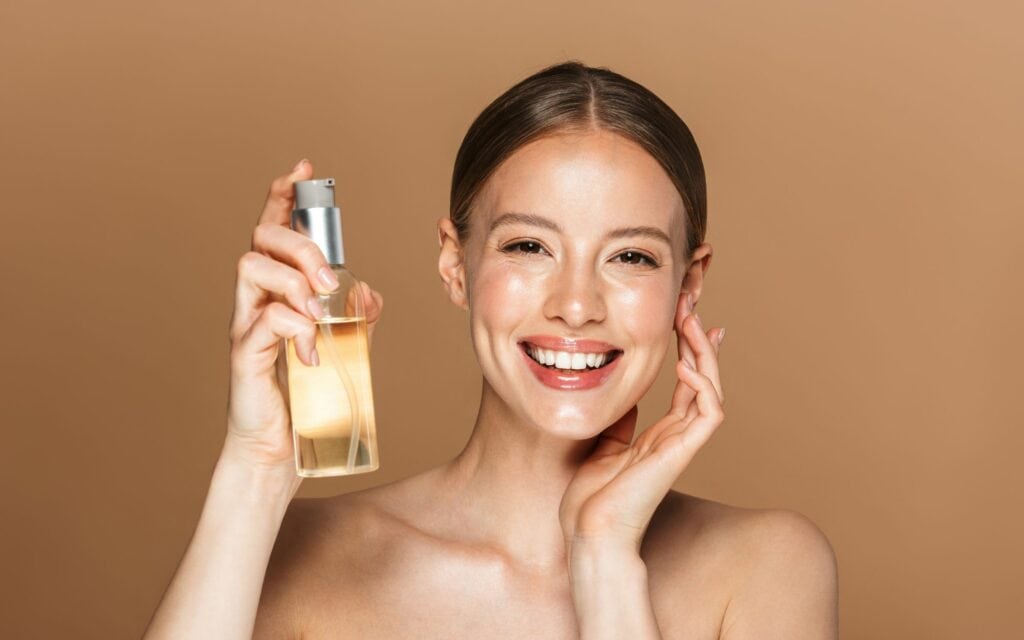
Welcome to The Derm Spot, your trusted source for dermatology and skin care advice. If you’ve ever battled dry, brittle hair that just won’t cooperate no matter what you try, you’re not alone. Dry hair can leave your strands looking dull and feeling fragile, making it tough to achieve that healthy shine you want.
In this guide, you’ll discover the top hair oils for dry hair that can transform your hair care routine. Using the right nourishing oils helps restore moisture, reduce frizz, and protect your strands from damage. From lightweight options to deeply hydrating oils, we’ll cover everything you need to know to bring life back to your hair and keep it looking vibrant. Let’s dive into the best solutions for soft, nourished hair that feels as good as it looks.
Understanding Dry Hair and Its Needs
Dry hair lacks moisture and natural oils, leading to brittleness, frizz, and dullness. Addressing its needs involves identifying causes and recognizing signs that call for targeted care.
Common Causes of Dry Hair
- Environmental Exposure: Excessive sun, wind, and dry air reduce hair moisture.
- Heat Styling: Frequent use of blow dryers, straighteners, and curling irons damages the hair cuticle.
- Chemical Treatments: Coloring, bleaching, perming, and relaxing strip natural oils and proteins.
- Harsh Hair Care Products: Sulfate-rich shampoos and alcohol-based styling products cause dryness.
- Washing Habits: Over-washing or using hot water removes scalp oils essential for hydration.
- Deficiências nutricionais: Lack of vitamins like A, E, and biotin affects hair health.
- Health Conditions: Thyroid disorders and scalp conditions like psoriasis impair moisture retention.
- Envelhecimento: Natural oil production slows with age, making hair drier over time.
Signs You Need Hair Oil
- Lack of Shine: Hair looks dull and lifeless without natural luster.
- Increased Breakage: Brittle strands snap easily when brushed or styled.
- Tangled and Frizzy: Hair resists smooth styling and feels rough to the touch.
- Split Ends: Ends appear dry, frayed, and split, requiring regular trims.
- Scalp Itching or Flaking: Dry scalp can accompany dry hair, causing discomfort.
- Static Electricity: Hair flies away from the head, especially in dry environments.
- Difficulty in Manageability: Hair feels coarse and hard to detangle or style.
Using hair oils restores hydration by sealing moisture within the hair shaft. Choosing the right oil—whether lightweight like argan or deeply nourishing like coconut—addresses specific hair needs and conditions. Incorporate oils into your routine when these signs appear, adjusting frequency based on hair texture and environment.
For additional tips on hair and scalp care, explore resources on saúde do cabelo and learn about essential ingredientes para o cuidado da pele that support overall skin and hair balance.
Benefits of Using Hair Oils for Dry Hair
Hair oils deliver essential nutrients that hydrate and protect dry hair. They work by replenishing moisture and restoring the natural lipid barrier, which prevents further moisture loss. Regular use of hair oils reduces brittleness and improves elasticity, making your strands less prone to breakage.
Common benefits include:
- Moisture Retention: Oils like argan, jojoba, and coconut seal moisture within the hair shaft. This retains hydration for longer periods, combating dryness caused by environmental exposure or harsh hair care routines.
- Frizz Control: By smoothing the hair cuticle, oils reduce static electricity and frizz, resulting in shinier and more manageable hair.
- Scalp Nourishment: Certain oils, such as tea tree and castor, possess anti-inflammatory and antimicrobial properties. Applying these oils can relieve scalp itchiness and flakiness linked to dryness.
- Damage Protection: Oils form a protective layer that shields hair from heat styling, UV rays, and chemical treatments that exacerbate dryness and damage.
- Improved Hair Texture and Shine: Oils replenish vitamins and fatty acids, enhancing hair’s softness, smoothness, and natural shine.
Causes and Risk Factors Related to Dry Hair Addressed by Hair Oils
Dry hair arises from factors like:
- Excessive heat styling tools and chemical treatments disrupting natural oils
- Environmental exposure to sun, wind, and low humidity
- Overwashing or using harsh shampoos stripping hair’s lipid barrier
- Nutritional deficiencies affecting hair health
- Health conditions and aging reducing natural oil production
Using hair oils targets these factors by restoring lipids and balancing moisture levels.
Signs Indicating Your Hair Needs Oils
Look for these symptoms that suggest dryness:
- Dullness and lack of natural shine
- Increased tangling and split ends
- Rough, brittle texture
- Scalp itching, redness, or flakes
- Excessive frizz and static
- Difficulty in detangling and styling
Applying hair oils at this stage improves hair condition and prevents further damage.
Practical Daily Hair Care Tips Using Oils
Incorporate oils in your regimen by:
- Applying a few drops to damp hair after washing for added hydration
- Using oils as pre-shampoo treatments to deeply nourish strands
- Massaging the scalp weekly with oils like castor or tea tree to stimulate circulation and scalp health
- Avoiding excessive use to prevent greasy buildup, especially if you have fine hair
Pairing oils with gentle shampoos and conditioners supports overall hair health.
Quando procurar aconselhamento profissional
Consult a dermatologist or trichologist if dryness persists despite oil treatments, or if you notice:
- Severe scalp inflammation or infections
- Sudden hair loss or thinning
- Underlying scalp conditions like psoriasis or dermatitis
Professional guidance ensures targeted treatment and may include medicated products or therapies. For more insights on scalp and hair health, see Dermatologia e Saúde do cabelo.
Related Terms for Further Exploration
- Hair hydration
- Scalp care
- Natural oils for hair
- Hair damage repair
- Frizz control treatments
Using hair oils becomes an essential step in rescuing dry hair, restoring vitality, and maintaining a healthy scalp environment. For ingredients that benefit both skin and hair, explore our Ingredientes para cuidados com a pele de A a Z resource.
Top Hair Oils for Dry Hair
Your dry hair needs targeted nourishment from hair oils designed to restore moisture, smooth frizz, and strengthen strands. Choosing the right oil depends on hair texture, scalp condition, and desired results. Below are the most effective hair oils for dry hair, detailing their benefits and application methods to help you maintain hydrated, healthy hair.
Óleo de argão
Argan oil, often called “liquid gold,” is rich in vitamin E, antioxidants, and essential fatty acids. It hydrates hair by penetrating the hair shaft and sealing in moisture. This oil reduces breakage and improves shine without weighing hair down, making it ideal for fine to medium textures.
- Benefits: Deeply moisturizes, tames frizz, protects from heat damage, and adds softness.
- Utilização: Apply a few drops to damp or dry hair, focusing on mid-lengths and ends. Use 2–3 times weekly or daily in small amounts.
- Related terms: vitamin E for hair, heat protection, frizz control.
Óleo de coco
Coconut oil is known for its unique ability to penetrate the hair shaft due to its low molecular weight and lauric acid content. It prevents protein loss and restores the natural lipid barrier of hair cuticles that dry hair often lacks.
- Benefits: Moisturizes, reduces protein loss, promotes scalp health, prevents split ends.
- Utilização: Use as a pre-shampoo treatment by applying generously to dry hair and scalp, leave for 20–30 minutes, then shampoo. Avoid heavy use if hair feels greasy.
- Related terms: protein loss prevention, pre-shampoo treatment, scalp nourishment.
Óleo de jojoba
Jojoba oil closely resembles your scalp’s natural sebum, which makes it excellent for balancing scalp oils and hydrating dry hair without buildup. Its anti-inflammatory properties soothe scalp irritation, often linked with dryness.
- Benefits: Hydrates scalp and hair, reduces dryness and flaking, controls excess oil.
- Utilização: Massage a few drops into your scalp to support sebum balance, then distribute through hair lengths. Use regularly for scalp comfort and moisture.
- Related terms: scalp hydration, sebum regulation, anti-inflammatory oils.
Óleo de rícino
Castor oil is thick and rich in ricinoleic acid, known for stimulating blood circulation in the scalp. It supports hair growth while locking moisture into the strands, combating extreme dryness and brittleness.
- Benefits: Promotes hair growth, locks in moisture, strengthens weak strands, enhances fullness.
- Utilização: Mix with lighter oils (e.g., jojoba or argan) due to its viscosity. Apply to scalp and ends, leave overnight or for at least an hour before washing.
- Related terms: hair growth stimulation, thickening, moisturizing treatment.
Azeite
Olive oil contains high levels of antioxidants and essential fatty acids that repair damaged hair cuticles and prevent moisture loss. Its heavier texture makes it suitable for thick, coarse hair types that need intensive hydration.
- Benefits: Repairs damage, deeply moisturizes, improves shine, reduces frizz.
- Utilização: Use as a mask by warming oil slightly and applying from roots to ends. Cover hair with a shower cap for 30–45 minutes before shampooing.
- Related terms: hair repair, intensive hydration, antioxidant treatment.
| Hair Oil | Componentes principais | Primary Benefits | Application Tips | Melhor para |
|---|---|---|---|---|
| Óleo de argão | Vitamin E, antioxidants | Moisturizes, heat protection | Few drops on damp/dry hair | Fine to medium hair |
| Óleo de coco | Lauric acid, fatty acids | Reduces protein loss, scalp health | Pre-shampoo treatment | Todos os tipos de cabelo |
| Óleo de jojoba | Sebum-like wax esters | Scalp hydration, oil balance | Scalp massage, daily use | Dry scalp, oily roots |
| Óleo de rícino | Ricinoleic acid | Hair growth, moisture locking | Mix with lightweight oils, leave-in | Fragile, thinning hair |
| Azeite | Antioxidants, fatty acids | Damage repair, frizz reduction | Warm oil mask with cap | Thick, coarse hair |
Practical Tips for Using Hair Oils on Dry Hair
- Apply to damp hair after showering to lock in moisture.
- Use oils as pre-shampoo treatments to deeply hydrate without buildup.
- Massage scalp regularly with jojoba or castor oil to improve circulation and scalp health.
- Avoid overuse that can cause greasiness; start with small amounts.
- Pair oils with gentle, sulfate-free shampoos and conditioners to maintain balance.
Quando procurar aconselhamento profissional
Consult a dermatologist or hair care specialist if dryness persists despite oil treatments, or if you experience intense scalp itching, flaking, or sudden hair loss. Expert evaluation ensures targeted treatment for underlying conditions. Explore related topics on dermatologia e saúde do cabelo for more guidance.
For ongoing hair rejuvenation, combining oil treatments with a balanced diet, proper hydration, and protective styling safeguards your strands. Additionally, learning about ingredientes para o cuidado da pele can help you choose complementary products nourishing both scalp and hair.
How to Choose the Right Hair Oil for Your Hair Type
Choosing the right hair oil depends on understanding your hair type and its specific needs. Hair oils vary in texture, absorption rate, and benefits. Identifying these can help you select an oil that nourishes without weighing down your strands.
Identify Your Hair Type and Needs
- Fine Hair: Choose lightweight oils like jojoba or grapeseed oil. These oils moisturize without making hair greasy or heavy.
- Thick Hair: Opt for richer oils such as castor oil or olive oil. These provide deep hydration and help control frizz.
- Cabelo encaracolado ou áspero: Use heavier, moisturizing oils like coconut or argan oil. They improve curl definition and reduce dryness.
- Oily Scalp: Select non-comedogenic oils such as tea tree or jojoba oil. They balance scalp sebum and prevent clogged pores.
- Dry Scalp: Use oils rich in fatty acids like castor or avocado oil to soothe irritation and flaking.
Evaluate Oil Properties
- Absorption Rate: Fast-absorbing oils prevent greasy buildup, suitable for daily use. Slow-absorbing oils work well for overnight treatments.
- Comedogenic Rating: Lower-rated oils avoid clogging scalp pores, important for sensitive or acne-prone scalps.
- Nutrient Content: Oils rich in vitamins E, A, and fatty acids support scalp health and hair repair.
Match Oil Benefits to Hair Concerns
| Hair Concern | Recommended Oils | Benefits |
|---|---|---|
| Secura | Argan, coconut, olive | Intense hydration, moisture retention |
| Breakage | Castor, jojoba | Strengthen hair shaft, reduce split ends |
| Frizz | Argan, grapeseed | Smooth flyaways, improve manageability |
| Scalp Issues | Tea tree, avocado | Anti-inflammatory, soothe itching/flaking |
| Dullness | Rosehip, almond | Restore shine, improve texture |
Practical Tips for Selection
- Test Small Amounts: Apply a small quantity to a patch of hair to check for reactions or residue.
- Consider Seasonal Changes: Use lighter oils in humid weather and heavier oils in dry or cold seasons to adapt moisture needs.
- Combine Oils: Blend oils like jojoba and castor for balanced hydration and scalp care.
- Choose Pure, Natural Oils: Avoid oils with synthetic additives or heavy fragrances, as these might irritate the scalp.
Related Resources for Deeper Knowledge
Explore more about scalp health and nourishment in saúde do cabelo or dive into ingredientes para o cuidado da pele to understand oil components better.
Quando procurar aconselhamento profissional
Seek expert guidance if you experience persistent scalp irritation, sudden hair loss, or if dryness worsens despite oil use. Dermatologists can recommend targeted treatments, including medicated oils or supplements from the dermatologia categoria.
By aligning hair oil properties with your hair type and concerns, you enhance effectiveness and maintain nourished, strong strands.
Tips for Applying Hair Oil Effectively
Applying hair oil correctly enhances its benefits for dry hair. Follow these tips for maximum nourishment and shine.
- Start with clean hair: Apply oil to freshly washed, damp hair to lock in moisture and promote absorption.
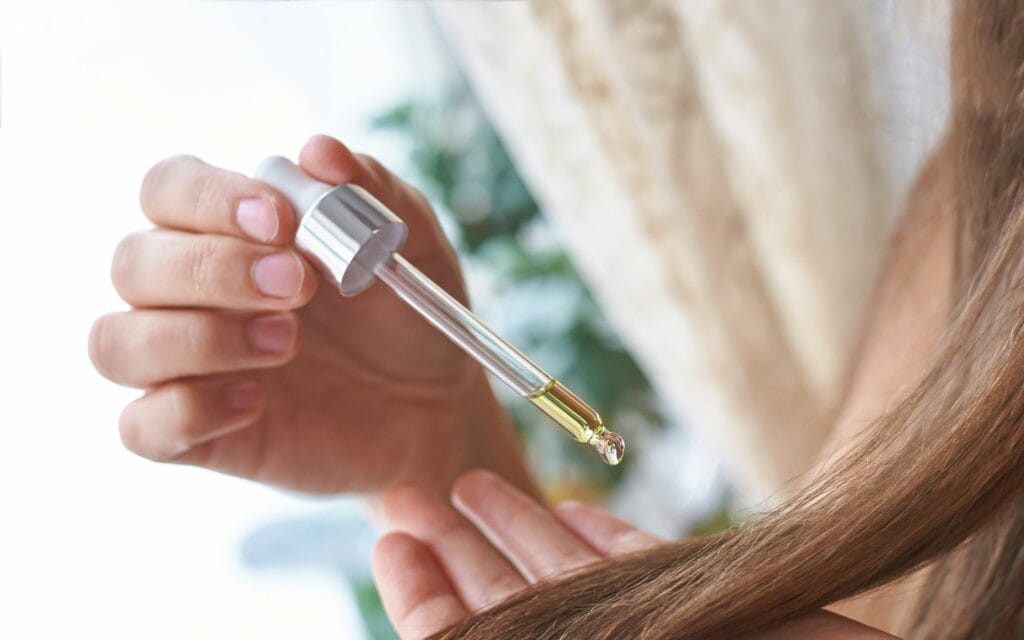
- Use the right amount: Dispense 2 to 4 drops of oil depending on your hair length and thickness to avoid greasiness.
- Distribute evenly: Warm oil between your palms and run your fingers through your hair, focusing on mid-lengths to ends where dryness is most severe.
- Massage the scalp: Use your fingertips to gently massage the scalp in circular motions; this stimulates blood circulation and nourishes hair follicles.
- Apply as a pre-shampoo treatment: Leave oil in your hair for 30 minutes to 1 hour before shampooing to deeply condition and prevent protein loss.
- Use as an overnight mask: For intense hydration, apply a generous amount of oil and cover your hair with a shower cap overnight. Wash out thoroughly in the morning.
- Avoid the roots if your scalp is oily: Concentrate oil application on dry strands and tips, reducing buildup and scalp issues.
- Combine oils wisely: Mix lightweight oils like jojoba with heavier ones like castor oil for a balanced effect tailored to your hair type.
- Pair with gentle hair care products: Use sulfate-free shampoos and moisturizing conditioners to maintain the effects of oil treatments.
Monitor how your hair responds and adjust frequency and amount to find the optimal routine. Excessive oiling may cause buildup or attract dirt, diminishing hair health.
For ongoing dryness or scalp problems, seek advice from dermatology or hair health specialists to address underlying causes. Explore related resources on dermatologia e saúde do cabelo for expert guidance and professional treatments.
Conclusão
Choosing the right hair oil can transform your dry, brittle strands into soft, manageable locks. By understanding your hair type and specific needs, you’ll find the perfect oil that nourishes and protects your hair without weighing it down.
Remember to apply oils thoughtfully and adjust your routine based on how your hair responds. Consistency combined with proper care will help you maintain healthy, shiny hair that feels revitalized every day.
Investing in quality hair oils is a simple yet effective step toward achieving the nourished hair you deserve.
Perguntas mais frequentes
What causes hair to become dry and brittle?
Dry hair results from a lack of moisture and natural oils. Common causes include heat styling, chemical treatments, environmental exposure, harsh hair products, overwashing, nutritional deficiencies, aging, and certain health conditions.
How do hair oils help dry hair?
Hair oils restore moisture by sealing it inside the hair shaft, reduce frizz, nourish the scalp, protect from damage, and improve hair texture and shine.
Which hair oils are best for dry hair?
Argan Oil, Coconut Oil, Jojoba Oil, Castor Oil, and Olive Oil are effective for dry hair, each offering unique benefits like hydration, protein protection, scalp balance, growth promotion, and damage repair.
How should I apply hair oil for best results?
Apply oil to clean, damp hair. Use a moderate amount, distribute evenly, massage the scalp, and consider using as a pre-shampoo treatment or overnight mask. Avoid oily roots if you have an oily scalp.
Can using too much hair oil damage hair?
Yes, excessive oil can cause greasy buildup and weigh hair down. Use the right amount based on your hair type and adjust frequency to avoid buildup.
How do I choose the right hair oil for my hair type?
Consider your hair texture (fine, thick, curly), scalp condition (oily, dry), and specific concerns (dryness, frizz). Test small amounts first and choose oils with suitable absorption rates and nutrient profiles.
How often should I oil my hair?
Frequency depends on your hair type and needs. Typically, 1-3 times a week is effective. Adjust based on how your hair responds and environmental factors.
Are there any risks using hair oil on a sensitive scalp?
Some oils may irritate sensitive scalps or cause allergic reactions. Patch testing new oils before full use and consulting a dermatologist is recommended.
Can hair oils promote hair growth?
Certain oils like Castor Oil can support hair growth by nourishing follicles, but overall healthy hair growth depends on multiple factors including diet and scalp health.
Should hair oil be used with shampoos and conditioners?
Yes, pairing oils with gentle shampoos and conditioners helps maintain balance, enhance moisture, and prolong the effects of oil treatments.