Welcome to The Derm Spot, your trusted source for dermatology and skin care advice. Have you ever noticed an irritating rash after a workout or a hot day? That uncomfortable rash from sweat, also known as sweat rash or heat rash, affects many people and can disrupt your daily comfort.
Understanding why sweat causes skin irritation is key to preventing and treating it effectively. This article will explore common triggers, symptoms, and practical tips to keep your skin clear and healthy. Whether you’re dealing with prickly heat or clogged pores, knowing how to manage sweat-related skin issues can make a big difference in your routine. Let’s dive into what causes sweat rashes and how you can protect your skin from discomfort and irritation.
Understanding Rash From Sweat
Sweat rash occurs when sweat clogs your skin’s pores, leading to irritation. Recognizing its causes and symptoms helps you manage and prevent it effectively.
What Is Sweat Rash?
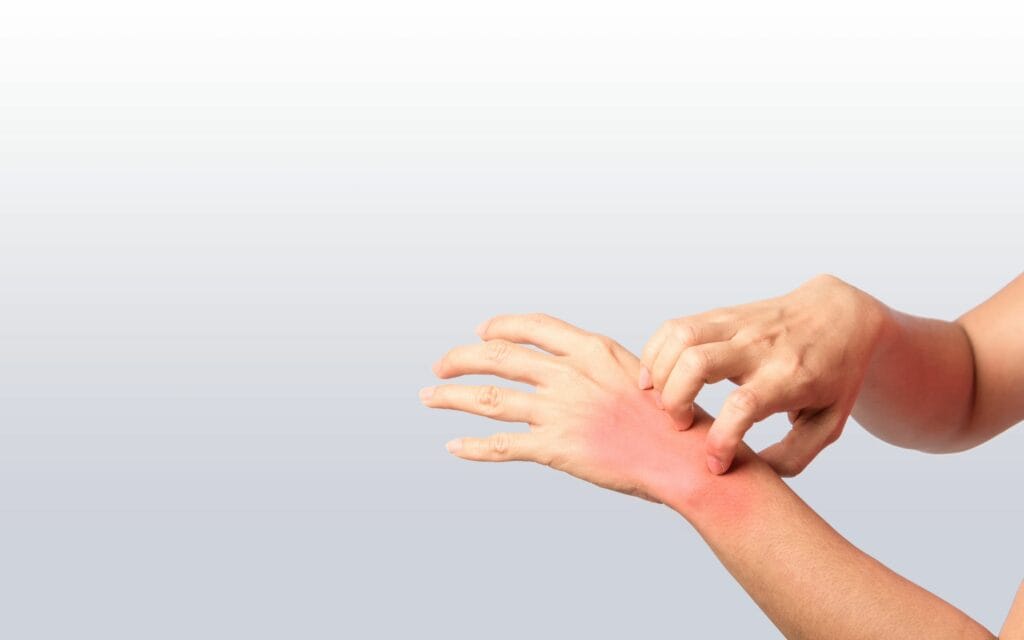
Sweat rash, also called heat rash or miliaria, results from blocked sweat ducts. When sweat can’t escape, it gets trapped beneath your skin. This causes red bumps, itching, or prickly sensations on areas exposed to sweat. Sweat rash commonly affects skin folds, the neck, back, and chest.
Types of sweat rash include:
- Miliaria crystallina: Clear, tiny bumps without inflammation.
- Miliaria rubra: Red bumps with itching or burning.
- Miliaria profunda: Deep, flesh-colored lumps.
Sweat rashes can appear with increased sweating during hot weather, exercise, or wearing tight clothes. You can develop it on your skin or scalp, impacting both skin health and hair comfort.
Common Causes and Risk Factors
Sweat rash arises when sweat ducts get blocked, with several factors that increase risk:
- Hot and Humid Weather: High temperatures and humidity boost sweating, increasing sweat duct blockage chances.
- Excessive Sweating: Intense workouts, fever, or prolonged heat exposure cause heavy sweating.
- Tight or Non-Breathable Clothing: Synthetic fabrics trap sweat and heat against your skin.
- Obesity: More skin folds create warm, moist areas prone to sweat rash.
- Young Age: Babies often get heat rash due to immature sweat glands.
- Skin Conditions: Existing dermatitis or eczema can worsen sweat rash.
- Poor Hygiene: Infrequent washing leads to sweat and debris buildup.
- Stress and Anxiety: These can drive sweating episodes.
Related terms include prickly heat, sweat-induced dermatitis, clogged pores, and folliculitis.
| Cause or Risk Factor | Explanation |
|---|---|
| Hot and Humid Weather | Increases sweating and sweat duct blockage |
| Excessive Sweating | Overloads sweat glands during heat or exercise |
| Non-Breathable Clothing | Traps sweat and heat on skin surface |
| Obesity | Skin folds create moist environments |
| Young Age | Immature sweat glands in infants |
| Skin Conditions | Irritated or sensitive skin worsens rash |
| Poor Hygiene | Sweat and dirt buildup clogs pores |
| Stress and Anxiety | Increases sweating episodes |
Explore more on skin health for deeper insights on sweat-related skin conditions, and on body care for practical hygiene tips.
Understanding these causes helps you identify triggers and adjust habits to keep your skin clear of sweat rash. You can maintain healthier skin and scalp by addressing these risk factors daily.
Symptoms and Types of Sweat Rash
Sweat rash, or miliaria, appears when sweat ducts get blocked, causing irritation on your skin or scalp. Recognizing symptoms and distinguishing between types helps you manage and treat these rashes effectively.
Heat Rash (Miliaria)
Heat rash forms when sweat gets trapped under your skin due to blocked sweat glands. It commonly occurs in hot, humid conditions or after intense physical activity. Here are the main types of heat rash:
- Miliaria crystallina: Characterized by tiny, clear blisters without inflammation. These bumps appear on the upper chest, back, or forehead, often without discomfort.
- Miliaria rubra (prickly heat): Features red, itchy bumps and a prickly sensation. It usually develops on areas with friction or tight clothing, like the underarms, neck, or groin.
- Miliaria profunda: Causes larger, flesh-colored bumps deeper in the skin, occurring less frequently and associated with prolonged heat exposure.
Signs and Symptoms of heat rash include:
- Small red or clear bumps
- Itching or prickling sensations
- Mild swelling at the rash site
- Discomfort or sensitivity to touch
Causes and Risk Factors:
- Hot, humid weather
- Excessive sweating from exercise or heat
- Wearing tight or non-breathable clothing
- Obesity, increasing skin folds
- Infants or young children with underdeveloped sweat ducts
- Preexisting skin conditions, such as eczema
- Poor hygiene and accumulated sweat
Prevention Tips include:
- Wearing loose, breathable fabrics like cotton
- Showering and changing clothes after sweating
- Using air conditioning or fans to cool your environment
- Avoiding heavy creams or oils that can block pores
Treatment Options:
- Keep affected areas dry and cool
- Apply calamine lotion or hydrocortisone creams to reduce itching
- Use gentle, fragrance-free cleansers to avoid irritation
- Avoid scratching to prevent infection
- Seek professional advice if the rash worsens or shows signs of infection
This type of sweat rash relates closely to general skin health and can impact your daily comfort.
Other Forms of Sweat-Related Rashes
Beyond miliaria, sweat can trigger other types of skin or scalp irritation:
- Folliculitis due to sweat: Sweat mixing with dirt and bacteria can inflame hair follicles, causing red, pus-filled bumps on the scalp or body. This condition requires careful hygiene and may benefit from topical antibiotics or antibacterial shampoos.
- Intertrigo: This rash occurs in skin folds where sweat aggregates, such as under the breasts or between thighs. It leads to redness, soreness, and sometimes fungal infection. Keeping these areas dry and using antifungal powders can help.
- Sweat dermatitis: Persistent moisture from sweat irritates the skin, causing redness and scaling, often seen on the face and scalp in hot climates. Moisturizers and medicated shampoos targeting hair health ease symptoms.
Symptoms across these rashes include redness, itching, small bumps, swelling, and sometimes discomfort or pain.
Causes and Risk Factors:
- Prolonged moisture exposure
- Friction and tight clothing
- Poor hygiene or excessive sweating
- Underlying conditions like fungal infections or eczema
Preventive Measures:
- Maintain proper hygiene with regular washing using mild, non-comedogenic products
- Wear moisture-wicking clothes during exercise
- Use medicated body washes or shampoos as directed
- Dry skin folds carefully after bathing or sweating
Treatment Guidance:
- Use topical antifungals or antibiotics for infected rashes
- Apply soothing lotions with ingredients like aloe vera or oatmeal
- Consult a dermatologist for persistent or worsening conditions, especially when rash spreads or causes significant discomfort
Daily care routines supporting sweat rash management integrate well with body care practices focused on maintaining clear, healthy skin and scalp.
| Type of Sweat Rash | Location Commonly Affected | Key Symptoms | Prevention Tips | Treatment Options |
|---|---|---|---|---|
| Miliaria crystallina | Chest, back, forehead | Clear blisters, no irritation | Loose clothing, cool environment | Dry skin, calamine lotion |
| Miliaria rubra (prickly heat) | Neck, underarms, groin | Red itchy bumps, prickling | Avoid tight clothes, shower post-sweat | Hydrocortisone cream, avoid scratching |
| Miliaria profunda | Trunk, limbs | Flesh-colored bumps, deeper | Reduce prolonged heat exposure | Medical consultation recommended |
| Folliculitis | Scalp, body | Red pustules, hair follicle inflammation | Maintain hygiene, antibacterial shampoos | Topical antibiotics |
| Intertrigo | Skin folds (breasts, thighs) | Redness, soreness, fungal infection | Keep folds dry, antifungal powders | Antifungal creams, dryness |
| Sweat dermatitis | Face, scalp | Redness, scaling | Gentle cleansing, moisture control | Medicated shampoos, moisturizers |
For further reading on managing skin conditions and ingredients beneficial for your skin, explore Skincare Ingredients A to Z and Dermatology resources.
If your symptoms persist or worsen despite home care, seek professional advice promptly to prevent complications and receive targeted treatment.
Prevention Tips for Sweat Rash
Preventing sweat rash focuses on reducing sweat buildup and keeping your skin dry, clean, and well-ventilated. Managing factors that contribute to blocked sweat ducts helps maintain healthy skin and limits irritation.
Clothing and Fabric Choices
Selecting the right clothing reduces friction and traps less sweat on your skin. Consider these points:
- Wear lightweight, breathable fabrics such as cotton, linen, or moisture-wicking materials designed for activewear. These keep sweat away and improve airflow.
- Avoid tight or restrictive clothing that compresses sweat glands and obstructs airflow. Opt for loose-fitting garments, especially around common sweat-prone areas like the back, chest, and groin.
- Choose seamless or flat-seamed clothes to reduce skin irritation caused by chafing.
- Change sweaty clothes promptly to prevent prolonged skin exposure to moisture and bacteria buildup.
- Use soft, skin-friendly fabrics that minimize irritation for sensitive skin prone to sweat rash.
Hygiene Practices
Proper hygiene lowers the risk of sweat rash by removing sweat, bacteria, and dead skin cells, which can clog sweat ducts:
- Shower immediately after heavy sweating with a gentle cleanser that supports skin’s natural barrier without stripping oils.
- Dry your skin thoroughly after bathing, focusing on folds and areas that trap moisture, as sweat rashes often develop in these locations.
- Use hypoallergenic, fragrance-free products to avoid additional irritation or allergic reactions.
- Exfoliate gently 1-2 times per week to clear pores and reduce clogged sweat ducts; avoid harsh scrubbing that damages skin.
- Avoid sharing towels or clothing to prevent bacterial or fungal infections that worsen sweat rash.
Environmental and Lifestyle Adjustments
Adapting your environment and daily routines helps control sweat rash triggers related to heat and humidity:
- Stay in cool, air-conditioned spaces or use fans to reduce excessive sweating during hot weather.
- Limit physical activity in high-temperature or humid conditions; if exercising, take frequent breaks and use cooling products.
- Keep your living areas ventilated and dry, especially bedrooms, to reduce skin exposure to heat and moisture while sleeping.
- Maintain a healthy weight, since excess body fat can increase sweating and friction leading to sweat rashes.
- Manage stress through relaxation techniques like meditation or deep breathing because it can influence sweat gland activity and skin health.
- Drink plenty of water to regulate body temperature and support skin hydration and repair.
For additional skin care advice related to sweat rash prevention, explore skin health tips and dermatology resources.
Related Terms and Additional Care
- Heat rash treatment involves topical corticosteroids for inflammation and calamine lotion for itching relief.
- Sweat dermatitis requires antifungal or antibacterial creams if an infection occurs.
- Folliculitis prevention includes keeping hair follicles clean and avoiding excessive sweating around hair-covered areas; learn more at hair health.
Always seek professional advice if sweat rash worsens after basic care or if signs of infection appear, such as increasing redness, pus, or fever.
For deeper care routines and ingredient insights, review our Skincare Ingredients A to Z and Body Care categories.
Treatment Options for Rash From Sweat
Treating a rash from sweat requires a combination of at-home care and, if needed, medical intervention to soothe irritation and clear the skin. Understanding treatment options helps you restore skin health and prevent recurrence.
Home Remedies and Over-the-Counter Solutions
Managing sweat rash effectively begins with simple remedies and accessible products you can use daily. These measures reduce inflammation, ease itching, and promote skin healing.
- Cool Compresses: Apply cool, damp cloths to affected areas for 10–15 minutes multiple times daily. Cooling soothes inflammation and decreases irritation.
- Calamine Lotion: Use calamine lotion to relieve itching and dry out sweat-induced bumps. It also helps reduce redness from miliaria rubra.
- Hydrocortisone Cream: Apply a 1% hydrocortisone cream sparingly to reduce inflammation and itching. Avoid prolonged use to prevent skin thinning.
- Antibacterial or Antifungal Creams: If secondary infections occur from broken skin, use topical antibiotics or antifungal creams as directed.
- Gentle Cleansing: Use mild, fragrance-free cleansers to wash skin twice daily. Avoid harsh soaps that strip moisture and worsen irritation.
- Loose, Breathable Clothing: Opt for cotton or moisture-wicking fabrics to minimize sweat accumulation and allow skin to breathe.
- Regular Showering: Shower soon after sweating to remove sweat, bacteria, and oils that can block pores.
- Powders and Antiperspirants: Use talc-free powders or antiperspirants on sweat-prone areas to reduce moisture buildup.
- Avoid Heavy Lotions: Skip thick, occlusive creams which can block pores and worsen sweat rash.
These steps support your skin’s natural healing and reduce discomfort from sweat rash and related conditions like folliculitis or sweat dermatitis.
When to See a Doctor
Consult a healthcare professional if:
- Rash worsens despite home treatment.
- You observe signs of infection, such as increased redness, swelling, pain, or pus.
- You develop fever or chills with rash.
- Rash spreads beyond sweat-prone areas.
- Symptoms persist longer than one week or frequently recur.
A dermatologist can provide a precise diagnosis and prescribe stronger treatments, including:
- Prescription corticosteroids or calcineurin inhibitors to control inflammation.
- Oral antibiotics or antifungals for secondary infections.
- Specialized cleansers or topical agents tailored to your skin type and condition.
- Guidance on managing underlying factors, such as excessive sweating or skin sensitivity.
For ongoing skin health support, explore topics like dermatology and skin health for expert advice and treatment options.
| Treatment Type | Purpose | Usage Tips |
|---|---|---|
| Cool compress | Reduce inflammation and itching | Apply 10–15 mins several times daily |
| Calamine lotion | Soothe itching and dry bumps | Apply thin layer; avoid broken skin |
| Hydrocortisone cream | Control inflammation and redness | Use 1% cream short-term only |
| Antibacterial/Antifungal | Treat infections secondary to rash | Follow prescribed instructions |
| Gentle cleanser | Clean skin without irritation | Twice daily, mild formulas |
| Loose clothing | Decrease sweat accumulation | Cotton or moisture-wicking fabrics |
| Talc-free powders | Absorb moisture | Apply to dry skin areas |
Incorporate these treatment strategies into your daily routine to maintain clear, healthy skin and prevent sweat rash flare-ups. For further guidance on skin and body care, visit body care resources.
Conclusion
Dealing with a sweat rash can be frustrating, but with the right care and attention, you can manage and prevent flare-ups effectively. Paying close attention to your skin’s needs, wearing breathable clothing, and maintaining good hygiene are key steps you can take daily. If your rash persists or worsens, don’t hesitate to seek professional advice to get the appropriate treatment. Taking these proactive measures will help keep your skin comfortable and healthy, even in hot or humid conditions.
Frequently Asked Questions
What is sweat rash and what causes it?
Sweat rash, or miliaria, occurs when sweat ducts become blocked, causing red bumps, itching, or prickly skin, especially in sweaty areas. It’s commonly triggered by hot weather, excessive sweating, tight clothing, and poor hygiene.
What are the different types of sweat rash?
There are three main types: miliaria crystallina (tiny clear blisters), miliaria rubra (red, itchy bumps), and miliaria profunda (larger, flesh-colored bumps). Each type varies by severity and appearance.
How can I prevent sweat rash?
Prevent sweat rash by wearing loose, breathable clothing, staying in cool environments, showering after sweating, using hypoallergenic skincare, and keeping your skin dry and clean.
What treatments are effective for sweat rash?
Treatment includes cool compresses, calamine lotion, hydrocortisone cream, and gentle cleansers. For severe cases, topical corticosteroids or antifungal creams may be needed, along with medical advice.
When should I see a doctor for sweat rash?
Consult a healthcare professional if the rash worsens, spreads, shows signs of infection (such as pus or increasing pain), or does not improve with home treatment.
Can sweat rash affect the scalp?
Yes, sweat rash can also occur on the scalp, causing itching and bumps, especially if sweat is trapped under hair or hats.
Are certain people more prone to sweat rashes?
Yes, those who are obese, young children, people with existing skin conditions, or under high stress are more likely to develop sweat rashes.
What other skin issues are related to sweating?
Besides sweat rash, sweating can cause folliculitis (inflamed hair follicles), intertrigo (skin fold irritation), and sweat dermatitis, each requiring specific care.