
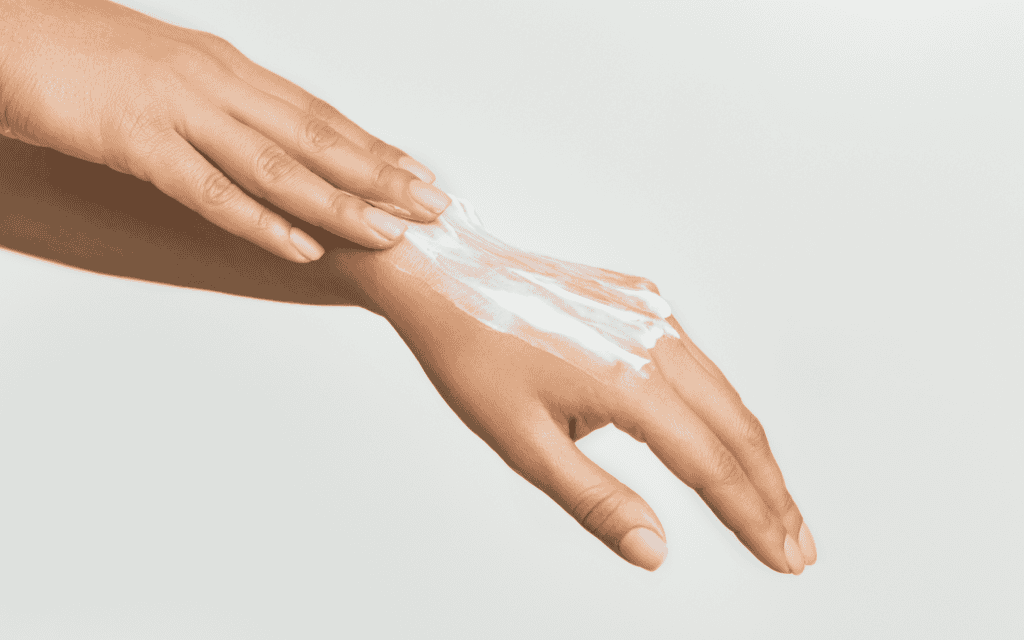
Welcome to The Derm Spot, your trusted source for dermatology and skin care advice. If your hands feel rough, tight, or perpetually dehydrated, especially after constant washing or winter air, an overnight hand mask can be the game changer you’ve been missing. You’ll apply it before bed, sleep, and wake up to softer, smoother, more supple skin. Simple, but there’s real skin science behind it. In this guide, you’ll learn why an overnight hand mask works so well, how to pick the right formula in 2026, and the exact steps to get results that actually last.
Why Overnight Hand Masks Work
An overnight hand mask leverages the hours when you’re not washing, typing, or touching your phone to deeply rehydrate and repair. With the right blend of humectants, emollients, and occlusives, your skin barrier gets the uninterrupted time it needs to rebuild.
Skin Barrier 101
Your hands have fewer oil glands than your face, so they lose moisture faster. Add frequent handwashing, hand sanitizer, and environmental exposure, and the stratum corneum (your outermost skin layer) becomes depleted. An overnight hand mask saturates this layer with:
- Humectants to draw in water (think glycerin, hyaluronic acid, panthenol).
- Emollients to smooth and fill micro-cracks (shea butter, squalane, ceramides).
- Occlusives to lock moisture in (petrolatum, dimethicone, plant waxes).
When these work together, transepidermal water loss (TEWL) drops, texture improves, and that tight, papery feel eases by morning.
The Sleep Window Advantage
While you sleep, skin temperature rises slightly and barrier recovery ramps up. No handwashing interruptions. No UV exposure. No friction from gym equipment or steering wheels. That quiet window lets an overnight hand mask penetrate and perform:
- Better ingredient uptake due to increased skin permeability at night.
- Reduced mechanical stress, your hands simply rest.
- Consistent occlusion if you add cotton or nitrile gloves, enhancing absorption.
In short: less interference, more repair.
Choose the Right Mask for 2026
The best overnight hand mask in 2026 blends classic moisturizers with new barrier-savvy tech, like biomimetic lipids and microbiome-friendly preservatives. Scan labels with intent rather than chasing hype.
Humectants, Emollients, Occlusives
Aim for a balanced formula:
- Humectants: glycerin, sodium hyaluronate, urea (5–10% is both hydrating and smoothing), panthenol. Urea is especially helpful for rough knuckles.
- Emollients: shea butter, cocoa butter, squalane, jojoba oil, ceramide NP/AP/EOP, cholesterol, phytosphingosine to replenish the lipid matrix.
- Occlusives: petrolatum (gold standard), dimethicone, lanolin (skip if you’re sensitive), hydrogenated polyisobutene, plant waxes. Occlusion is key to an effective overnight hand mask.
Supportive extras in 2026:
- Barrier-repair complexes (ceramides + cholesterol + fatty acids in a 3:1:1 or similar ratio).
- Peptides for skin firmness (palmitoyl tripeptides, copper peptides).
- Niacinamide (2–5%) to support barrier function and tone.
- Microbiome-friendly preservatives and low fragrance to reduce irritation.
Targeting Concerns: Dryness, Aging, Irritation
- Severe Dryness/Cracks: choose petrolatum-rich balms with 5–10% urea and ceramides. Consider a split routine: urea/ceramide cream first, petrolatum occlusion on top.
- Photoaging/Crepey Texture: look for peptides, niacinamide, and antioxidants (vitamin E, green tea). Use retinoids on backs of hands at night on alternate days, then seal with your mask. Be cautious if you’re sensitive.
- Redness/Irritation: avoid fragrance and essential oils. Prioritize simple, hypoallergenic formulas with colloidal oatmeal, panthenol, and ceramides. Silicone occlusives (dimethicone) can be gentler than lanolin.
If you’re ingredient-curious, explore our ingredient explainers in the Skincare Ingredients A–Z section on our site for deeper dives.
Prep for Maximum Absorption
A few minutes of prep makes your overnight hand mask work harder for you.
Cleanse and Gently Exfoliate
- Wash with a mild, pH-balanced hand cleanser. Skip harsh sulfates if you’re already dry.
- 1–3x weekly, use gentle chemical exfoliation (a PHA like gluconolactone or a low-strength lactic acid hand cream) to lift dull flakes. Avoid gritty scrubs if your skin is cracked, they can sting and create microtears.
- Pat completely dry before applying your mask to keep texture even and reduce dilution.
Nail and Cuticle Care
- Push back cuticles gently after a warm soak: don’t clip unless there’s a hangnail.
- Massage a cuticle oil (jojoba, squalane) or thick balm around nail folds before your mask. Healthier cuticles mean fewer snags and less irritation.
- If you wear gels or acrylics, keep product off the nail surface to avoid lifting.
Step-By-Step Application
Here’s the straightforward routine to get the most from your overnight hand mask.
Amount, Layers, and Occlusion
- Apply a nickel-sized amount per hand of a humectant-rich cream. Work it into the backs of hands, between fingers, and around knuckles.
- Add a pea-sized layer of an occlusive balm to the driest zones (knuckles, cuticles, sides of index and thumb). If you’re severely dry, spread a thin film across the entire back of each hand.
- For extra power, use light occlusion: cotton gloves or thin, breathable spa gloves. Occlusion can increase hydration significantly and cuts down mess.
Pro tip: If you’re using a retinoid on hand backs, apply it first on alternate nights, wait 10–15 minutes, then continue with your overnight hand mask layers.
Gloves and Mess-Proof Tips
- Choose washable cotton gloves for breathability. If you need waterproofing (travel, camping), slip nitrile gloves over cotton for a short period: remove before sleeping if they trap too much heat.
- Keep a dedicated “mask pillowcase” or small towel on your nightstand to protect bedding.
- Apply 10–20 minutes before lights out. Let the first layer sink in while you read or scroll, less slip, more staying power.
Morning Rinse and Seal
- In the morning, rinse with lukewarm water and a gentle cleanser only if there’s residue. Don’t over-wash.
- Pat dry and seal with a lighter daytime hand cream. If you’re heading out, finish with a broad-spectrum SPF 30+ on the backs of hands to protect your overnight gains.
Make Results Last
Hydrated hands today, smoother hands next month. Think maintenance.
Daytime Hydration and SPF
- Keep a travel-size hand cream by your sink, desk, and in your bag. Reapply after each wash.
- Choose glycerin-forward formulas that absorb fast and don’t leave your phone slippery.
- Sunscreen, daily. UV drives spots and crepiness. Use a non-greasy SPF 30+ on hand backs every morning and reapply if you’re outdoors. Mineral sticks are convenient.
Weekly Habits and Lifestyle Tweaks
- Mask 2–4 nights a week depending on dryness. On off nights, use a ceramide cream.
- Wear gloves for dishwashing and cleaning: hot water and detergents strip lipids fast.
- Add a humidifier in winter. Even a small bedroom unit reduces overnight water loss.
- Protein- and omega-rich diet supports nail and skin health. Hydration matters, too.
Troubleshooting and Safety
A good overnight hand mask should feel soothing, never sharp or stingy. If it does, adjust.
Patch Testing and Sensitivities
- Test new products on the inner forearm for 24–48 hours first, especially if you have eczema or contact dermatitis.
- Fragrance, lanolin, and certain preservatives are common triggers. Choose fragrance-free and hypoallergenic when in doubt.
- If redness, itching, or burning persists, stop and consult a dermatologist. You can browse topics in our Dermatology and Skin Health sections for more guidance.
Common Mistakes to Avoid
- Over-exfoliating. Chemical exfoliants daily plus scrubs equals barrier damage. Keep it gentle.
- Skipping SPF. One sunny drive can undo a week of progress on dark spots and crepe.
- Using too much oil alone. Oils soften, but without humectants and occlusives, hydration won’t last.
- Retinoid overload. Start 1–2 nights weekly on hand backs, buffer with moisturizer, then mask.
- Sleeping in tight, non-breathable gloves every night. Heat and sweat can irritate, alternate with cotton.
Conclusion
An overnight hand mask is a small habit with outsized payoff: you apply, you rest, your skin repairs. Prioritize balanced formulas, humectants, emollients, occlusives, prep with gentle care, and add light occlusion when you need a boost. Make SPF and daytime hydration your non-negotiables, and you’ll see smoother texture, softer cuticles, and hands that look as good as they feel. If your dryness or irritation persists, loop in a professional: tailored advice can fast-track results. Ready to wake up to better hands? Tonight’s the night.
Frequently Asked Questions
What is an overnight hand mask and does it really work?
An overnight hand mask uses humectants, emollients, and occlusives to rehydrate and repair while you sleep. Nighttime increases skin permeability and barrier recovery, reducing transepidermal water loss. By morning, texture feels smoother and tightness eases—especially if you add light occlusion with breathable cotton gloves to enhance absorption.
How do I choose the best overnight hand mask in 2026?
Look for a balanced formula: humectants (glycerin, sodium hyaluronate, 5–10% urea), emollients (shea butter, squalane, ceramides + cholesterol), and occlusives (petrolatum, dimethicone). Smart extras include niacinamide 2–5%, peptides, and microbiome-friendly preservatives. Pick low-fragrance, hypoallergenic options if sensitive; skip lanolin if you react to it.
What’s the correct way to apply an overnight hand mask for maximum absorption?
After washing and gently exfoliating 1–3x weekly, apply a nickel-sized amount per hand, focusing on backs, between fingers, and knuckles. Layer a pea-sized occlusive on driest spots. Slip on cotton gloves for light occlusion. If using a retinoid, apply it first on alternate nights, wait 10–15 minutes, then mask.
How often should I use an overnight hand mask and when will I see results?
Mask 2–4 nights weekly based on dryness. Many notice softer texture after one night, with smoother hands over several weeks. In the morning, rinse lightly, apply a daytime hand cream, and finish with broad-spectrum SPF 30+ on backs of hands to protect gains and prevent sun-driven crepiness and spots.
Can I use plain petrolatum (like Vaseline) as an overnight hand mask?
Yes. Petrolatum is the gold-standard occlusive, excellent for sealing moisture and healing cracks. For best results, layer it over a humectant-rich cream (glycerin, urea) to add water first, then lock it in. Use thin, even layers and optional cotton gloves to reduce mess and boost hydration.
Are overnight hand masks safe for eczema-prone or sensitive hands?
Generally, yes—choose fragrance-free, hypoallergenic formulas with ceramides, panthenol, dimethicone, and colloidal oatmeal. Avoid essential oils and potential irritants like lanolin if you’re reactive. Patch test on the inner forearm for 24–48 hours. If stinging, redness, or itching persists, stop and consult a dermatologist.