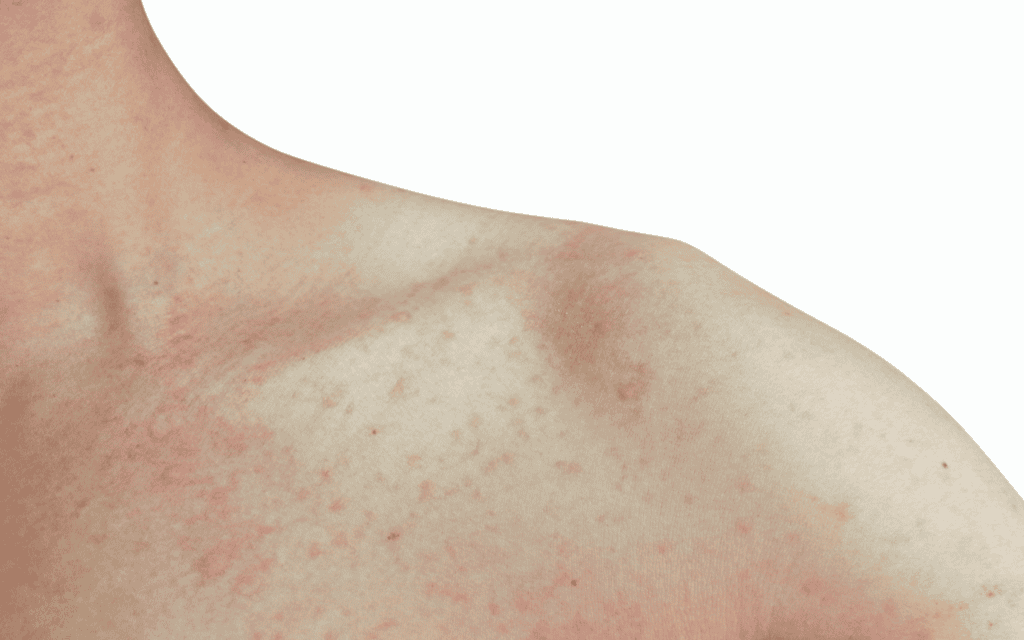
Rough and bumpy skin can be more than just a cosmetic concern; it often signals underlying issues that need attention. If you’ve noticed uneven texture or persistent bumps on your skin, you’re not alone. Many people experience this condition, which can stem from various factors like dry skin, keratosis pilaris, or even certain skin conditions.
Understanding the causes of rough and bumpy skin is crucial for effective treatment. It’s not just about finding the right products; it’s about nurturing your skin from the inside out. By identifying the root causes and implementing targeted solutions, you can achieve smoother, healthier skin that boosts your confidence and enhances your overall appearance. Let’s explore the common causes and the best ways to tackle this issue head-on.
Understanding Rough and Bumpy Skin
Rough and bumpy skin often results from various underlying factors, making it crucial to identify the causes for effective treatment. Several common causes contribute to this skin condition.
Common Causes
- Keratosis Pilaris: This genetic condition leads to small, rough bumps due to the buildup of keratin around hair follicles, often on the arms, thighs, and face.
- Dry Skin: Environmental factors, such as weather changes or low humidity, can cause skin to become dry, resulting in a rough texture.
- Eczema: This skin condition, characterized by inflammation, can cause dryness and bumpy patches, particularly in sensitive areas like the elbows and knees.
- Acne: Bumpy skin can result from acne, where clogged pores lead to raised areas and texture changes on the skin’s surface.
- Allergic Reactions: Contact with irritants or allergens may cause skin reactions, leading to bumps and roughness.
- Genetics: Family history plays a significant role in conditions like keratosis pilaris, increasing your likelihood of experiencing rough skin.
- Age: Aging skin often loses moisture and elasticity, making it more prone to rough texture and irregularities.
- Hormonal Changes: Fluctuations in hormones, particularly during puberty or pregnancy, can lead to skin changes and increased roughness.
- Lifestyle Choices: Poor diet, insufficient hydration, and lack of sun protection heighten the risk of developing rough and bumpy skin.
- Skin Care Products: Using harsh soaps or skincare products can strip valuable moisture, causing irritation and a bumpy appearance.
Symptoms and Identification
Identifying rough and bumpy skin involves recognizing distinct visual characteristics and understanding associated conditions. Symptoms may vary, indicating different underlying causes.
Visual Characteristics
- Texture: Rough and bumpy skin often feels uneven and coarse to the touch.
- Color: Areas may appear red, pink, or discolored, depending on the cause.
- Pores and Follicles: Enlarged pores or visible hair follicles can be prominent, particularly in keratosis pilaris.
- Dryness: Skin might look dry, flaky, or scaly, especially in cases of eczema or general dry skin.
- Distribution: Bumps commonly appear on arms, thighs, cheeks, or anywhere friction occurs.
- Keratosis Pilaris: Characterized by small, painless bumps, often mistaken for acne, usually located on the upper arms and thighs.
- Eczema: Includes patches of rough, red skin that might itch or burn. It occurs frequently in individuals with a history of allergies.
- Acne: Relates to rough skin texture, often combined with bumps and pimples on the face, back, and shoulders.
- Allergic Reactions: May lead to itchy, bumpy skin due to contact with allergens or irritants like skincare products and detergents.
- Folliculitis: Involves inflammation of hair follicles, leading to red, pus-filled bumps that resemble acne.
Treatment Options
Several effective treatment options exist for rough and bumpy skin. You can choose from home remedies or professional treatments to improve skin texture and overall appearance.
Home Remedies
- Moisturizers: Use thick moisturizers containing hyaluronic acid or glycerin to hydrate and soften skin. Apply daily after bathing to lock in moisture.
- Exfoliation: Exfoliate regularly using gentle scrubs or chemical exfoliants, like alpha-hydroxy acids (AHAs) and beta-hydroxy acids (BHAs). This promotes skin cell turnover and reduces roughness.
- Natural Oils: Apply natural oils such as coconut oil or jojoba oil. These provide additional moisture and help soothe irritated areas.
- Oatmeal Baths: Soak in oatmeal baths to relieve irritation and provide gentle exfoliation. Use colloidal oatmeal for best results.
- Apple Cider Vinegar: Dilute apple cider vinegar with water and apply it to the skin. This can help balance pH levels and reduce bumpy texture.
- Chemical Peels: Undergo chemical peels conducted by a dermatologist to remove dead skin cells and improve skin texture. These treatments can target specific skin concerns effectively.
- Microdermabrasion: Receive microdermabrasion treatments for a deeper exfoliation. This process helps diminish the appearance of bumps and promotes smoother skin.
- Laser Therapy: Consider laser treatments for targeted removal of rough patches. Laser therapy encourages collagen production, enhancing overall skin smoothness.
- Prescription Creams: Discuss prescription creams with your dermatologist. Products containing retinoids or stronger exfoliating ingredients can significantly improve skin texture over time.
- Light Therapy: Explore light therapy options, which can reduce redness and pigmentation while improving skin clarity. This method targets specific skin conditions effectively.
Prevention Tips
Adopting effective prevention strategies helps maintain smooth skin and minimize the occurrence of rough and bumpy patches. Focus on dedicated skincare routines and lifestyle changes to enhance skin health.
Skincare Routine
- Moisturize Regularly: Use thick moisturizers containing hyaluronic acid or glycerin daily. These ingredients help retain moisture and keep skin hydrated.
- Exfoliate Gently: Exfoliate with gentle scrubs or chemical exfoliants 2-3 times per week. This process removes dead skin cells and promotes cell turnover.
- Select Suitable Products: Choose skincare products that are free of harsh chemicals and fragrances. Look for items labeled “non-comedogenic” to avoid clogging pores.
- Hydrate with Natural Oils: Apply natural oils like coconut or jojoba oil after cleansing. These oils nourish the skin and provide additional moisture.
- Use Sunscreen: Apply broad-spectrum sunscreen with SPF 30 or higher daily to protect against UV damage. Sun exposure aggravates rough skin conditions.
- Stay Hydrated: Drink at least 8 glasses (64 ounces) of water daily. Proper hydration keeps skin soft and reduces dryness.
- Follow a Balanced Diet: Incorporate fruits, vegetables, and healthy fats into your meals. Antioxidant-rich foods enhance skin health and protect against damage.
- Limit Hot Showers: Take shorter, lukewarm showers to prevent skin from drying out. Hot water strips natural oils from the skin.
- Manage Stress Levels: Engage in stress-reducing activities such as yoga or meditation. Stress can worsen skin conditions, including rough patches.
- Avoid Smoking: Refrain from smoking and limit alcohol intake. Both habits negatively impact skin health and contribute to a rough texture.
Key Takeaways
- Identify Underlying Causes: Rough and bumpy skin can result from various conditions such as keratosis pilaris, eczema, and dry skin; recognizing these is essential for effective treatment.
- Effective Treatment Options: Solutions range from home remedies like moisturizers and exfoliation to professional treatments such as chemical peels and laser therapy, depending on severity.
- Adopt Preventive Strategies: A consistent skincare routine, including hydration, gentle exfoliation, and sun protection, can help maintain smooth skin and prevent future issues.
- Lifestyle Impact: Poor diet, dehydration, and stress may exacerbate skin conditions; maintaining a balanced lifestyle can significantly improve skin health.
- Consult a Professional: For persistent issues, consulting a dermatologist can provide tailored advice and treatment options, such as prescription creams or advanced therapies.
Conclusion
Rough and bumpy skin doesn’t have to be a permanent concern. By recognizing the underlying causes and implementing effective treatments you can significantly improve your skin’s texture. Prioritizing a consistent skincare routine and making mindful lifestyle choices can lead to smoother and healthier skin over time.
Don’t hesitate to explore both home remedies and professional treatments that suit your needs. Remember that your skin reflects your overall health and well-being. With the right approach you can regain your confidence and enjoy the radiant skin you deserve.