
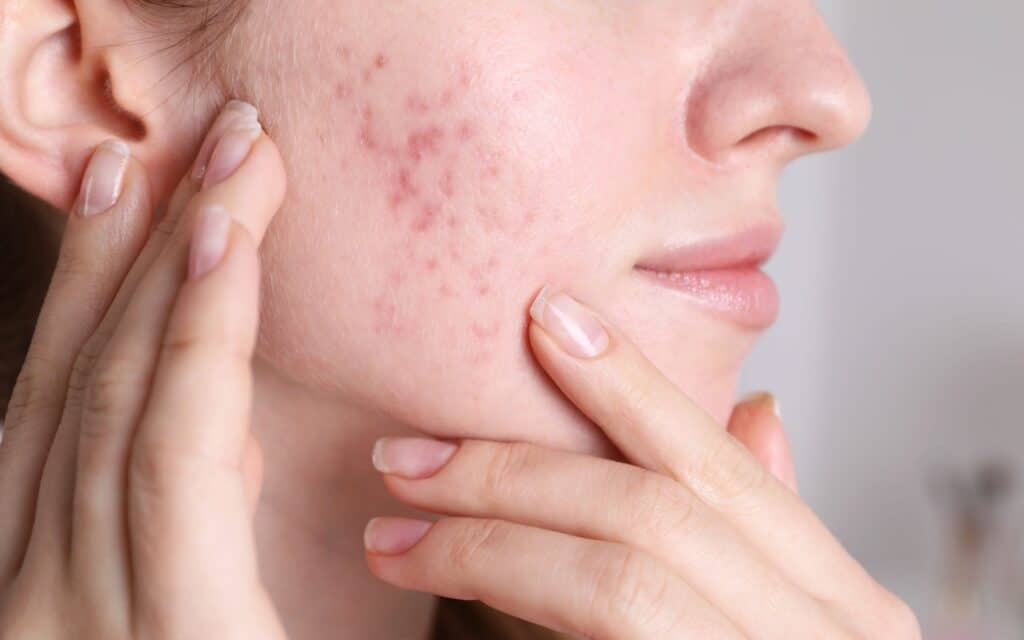
Scars are a natural part of the skin’s healing process, but they can often leave you feeling self-conscious. Whether it’s a result of an injury, surgery, or acne, understanding scar healing is essential for promoting skin health. You might be surprised to learn that the way your skin heals can be influenced by various factors, from your diet to your skincare routine.
Understanding Scar Healing
Understanding scar healing involves recognizing the natural processes of the skin as it repairs itself. Scar formation is essential for skin health, and various factors influence the outcome.
The Biological Process of Scar Formation
The biological process of scar formation begins with injury to the skin. When skin cells are damaged, the body initiates a healing response. Blood vessels constrict, and a clot forms to stop bleeding. Following this, inflammatory cells clear debris and bacteria. In the next phase, new connective tissue, mainly collagen, forms to replace the damaged skin. This tissue is initially disorganized and appears red or raised. Over time, the collagen matures and remodels, creating a flatter, lighter scar.
Factors Influencing Scar Healing
Several factors influence scar healing, including:
- Age: Younger skin tends to heal more quickly due to higher cellular activity.
- Diet: A nutritious diet rich in vitamins and minerals supports collagen synthesis, aiding skin repair.
- Skin Type: Oily or dry skin can impact healing rates and scar quality.
- Genetics: Family history may determine scar formation tendencies, affecting hypertrophic or keloid scars.
- Infection: Infections delay healing and can worsen scar appearance.
- Sun Exposure: UV rays can darken scars, making them more noticeable.
- Hydration: Well-hydrated skin promotes optimal healing and reduces scar formation.
By understanding these factors, you can enhance your skin’s healing process and improve scar outcomes.
Types of Scars
Scars vary based on their appearance and formation. Understanding the different types of scars can aid in selecting appropriate treatment options for optimal healing.
Hypertrophic Scars
Hypertrophic scars appear raised or thickened and develop due to excessive collagen formation during the healing process. These scars typically remain within the boundaries of the original wound. Hypertrophic scars often improve over time but may benefit from treatments like silicone gel sheets or corticosteroid injections to reduce their prominence.
Keloid Scars
Keloid scars extend beyond the original wound and can be larger than the initial injury. These scars result from an overproduction of collagen and can occur on any part of the body. Keloids may be itchy or painful and require medical interventions such as corticosteroids, laser therapy, or surgical removal for effective management.
Atrophic Scars
Atrophic scars present as depressed or sunken areas in the skin. These scars commonly occur after acne, chickenpox, or surgical incisions. Atrophic scars require treatments like dermal fillers, microdermabrasion, or laser resurfacing to restore skin texture.
Methods for Improving Scar Healing
You can enhance scar healing using various methods, including topical treatments and surgical options. Each method targets specific scar types and healing needs.
Topical Treatments
Topical treatments play a significant role in improving scar appearance and healing time. Options include:
- Silicone Gel Sheets: These sheets create a protective barrier, keeping the scar environment hydrated to promote healing.
- Hydrogel: Hydrogel helps maintain moisture, which aids in softening and flattening scars.
- Topical Silicone Creams: Applying silicone-based creams daily can reduce scar visibility and improve texture.
- Vitamin E Oil: This oil may help soften scars and improve skin texture, although research shows mixed results.
- Corticosteroid Creams: For raised scars like hypertrophic scars, corticosteroids can reduce inflammation and flatten the scar.
Surgical Options
- Scar Revision Surgery: This surgery removes the scar tissue and closes the wound with minimal tension, resulting in a less noticeable scar.
- Laser Therapy: Laser treatments can resurface the skin, reducing scar visibility by promoting new skin growth.
- Microdermabrasion: This non-invasive procedure exfoliates the outermost skin layer, enhancing skin texture and reducing scar appearance.
- Chemical Peels: Chemical solutions remove dead skin cells, improving the overall tone and texture of the skin, including scars.
- Dermal Fillers: Fillers can be injected into atrophic scars to elevate depressed areas, creating a smoother skin surface.
Lifestyle Tips for Optimal Scar Healing
To promote optimal scar healing, adapt your lifestyle by focusing on nutrition, hydration, and sun protection. Implementing these tips can significantly enhance your skin’s recovery process.
Nutrition and Hydration
Focus on a balanced diet rich in vitamins and minerals to support scar healing. Include fruits and vegetables high in antioxidants, such as berries, spinach, and carrots. Incorporate protein sources like lean meats, eggs, and legumes to foster tissue repair. Choose healthy fats from avocados, nuts, and olive oil to maintain skin elasticity.
Stay hydrated by drinking at least eight 8-ounce glasses of water daily. Hydration aids in maintaining skin moisture and improves the elasticity and appearance of scars. Herbal teas and water-rich fruits like cucumbers and watermelon can also contribute to your hydration goals.
Sun Protection
Protecting scars from sun exposure accelerates healing and prevents discoloration. Apply a broad-spectrum sunscreen with at least SPF 30 daily, even on cloudy days. Use sunscreen for at least six months after injury as scars are more susceptible to UV damage, leading to darker pigmentation.
Wear protective clothing and seek shade during peak sun hours from 10 AM to 4 PM. Reapply sunscreen every two hours, especially after swimming or sweating, to ensure continued protection. Using clothing with UPF (Ultraviolet Protection Factor) can also help shield your skin from damaging rays.
Conclusion
Scar healing is a journey that requires patience and care. By understanding the factors that influence healing and taking proactive steps, you can improve your skin’s recovery process. Prioritize a balanced diet hydration and sun protection to support your skin’s natural healing abilities.
Explore various treatment options tailored to your scar type and consider both topical and surgical interventions as needed. Remember that each person’s skin is unique so what works for one may not work for another. Staying informed and proactive can lead to better outcomes and boost your confidence in your skin’s appearance. Embrace the healing process and take charge of your skin’s health.