
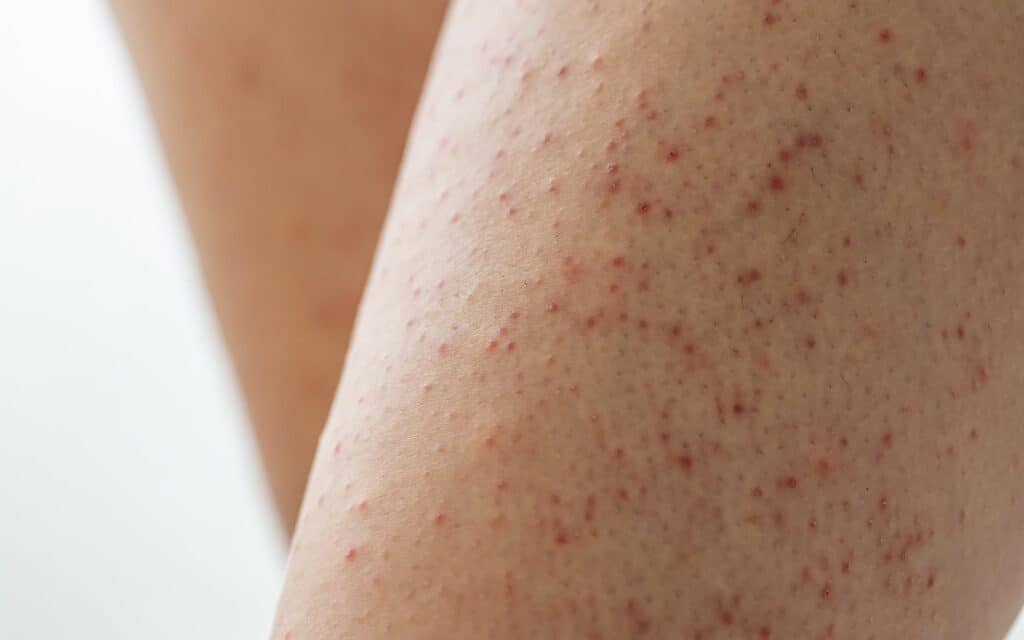
Welcome to The Derm Spot, your trusted source for dermatology and skin care advice. Have you ever looked in the mirror and wished for smoother, more radiant skin? You’re not alone—many struggle with the texture and appearance of strawberry skin, a condition characterized by small, dark spots that can affect your confidence.
Overview of Strawberry Skin Treatment
Strawberry skin, characterized by small, dark pores that resemble the surface of a strawberry, often results from hair follicles, enlarged pores, or a combination of factors. Many individuals experience this condition, which can affect self-esteem. Understanding the causes, symptoms, and treatment options is essential for effective management.
Causes and Risk Factors
- Genetics: A family history of strawberry skin may increase your likelihood of developing it.
- Hormonal Changes: Fluctuations in hormone levels can impact skin texture.
- Poor Skin Hygiene: Inadequate cleansing may lead to clogged pores.
Signs and Symptoms
- Dark spots on the skin’s surface.
- Rough or bumpy texture, especially on areas like thighs and buttocks.
Prevention Methods
- Exfoliate regularly to remove dead skin cells.
- Maintain proper hydration to keep skin soft and supple.
- Wear loose-fitting clothing to minimize irritation.
Treatment Options
Conventional Treatments
- Topical Retinoids: Promote cell turnover and reduce pore appearance.
- Chemical Peels: Improve skin texture and minimize dark spots.
Alternative Approaches
- Natural Remedies: Use ingredients like aloe vera or tea tree oil for their soothing properties.
- Home Exfoliants: Mix sugar or coffee grounds with coconut oil for a natural scrub.
Daily Care Tips
- Cleanse your skin daily with a gentle exfoliating cleanser.
- Moisturize to maintain skin hydration.
- Apply sunscreen to protect against UV damage.
When to Seek Professional Advice
Contact a dermatologist if your strawberry skin worsens or does not improve with home care. Professional treatments, like laser therapy, may be suitable for persistent cases. For more information on dermatological conditions, visit The Derm Spot’s dermatology section.
Natural Remedies for Strawberry Skin
Natural remedies can significantly improve the appearance of strawberry skin, addressing dark spots and rough texture effectively. These treatments often utilize common ingredients known for their skin benefits, making them accessible for everyday use.
Home Remedies
- Sugar Scrub: Combine sugar and coconut oil to create a gentle exfoliant. Exfoliate 2-3 times a week to remove dead skin cells and promote smoother skin.
- Aloe Vera Gel: Apply fresh aloe vera gel directly to the affected areas. Its soothing properties can reduce inflammation and improve skin texture.
- Lemon Juice and Honey: Mix equal parts lemon juice and honey. Apply it as a mask once a week. Lemon’s natural acids brighten dark spots while honey moisturizes.
- Baking Soda Paste: Mix baking soda and water into a paste. Gently massage it on the skin once a week to help unclog pores and clear roughness.
Essential Oils and Their Benefits
Essential oils can enhance skin health and help treat strawberry skin. Consider:
- Tea Tree Oil: Known for its antibacterial properties, tea tree oil helps clear any potential infections. Dilute with a carrier oil before applying.
- Lavender Oil: Use lavender oil for its anti-inflammatory and soothing effects. Mix with a carrier oil and apply it nightly.
- Rosemary Oil: This oil improves blood circulation and can firm your skin. Add a few drops to your moisturizer for daily use.
Daily Care Tips
- Hydration: Drink at least 8 glasses of water daily to keep your skin hydrated.
- Gentle Cleansing: Use a mild cleanser to maintain skin balance without over-drying.
- Avoid Tight Clothing: Loose-fitting clothing minimizes friction, reducing the risk of irritation.
When to Seek Professional Advice
Consult a dermatologist if natural remedies yield no improvement within a month. Professional treatments might include chemical peels, microneedling, or laser therapy for persistent cases. For additional information on skin health, visit The Derm Spot’s dermatology section or explore skincare ingredients.
Medical Procedures for Strawberry Skin
Strawberry skin treatment can include various medical procedures that effectively diminish dark spots and rough skin texture. These procedures often provide quicker results compared to home remedies or natural treatments.
Popular Treatments
1. Chemical Peels
Chemical peels apply a solution to exfoliate the top layers of skin, promoting cell turnover and reducing dark spots. Multiple sessions may boost effectiveness.
2. Microneedling
Microneedling involves using fine needles to create tiny punctures in the skin, stimulating collagen and elastin production. This procedure can improve overall skin texture and tone.
3. Laser Therapy
Laser therapy targets pigmented lesions, effectively reducing dark spots while promoting fresh skin growth. The number of sessions varies based on individual needs.
4. Topical Prescription Medications
Dermatologists may prescribe stronger topical retinoids or hydroquinone for persistent cases. These prescriptions can effectively lighten dark spots and improve skin texture.
5. Cryotherapy
Cryotherapy uses extreme cold to freeze and eliminate pigmented lesions, providing a non-invasive option for spot removal.
Latest Innovations in 2025
Emerging technologies and innovative treatments are enhancing options for treating strawberry skin. In 2025, some notable developments include:
- Advanced Laser Technologies
New laser treatments utilize fractional technology, allowing for precise targeting of skin issues with less downtime.
- Biologic Treatments
Biologics focus on modifying the immune response, which can help manage conditions leading to skin unevenness or pigmented spots.
- Customized Skincare Formulations
Personalized skincare solutions based on genetic testing allow dermatologists to recommend specific ingredients that target individual skin concerns effectively.
- Radiofrequency Devices
These devices use heat to stimulate collagen production while reducing pigmentation, enhancing skin smoothness.
Maintaining optimal skin health is crucial. If natural remedies or over-the-counter products don’t produce results within a month, consulting a dermatologist is recommended for tailored advice on medical procedures. For more information on dermatological treatments, explore The Derm Spot’s dermatology section.
Maintaining Flawless Skin Post-Treatment
Maintaining flawless skin after treatment for strawberry skin requires consistent care and attention. Skin can be sensitive following procedures such as chemical peels or laser therapy, making it essential to adopt a targeted skincare regimen.
Causes and Risk Factors
Some factors that contribute to compromised skin include:
- Genetics: Family history may increase susceptibility.
- Hormonal Changes: Fluctuations can exacerbate skin texture.
- Sun Exposure: UV rays can cause damage and dark spots.
Signs and Symptoms
Watch for the following reactions post-treatment:
- Redness and Inflammation: Common after procedures, indicating sensitivity.
- Dryness or Peeling: Indicates healing, but can affect appearance.
- Increased Sensitivity: Skin may react strongly to products or the environment.
Prevention Methods
To prevent complications post-treatment, consider these methods:
- Avoid Sun Exposure: Use broad-spectrum sunscreen with at least SPF 30.
- Stay Hydrated: Drink sufficient water to maintain skin elasticity.
- Gentle Cleansing: Use mild, non-irritating cleansers to avoid stripping moisture.
Treatment Options
Continue to incorporate effective treatments to support skin health:
- Moisturizers: Use hydrating formulas, ideally those containing hyaluronic acid.
- Topical Serums: Incorporate vitamin C serums for brightening effects.
- Gradual Ex exfoliation: Use gentle exfoliants like alpha hydroxy acids (AHAs) to enhance texture without irritation.
Daily Care Tips
Follow these daily care tips to maintain skin’s appearance:
- Clean: Wash face twice daily with a gentle cleanser.
- Moisturize: Apply a suitable moisturizer immediately after cleansing.
- Sunscreen: Reapply sunscreen every two hours during sun exposure.
When to Seek Professional Advice
Reach out to a dermatologist if you experience:
- Prolonged Redness or Swelling: Lasting more than a few days.
- Severe Dryness or Cracking: Indicating a potential allergic reaction.
- Persistent Brown Spots: That do not fade with proper care.
For more details about skin maintenance or addressing complications, explore The Derm Spot’s dermatology section and skin health resources.
Conclusion
Achieving flawless skin in 2025 is within your reach. By understanding the causes of strawberry skin and exploring both natural remedies and medical treatments, you can take charge of your skin health. Remember that daily care is essential in maintaining results and preventing future issues.
Stay consistent with your skincare routine and don’t hesitate to seek professional advice when needed. With the right approach and resources like The Derm Spot, you can confidently embrace your skin and enhance your natural beauty.
Frequently Asked Questions
What is strawberry skin?
Strawberry skin refers to the appearance of small, dark spots on the skin, usually on the thighs and buttocks. These spots can give the skin a rough texture, resembling the surface of a strawberry. The condition can impact self-esteem and is often caused by genetics, hormonal changes, or poor skin hygiene.
What causes strawberry skin?
The primary causes of strawberry skin include genetics, hormonal fluctuations, and inadequate skincare routines. Factors such as friction from tight clothing and lack of exfoliation can worsen the appearance of dark spots and rough texture on the skin.
How can I prevent strawberry skin?
To prevent strawberry skin, regularly exfoliate your skin, stay properly hydrated, and wear loose-fitting clothing. Maintaining good skin hygiene by cleansing and moisturizing daily can also help keep your skin smooth and free from dark spots.
What treatments are available for strawberry skin?
Common treatments for strawberry skin include topical retinoids, chemical peels, and home remedies like sugar scrubs and aloe vera gel. For more severe cases, professional options such as laser therapy and microneedling can provide quicker, effective results.
Are there natural remedies for strawberry skin?
Yes, natural remedies for strawberry skin include sugar scrubs, lemon juice with honey masks, and baking soda paste. Essential oils like tea tree and lavender can also enhance skin health and improve the overall appearance of affected areas.
How can I care for my skin after treatment?
Post-treatment skin requires a gentle skincare regimen. Focus on sun protection, hydration, and mild cleansing. Use moisturizers and topical serums to maintain skin health and address any sensitivity or dryness.
When should I see a dermatologist?
Consult a dermatologist if you experience prolonged redness, severe dryness, or persistent brown spots after treatment. They can provide professional advice and tailored solutions for any ongoing skin issues.