
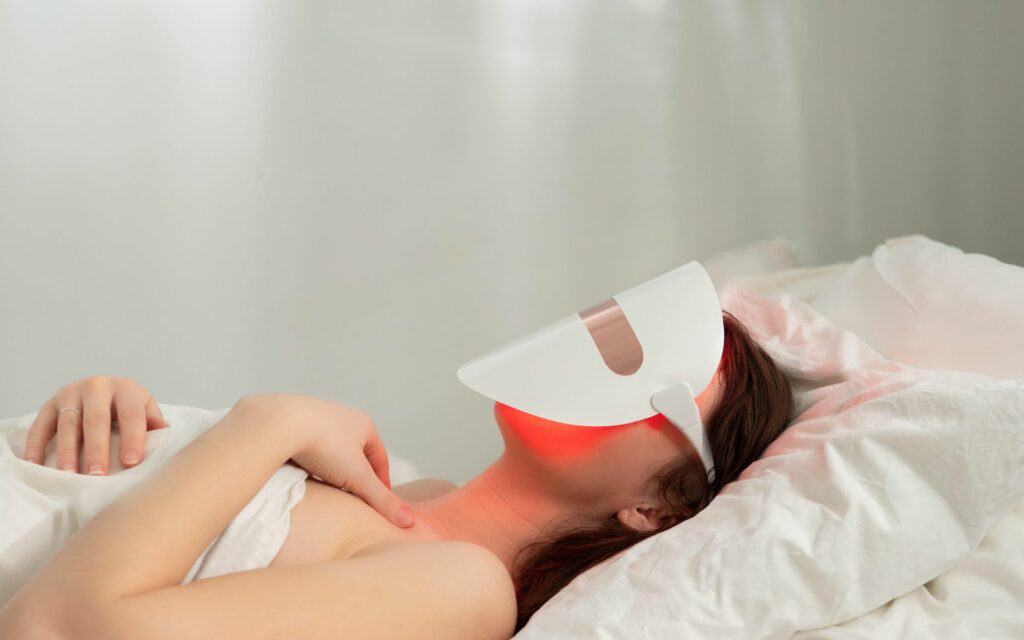
Welcome to The Derm Spot, your trusted source for dermatology and skin care advice. Have you ever wondered why your favorite influencers swear by LED face mask light therapy? This innovative treatment is transforming skincare routines, promising clearer skin and a youthful glow.
Overview of LED Face Mask Light Therapy
LED face mask light therapy is a dermatological treatment combining light wavelengths to improve skin health. This therapy has gained traction, especially for its potential benefits in treating various skin concerns.
What Is LED Face Mask Light Therapy?
LED face mask light therapy involves using a mask equipped with light-emitting diodes that emit specific colors of light. Each color targets different skin issues. For example, red light promotes collagen production, blue light helps reduce acne-causing bacteria, and green light helps with pigmentation.
Benefits of LED Face Mask Light Therapy
LED face mask light therapy offers several advantages for skin health, including:
- Reduces acne: Blue light therapy effectively minimizes acne breakouts by targeting bacteria.
- Enhances skin tone: Green light helps even out pigmentation and reduces blemishes.
- Stimulates collagen: Red light promotes collagen synthesis, improving elasticity and reducing signs of aging.
- Soothes inflammation: Certain wavelengths calm irritated skin, making it beneficial for conditions like rosacea.
Incorporating LED face mask light therapy into your skincare routine can help manage these common skin issues while promoting overall skin vitality.
Types of LED Light Used in Therapy
Various types of LED light are employed in therapy, each targeting specific skin issues for effective treatment. The most common colors used include red, blue, and green, each with distinct benefits for skin and hair health.
Red Light Therapy
Red light therapy uses wavelengths between 600-650 nm. This light penetrates the skin, promoting collagen production and improving skin elasticity.
Benefits:
- Encourages skin healing and rejuvenation
- Reduces fine lines and wrinkles
- Minimizes inflammation
Usage Tips:
- Use on clean skin for better absorption
- Apply in sessions of 10-20 minutes, 2-3 times a week
Blue Light Therapy
Blue light therapy operates in the 405-420 nm wavelength range. This light effectively targets acne-causing bacteria, reducing breakouts and preventing new acne lesions.
Benefits:
- Kills acne bacteria, resulting in fewer breakouts
- Decreases oil production to minimize clogged pores
- Soothes inflammation associated with acne
Usage Tips:
- Apply directly to affected areas for targeted treatment
- Sessions should last about 15-30 minutes, 2-3 times weekly
Green Light Therapy
Green light therapy utilizes wavelengths of 525-550 nm, focusing on pigmentation issues like dark spots and uneven skin tone.
Benefits:
- Lightens hyperpigmentation and dark spots
- Balances melanin production for a more even complexion
- Reduces redness and inflammation
Usage Tips:
- Combine with other therapies for comprehensive treatment
- Sessions can range from 15-30 minutes, 2-3 times a week
Incorporating LED light therapy into your skincare routine can significantly improve skin health. For more information on dermatology and skin treatments, visit The Derm Spot’s dermatology section or explore options for skin health here.
Technological Advances in 2025
In 2025, LED face mask light therapy features significant technological advances aimed at enhancing skin health. Innovations focus on improved user experience and treatment effectiveness.
Enhanced Features and Functionality
- Adjustable Intensity Levels: Masks now allow customization of light intensity, enabling tailored treatments based on skin sensitivity.
- Multi-Wavelength Capabilities: Advanced masks combine multiple wavelengths in a single session, addressing diverse skin issues simultaneously.
- Skin Sensors: Integrated sensors assess skin condition, optimizing light wavelengths for maximum efficacy.
- Automated Timing: Smart timers ensure users receive the recommended session duration without needing to watch the clock.
Integration with Smart Technology
- Mobile App Connectivity: Many LED masks sync with smartphone applications, allowing users to track treatment progress and customize settings.
- AI-Powered Recommendations: Apps analyze skin data and provide personalized treatment plans based on skin type, concerns, and results.
- Remote Access for Dermatologists: Some devices enable dermatologists to monitor treatment remotely, offering professional guidance and adjustments as needed.
These technological advances contribute to a more effective and user-friendly approach to LED face mask light therapy, promoting better skin health outcomes. For further insights on dermatology and skin treatments, visit The Derm Spot’s dermatology section.
Safety and Effectiveness
LED face mask light therapy ranks highly for safety and effectiveness in skin treatment. The therapy’s non-invasive nature makes it suitable for various skin types, with minimal risk of adverse effects when used correctly.
Potential Side Effects
- Skin Irritation: Some users might experience mild redness or irritation post-treatment.
- Photosensitivity: Increased sensitivity to light occurs in rare cases, especially if prone to certain skin conditions.
- Temporary Discomfort: You may feel slight warmth from the mask during use, which typically subsides afterward.
Although side effects are uncommon, awareness of individual skin tolerance is essential. If symptoms persist, seeking professional advice is advisable. To learn more about managing skin sensitivity, visit The Derm Spot’s dermatology section.
User Guidelines
To maximize the benefits of LED face mask light therapy, follow these guidelines:
- Prep Your Skin: Cleanse your face thoroughly before use. Ensuring a clean surface allows for better light penetration and effectiveness.
- Choose the Right Setting: Select the color and intensity based on your skin concerns. Red light stimulates collagen production, blue light targets acne, and green light diminishes pigmentation.
- Timing Matters: Limit sessions to 10-20 minutes, 3-5 times a week for optimal results.
- Hydrate Post-Treatment: Apply a moisturizer to keep your skin hydrated and enhance the soothing effects of the therapy.
Monitoring your skin’s response is crucial. If you notice excessive irritation or do not see desired results after consistent use, consult a dermatologist. For personalized skincare advice, explore The Derm Spot’s skin health category.
Conclusion
LED face mask light therapy is revolutionizing skincare in 2025. By harnessing the power of different light wavelengths you can address various skin concerns effectively. Whether you’re looking to boost collagen production or reduce acne it’s clear that this non-invasive treatment offers significant benefits.
As technology advances you’ll find more customizable options that cater to your unique skin needs. With features like adjustable intensity levels and mobile app connectivity you can enhance your skincare routine like never before.
Remember to prioritize safety and monitor your skin’s response to achieve the best results. Embracing LED therapy could be your next step toward healthier and more vibrant skin.
Frequently Asked Questions
What are the benefits of LED face masks?
LED face masks offer various benefits, including clearer skin, reduced acne, improved collagen production, and minimized pigmentation issues, depending on the specific light wavelength used.
How does red light therapy work?
Red light therapy promotes collagen production, reduces inflammation, and encourages skin healing. It’s particularly effective for diminishing fine lines and improving overall skin texture.
What does blue light therapy target?
Blue light therapy targets acne-causing bacteria, lowers oil production, and alleviates inflammation, making it beneficial for individuals struggling with acne-prone skin.
What issues does green light therapy address?
Green light therapy focuses on pigmentation issues, helping to lighten dark spots and balance melanin production for a more even skin tone.
How often should I use an LED face mask?
It’s recommended to use an LED face mask 2-3 times a week, but specific frequency may vary based on individual skin concerns and device instructions.
Are there any side effects of LED face mask therapy?
Possible side effects include mild skin irritation, photosensitivity, and temporary discomfort. Always monitor your skin’s response and consult a dermatologist if irritation persists.
How can I enhance the effectiveness of LED therapy?
To maximize benefits, prep your skin properly, choose the appropriate light setting, time sessions correctly, and hydrate post-treatment. Regular monitoring of your skin’s response is essential.
Can I connect my LED mask to a mobile app?
Yes, many modern LED masks can connect to mobile apps, allowing users to track treatment progress and receive tailored recommendations based on their skin type and concerns.
Where can I learn more about dermatology and skin treatments?
For more information on dermatology and skin treatments, visit The Derm Spot’s dermatology section, which offers a wealth of resources and expert advice.