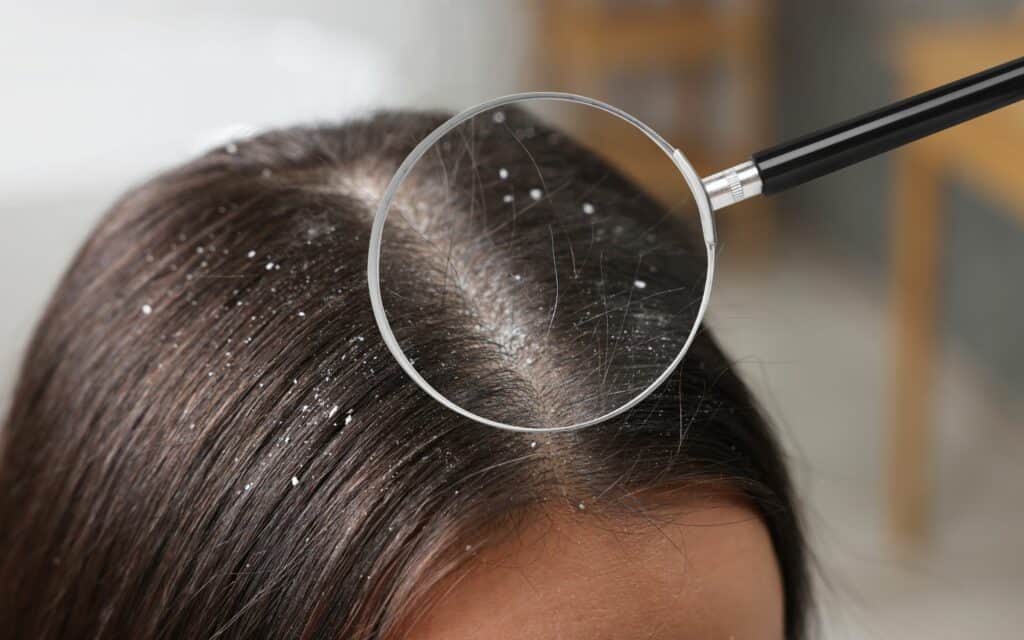
Welcome to The Derm Spot, your trusted source for dermatology and skin care advice. If you’ve ever caught yourself brushing off tiny white flakes from your shoulders you’re not alone. Flaky scalp can be frustrating and embarrassing but understanding why it happens is the first step to finding relief.
In this article you’ll discover common causes behind a flaky scalp including dryness dandruff and scalp psoriasis. Knowing what triggers your scalp issues helps you choose the right treatments and avoid worsening symptoms. Let’s dive into why your scalp feels flaky and how you can restore a healthy comfortable scalp.
Understanding Scalp Flakiness
Scalp flakiness often signals underlying issues with your skin and hair health. Recognizing the causes of scalp flakes helps you target your treatment and daily care effectively.
Common Causes of a Flaky Scalp
Flaky scalp results from several conditions affecting the skin barrier and oil balance of your scalp:
- Dry Skin
Lack of moisture causes tightness and small flakes that resemble fine dry dust. Harsh shampoos and cold weather increase dryness risk.
- Dandruff (Seborrheic Dermatitis)
Overgrowth of Malassezia yeast triggers inflammation and greasy, white to yellow flakes. This condition often appears with scalp redness and itching.
- Psoriasis
This autoimmune skin disorder speeds up skin cell production, causing thick, silvery scales and patches that may extend beyond the scalp.
- Eczema (Atopic Dermatitis)
Inflamed, itchy scalp with red patches and flaky skin. Triggers include allergens, irritants, and stress.
- Product Buildup
Residue from styling products or infrequent washing can irritate your scalp and cause flakes.
- Fungal or Bacterial Infections
Infections disrupt scalp balance, leading to flakiness, redness, and sometimes hair thinning.
How Scalp Flakiness Affects Hair and Skin
Scalp flakiness impacts both your skin and hair health due to inflammation, barrier disruption, and hygiene issues:
- Hair Quality
Excessive flakes and sebum buildup can clog hair follicles, weakening hair strands and contributing to breakage or hair loss.
- Scalp Skin Integrity
Chronic flaking compromises the scalp’s protective barrier, increasing susceptibility to irritants and infections.
- Itching and Discomfort
Persistent itch leads to scratching that damages the scalp surface and worsens flakiness, creating a vicious cycle.
- Emotional Impact
Visible flakes affect confidence and social comfort, emphasizing the importance of proper scalp care.
Prevention Methods
You can reduce scalp flakiness by:
- Using gentle, sulfate-free shampoos tailored for dry or sensitive skin.
- Washing hair regularly but avoiding over-washing to preserve natural oils.
- Applying moisturizing scalp treatments containing ingredients like niacinamide or ceramides.
- Minimizing heat styling and chemical treatments that damage scalp skin.
- Managing stress through relaxation techniques as it triggers many scalp conditions.
- Avoiding irritants like harsh hair dyes or fragrances.
Treatment Options
Addressing flaky scalp depends on the specific cause:
| Condition | Conventional Treatments | Alternative Approaches |
|---|---|---|
| Dry Skin | Moisturizing shampoos and scalp oils | Aloe vera, coconut oil |
| Dandruff (Seborrheic Dermatitis) | Antifungal shampoos with ketoconazole or selenium sulfide | Tea tree oil, apple cider vinegar |
| Psoriasis | Topical corticosteroids, Vitamin D analogs | Dead Sea salt baths, oatmeal masks |
| Eczema | Corticosteroid creams, antihistamines | Calendula extracts, chamomile |
| Infections | Antifungal or antibiotic medications | Probiotic scalp treatments |
Practical Daily Care Tips
Integrate these habits to maintain scalp health and reduce flakes:
- Massage your scalp during shampooing to improve circulation.
- Rinse with lukewarm water to avoid drying out skin.
- Avoid tight hairstyles that stress scalp skin.
- Use a humidifier in dry environments to maintain moisture.
- Follow product instructions and rotate shampoos if needed.
When to Seek Professional Advice
Consult a dermatologist if your scalp flakes fail to improve after 2–4 weeks of treatment or if you experience:
- Severe redness, swelling, or pain.
- Large patches of scaling or bleeding.
- Hair loss or patchy bald spots.
- Symptoms spreading beyond the scalp.
A dermatologist can diagnose underlying conditions and recommend prescription treatments. For more detailed insights on scalp and skin health, visit our dermatology and skin health sections.
Keywords: flaky scalp, scalp dryness, dandruff treatment, scalp psoriasis, scalp care tips
Medical Conditions That Cause Flaky Scalp
Flaky scalp often points to underlying medical conditions affecting your skin or hair health. Understanding these conditions helps you identify symptoms, manage triggers, and choose proper treatments. The following subheadings cover common medical causes responsible for scalp flakiness.
Dandruff and Seborrheic Dermatitis
Dandruff, also known as seborrheic dermatitis, occurs due to inflammation of the scalp’s oil-producing glands. It causes white or yellowish flakes, itchiness, and redness. Excessive growth of Malassezia yeast on your scalp triggers this condition. Risk factors include oily skin, stress, hormonal changes, and cold, dry weather.
Signs and symptoms:
- Fine white or yellow flakes on hair and shoulders
- Itchy, greasy scalp with possible redness
- Scaling and mild inflammation
Prevention and daily care:
- Use gentle, anti-dandruff shampoos containing zinc pyrithione, ketoconazole, or selenium sulfide
- Wash hair regularly but avoid over-washing to prevent scalp dryness
- Manage stress through relaxation techniques
Treatment options:
| Treatment Type | Description | Examples |
|---|---|---|
| Conventional | Medicated shampoos and topical antifungal agents | Ketoconazole shampoo, coal tar products |
| Alternative | Tea tree oil, aloe vera gels to soothe irritation | Essential oil scalp treatments |
| Maintenance | Regular scalp cleansing and moisturizing | Sulfate-free shampoos, scalp moisturizers |
Seek professional advice if flakes persist after 4-6 weeks of treatment, or if scalp irritation worsens. Proper diagnosis from a dermatologist ensures targeted therapy and avoids mismanagement. For more on scalp treatments, check out our hair health category.
Psoriasis and Eczema
Psoriasis and eczema are chronic inflammatory skin conditions frequently affecting the scalp, resulting in flakiness and discomfort.
Psoriasis: Characterized by rapid skin cell turnover, it forms thick, silvery scales with red patches. It’s an autoimmune disorder, often linked to genetic factors and triggers like infections, cold weather, or stress.
Eczema (Atopic Dermatitis): Manifests as dry, itchy, inflamed skin. Eczema causes vary, including allergies, irritants, or immune system dysfunction.
Signs and symptoms common to scalp psoriasis and eczema:
- Raised, thick, and scaly red patches
- Persistent itchiness causing discomfort
- Hair shedding in severe cases due to inflammation
Prevention and daily care:
- Avoid harsh shampoos and styling products that irritate skin
- Maintain scalp hydration using non-comedogenic moisturizers
- Manage triggers such as allergens, stress, and extreme temperatures
Treatment options:
| Treatment Type | Description | Examples |
|---|---|---|
| Conventional | Topical corticosteroids and vitamin D analogs | Clobetasol, calcipotriene creams |
| Phototherapy | Controlled UV light exposure | UVB therapy prescribed by dermatologists |
| Alternative | Natural oils, oatmeal-based shampoos | Coconut oil, colloidal oatmeal treatments |
Consult a dermatologist when scalp lesions worsen, spread, or cause significant hair loss. Persistent symptoms require diagnosis to rule out secondary infections or other scalp disorders. Explore our dermatology category for comprehensive skin condition insights.
Fungal Infections
Fungal scalp infections, especially tinea capitis (ringworm of the scalp), cause flaky, itchy patches that may lead to hair loss if untreated. These infections originate from dermatophyte fungi thriving in warm, moist environments.
Causes and risk factors:
- Close contact with infected individuals or animals
- Poor hygiene or sharing contaminated hair accessories
- Weakened immune system conditions
Signs and symptoms:
- Round, scaly patches of scalp with broken hairs
- Redness, inflammation, and sometimes pus-filled sores
- Intense itchiness and tenderness
Prevention and daily care:
- Avoid sharing combs, hats, or towels
- Keep scalp clean and dry
- Treat pets for fungal infections promptly
Treatment options:
| Treatment Type | Description | Examples |
|---|---|---|
| Conventional | Oral antifungal medications | Griseofulvin, terbinafine |
| Topical | Antifungal shampoos and creams | Ketoconazole shampoo, ciclopirox cream |
| Supportive care | Gentle scalp cleansing and moisturizing | Sulfate-free shampoos, scalp soothing gels |
Immediate consultation with a healthcare provider is critical if you notice patches of hair loss or scalp inflammation. Early treatment prevents spread and permanent hair damage. For additional scalp infection information, visit our skin health category.
Related terms: scalp irritation, itchy scalp, scalp dryness, scalp inflammation, hair loss causes.
Lifestyle and Environmental Factors
Flaky scalp often links to lifestyle and environmental factors that impact your skin and hair health. These triggers contribute to dryness, irritation, or inflammation, making flakes more noticeable and persistent.
Impact of Diet and Hydration
Your scalp’s condition mirrors your overall nutrition and water intake. Poor diet and dehydration worsen dryness, irritation, and flakiness.
- Nutritional deficiencies: Lack of essential fatty acids, zinc, vitamin D, and B vitamins diminishes scalp moisture and skin barrier repair. This depletion leads to dryness and increased flaking.
- Excess sugar and processed foods: Inflammatory foods cause skin inflammation and can aggravate conditions like seborrheic dermatitis or psoriasis.
- Optimal hydration: Drinking enough water maintains scalp hydration, improving skin elasticity and reducing dry flakes.
Prevention and care tips:
- Increase consumption of omega-3 rich foods, nuts, leafy greens, and fresh fruits to support scalp health.
- Reduce intake of sugary snacks and fried foods that trigger inflammation.
- Maintain daily water intake at 2 to 3 liters to keep scalp cells hydrated.
Incorporating nutrition-focused articles under Skin Health further helps you understand diet’s impact on scalp conditions.
Effects of Weather and Pollution
Environmental elements like weather fluctuations and air pollution significantly affect your scalp’s moisture balance and overall condition.
- Cold, dry air in winter strips natural oils, causing scalp dryness and flaking.
- Hot, humid climates increase sweat and sebum production, which can exacerbate dandruff or seborrheic dermatitis.
- Pollutants and toxins: Exposure to chemicals, dust, and smog leads to scalp irritation and clogged follicles, increasing flakiness and itchiness.
Prevention and care tips:
- Use gentle, moisturizing shampoos formulated for dry or sensitive scalps.
- Limit outdoor exposure during high pollution periods; rinse hair promptly after being outside to remove contaminants.
- Use humidifiers indoors during dry months to retain moisture in your scalp skin.
Learn more about protecting your scalp against environmental stressors in our Dermatology section.
Hair Care Habits That Worsen Flakiness
Unhealthy hair care routines irritate the scalp, worsen dryness, and promote flaky buildup. Recognizing these habits helps you modify daily practices to improve scalp health.
- Over-washing: Excessive shampooing removes natural oils, leading to dry scalp and increased flaking.
- Harsh shampoos and chemicals: Products containing sulfates, parabens, or alcohol cause irritation and strip moisture.
- Hot water and excessive heat styling damage scalp skin barrier, exacerbating dryness and flakiness.
- Skipping scalp cleansing allows product buildup and dead skin accumulation, worsening flakes and itch.
Prevention and care tips:
- Wash hair 2 to 3 times weekly using sulfate-free, gentle shampoos suited for sensitive scalp skin.
- Use lukewarm water for washing instead of hot water to preserve moisture.
- Limit heat-styling tools and apply heat protectants when necessary.
- Incorporate regular scalp exfoliation to remove buildup and improve skin turnover.
Explore scalp-friendly product recommendations on our Hair Health blog category.
Table: Key Lifestyle and Environmental Factors Affecting Scalp Flakiness
| Factor | Impact on Scalp | Prevention Methods | Related Terms |
|---|---|---|---|
| Poor diet & hydration | Dry, inflamed scalp; impaired skin barrier | Consume omega-3, vitamins; increase water intake. | Dry scalp, inflammation, nutrition |
| Weather & pollution | Moisture loss or excess oiliness; irritation | Use moisturizing shampoos; rinse after exposure; humidify. | Seborrheic dermatitis, dryness |
| Hair care habits | Stripped oils; product buildup; scalp damage | Use gentle shampoos; regulate washing frequency; avoid heat. | Sulfate-free, scalp exfoliation |
When to Seek Professional Advice
If lifestyle and environmental adjustments don’t reduce scalp flakiness within 2 to 4 weeks, consult a dermatologist. Persistent flakes with symptoms such as:
- Severe itching or redness
- Thick, yellow or oily scales
- Hair loss or scalp soreness
need professional evaluation, possibly involving treatments like medicated shampoos, topical corticosteroids, or antifungal agents.
Visit the Dermatology section for expert guidance on scalp conditions and available treatment options.
By addressing lifestyle and environmental factors alongside medical care, you ensure a healthier scalp and reduce annoying flakiness effectively.
Treatment and Prevention Tips
Effective treatment and prevention help control flaky scalp and improve your scalp’s overall health. Understanding proper care supports long-term relief and minimizes recurrence.
Choosing the Right Shampoo and Conditioner
Selecting appropriate hair care products targets the underlying causes of scalp flakiness, including dryness, dandruff, and inflammation.
- Opt for medicated shampoos containing active ingredients like ketoconazole, zinc pyrithione, selenium sulfide, or coal tar to reduce dandruff and fungal growth.
- Use sulfate-free shampoos to avoid stripping natural oils, which helps preserve scalp moisture and prevent dryness.
- Choose products with moisturizing agents such as glycerin, aloe vera, or tea tree oil to soothe irritation and enhance scalp hydration.
- Avoid heavy conditioners or those with silicones that may build up on the scalp and worsen flaking or clog hair follicles.
- Apply conditioner only to hair lengths, avoiding the scalp to prevent residue accumulation that can promote dandruff.
- Rinse hair thoroughly to eliminate all product traces, which reduces flake formation.
- Wash hair 2–3 times per week to maintain cleanliness without over-washing, since excessive cleansing can dry the scalp further.
Checking ingredient lists on shampoos and conditioners helps you find formulas suited to your scalp condition. For more details on beneficial components, explore our Skincare Ingredients A to Z category.
Home Remedies for Flaky Scalp
Home remedies complement medical treatments by providing gentle, natural options to calm inflammation and reduce flakes.
- Apply coconut oil or olive oil as a scalp mask. These oils contain fatty acids that moisturize and have mild antimicrobial properties.
- Massage tea tree oil diluted with a carrier oil into the scalp. Tea tree oil acts as an antifungal and anti-inflammatory agent.
- Use apple cider vinegar rinses diluted with water to restore scalp pH balance and help reduce yeast overgrowth linked to dandruff.
- Try aloe vera gel for its soothing effect that reduces itchiness and redness.
- Incorporate oatmeal into shampoo for calming irritated and dry scalp skin.
- Adjust diet by increasing omega-3 fatty acids through fatty fish, flaxseeds, or walnuts to improve scalp skin health.
- Stay hydrated by drinking at least 8 cups of water daily to maintain scalp moisture.
- Manage stress with relaxation techniques since stress aggravates inflammatory scalp conditions.
Pairing these remedies with a consistent hair care routine enhances scalp comfort and decreases visible flakiness. Always perform a patch test for allergies before using new topical treatments.
When to See a Dermatologist
Consulting a dermatologist becomes crucial when over-the-counter methods fail or if symptoms worsen.
- Persistent itching or flaking that does not improve after 4–6 weeks of treatment requires professional examination.
- Visible signs of scalp infection such as redness, swelling, oozing sores, or hair loss warrant immediate medical attention.
- Severe discomfort or scalp pain may indicate underlying conditions like psoriasis or eczema needing prescription treatment.
- Uncertain diagnosis about the cause of flaky scalp benefits from professional assessment, including skin scrapings, biopsy, or fungal cultures.
- Non-responsive dandruff or chronic seborrheic dermatitis calls for tailored therapies like corticosteroid lotions, medicated foams, or phototherapy.
- Scalp psoriasis flare-ups need specialist intervention with immunomodulatory drugs or biologics.
- Suspicion of fungal infections such as tinea capitis should prompt oral antifungal treatment supervised by a healthcare provider.
Early dermatologist consultation avoids complications, improves symptom control, and protects hair health. For expert advice related to scalp and skin concerns, visit our Dermatology and Skin Health resources.
| Treatment/Prevention Method | Purpose | Key Components/Actions |
|---|---|---|
| Medicated shampoos | Reduce dandruff and fungus | Ketoconazole, Zinc pyrithione, Selenium sulfide |
| Moisturizing products | Soothe dry scalp | Aloe vera, Glycerin, Tea tree oil |
| Sulfate-free shampoos | Preserve scalp natural oils | Avoid harsh detergents |
| Natural oils and aloe vera | Hydrate and reduce inflammation | Coconut oil, Olive oil, Aloe vera gel |
| Apple cider vinegar rinse | Restore scalp pH and reduce yeast | Diluted vinegar solutions |
| Dietary adjustments | Improve scalp health | Omega-3 fatty acids, Hydration |
| Dermatologist consultation | Diagnose and treat persistent issues | Prescription topicals, Oral medications, Phototherapy |
For insights on maintaining healthy hair alongside scalp care, check our Hair Health posts, and for overall body skin care, visit Body Care. Understanding these treatment and prevention strategies helps you manage a flaky scalp effectively and supports long-term scalp and hair wellness.
Conclusion
Taking care of your scalp means paying attention to both your daily habits and any underlying conditions. By choosing the right products and making simple lifestyle adjustments, you can keep flakes at bay and maintain a healthier scalp. Remember, persistent or severe symptoms deserve professional advice to ensure you get the right treatment.
Your scalp health plays a big role in how confident you feel, so don’t hesitate to act early. With consistent care and the right approach, you can enjoy a comfortable, flake-free scalp for the long haul.
Frequently Asked Questions
What causes a flaky scalp?
A flaky scalp can be caused by dryness, dandruff (seborrheic dermatitis), psoriasis, eczema, fungal or bacterial infections, product buildup, or environmental factors like cold weather and pollution.
How can I prevent scalp flakiness?
Prevent flaky scalp by using gentle, sulfate-free shampoos, avoiding over-washing, moisturizing the scalp, managing stress, staying hydrated, and maintaining a healthy diet rich in omega-3 fatty acids.
What treatments are effective for dandruff?
Medicated shampoos containing ketoconazole, zinc pyrithione, or selenium sulfide are effective. Home remedies like tea tree oil and coconut oil can also help reduce dandruff symptoms.
When should I see a dermatologist for a flaky scalp?
See a dermatologist if flakes persist despite treatment, if you notice redness, swelling, hair loss, or signs of infection, or if the condition causes significant discomfort.
Can psoriasis cause scalp flakiness?
Yes, scalp psoriasis is a chronic condition that leads to thick, silvery flakes, redness, and itching. Treatment includes topical steroids and moisturizing oils.
How does diet affect scalp health?
A poor diet can worsen scalp dryness and flakiness. Eating foods high in omega-3s and staying hydrated supports scalp hydration and overall skin health.
Are harsh hair products bad for scalp health?
Yes, products with sulfates and strong chemicals can strip natural oils, causing dryness and irritation that lead to flakiness. Use gentle, moisturizing hair care products instead.
Can fungal infections cause a flaky scalp?
Yes, fungal infections like tinea capitis cause flakiness along with redness and hair loss. Early medical treatment is important to prevent complications.
How often should I wash my hair to avoid a flaky scalp?
Wash hair regularly but avoid over-washing. Typically, 2-3 times a week is recommended, using gentle, sulfate-free shampoos to maintain natural scalp oils.
Are home remedies effective for flaky scalp?
Home remedies such as coconut oil, apple cider vinegar rinses, and tea tree oil can complement medical treatments, helping to soothe the scalp and reduce flakes when used properly.